
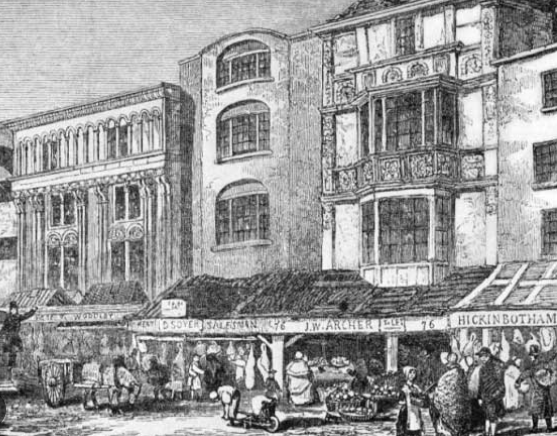
Charles Dickens is renowned for his vivid portrayal of urban life in Victorian London. Through his novels, he captures the struggles and triumphs of the city’s inhabitants, painting a rich tapestry of social issues, class struggles, and everyday experiences that resonate to this day. In this blog post, we will explore the key aspects of urban life as depicted in Dickens’s works.
1. The Harsh Realities of Poverty
In novels like “Oliver Twist” and “Bleak House,” Dickens highlights the grim reality of poverty that afflicts the lower classes. Characters are often depicted living in squalor, struggling for survival, and facing the ever-present threat of workhouses and crime. Dickens uses his literary talents to evoke sympathy for the downtrodden, and through their stories, he critiques societal indifference toward the impoverished.
For example, in “Oliver Twist,” the orphaned Oliver is thrust into a world filled with neglect and hardship from a young age. His journey illustrates the lack of social safety nets and the harsh judgments placed on those who fall victim to circumstances beyond their control. The portrayal of poverty in Dickens’s London serves as a powerful reminder of the systemic issues still prevalent in modern society.
-
- Recognize signs of poverty in literary characters.
-
- Consider the historical context influencing these depictions.
-
- Reflect on how poverty is addressed in today’s media.
-
- Engage with community efforts to alleviate poverty in your locale.
2. The Impact of Industrialization
Industrialization deeply transformed London in the 19th century, and Dickens was acutely aware of its ramifications. His works often portray the bustling factories, pollution, and work conditions that characterized this era. In “Hard Times,” for instance, Dickens critiques the dehumanization brought by mechanized labor, showcasing the struggles of factory workers who are crushed under the weight of a profit-driven society.
Moreover, Dickens describes the physical landscape of London as rapidly changing, filled with smoke and soot from the newly built factories. The stark contrast between the opulent neighborhoods of the wealthy and the dilapidated areas where the working class lived highlights the growing social divide. This geographic and social stratification is a recurring theme in many of his novels, urging readers to consider the long-term effects of unbridled industrial growth.
-
- Recognize how industrialization affects character development.
-
- Explore the relationship between environment and social class.
-
- Consider the implications of technology on human life.
-
- Discuss industrialization’s legacy in today’s urban landscapes.
3. Community and Social Connections
Despite the stark realities of urban life, Dickens often reveals the warmth and resilience found within communities. Through friendships and solidarity, characters find ways to navigate the challenges of their environment. In “Little Dorrit,” for instance, the titular character embodies the spirit of support and kinship, showing that even amidst despair, there is hope in human connections.
Dickens illustrates that the city, though vast and impersonal, can also be a space where relationships flourish. Various characters from different backgrounds come together, forming unexpected alliances. This interplay not only adds depth to his narratives but also underscores the importance of community in overcoming adversity. The bond between characters often serves as a critique of the social structure, spotlighting compassion in a harsh world.
-
- Examine how community shapes character interactions.
-
- Identify examples of support systems within the novels.
-
- Consider the importance of relationships in your own life.
-
- Engage with local community initiatives to foster connections.
4. Class Division and Social Commentary
One of the most striking aspects of Dickens’s portrayal of London is the vast chasm between the rich and the poor. Novels like “A Tale of Two Cities” contrast the lives of aristocrats with the struggles of common people during the French Revolution and its reflection in England. Dickens uses these contradictions to comment on the injustices he sees in his society, urging readers to challenge the status quo.
Through vivid imagery and poignant characters, Dickens invites readers to consider the moral implications of wealth accumulation and social stratification. His characters often navigate a world where wealth determines value, leading to ethical dilemmas and profound consequences. By showcasing personal stories set against the backdrop of class struggle, Dickens provokes thought about social responsibility and justice.
-
- Study character arcs in relation to their social class.
-
- Debate the ethical implications of wealth and poverty.
-
- Explore contemporary class issues in modern society.
-
- Engage in conversations about social justice in your community.
In conclusion, Charles Dickens’s exploration of urban life in his novels offers a nuanced perspective on the complexities of Victorian London. By engaging with his themes of poverty, industrialization, community, and class division, readers can gain valuable insights into both the past and the present. Consider diving deeper into Dickens’s works to discover the richness of his storytelling and its relevance today.