
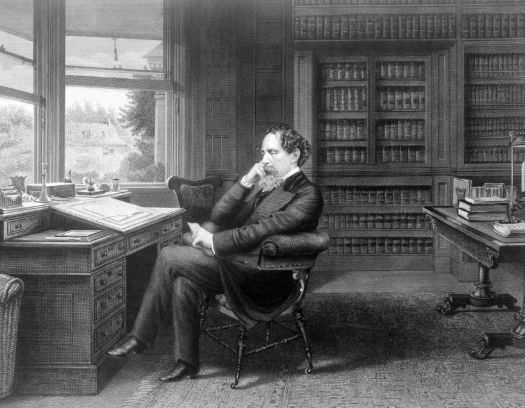
Charles Dickens remains one of the most significant figures in English literature, especially for his portrayal of the struggles faced by the working class during the Victorian era. Through his novels, Dickens provided a vivid perspective on social injustices, poverty, and the exploitation of labor, shedding light on the harsh realities that many faced in industrial England.
1. The Reality of Workhouse Life
Workhouses were institutions designed to house the poor and the unemployed, often under brutal conditions. In “Oliver Twist,” Dickens illustrates this grim reality through the experiences of young Oliver, who famously asks for more gruel. The workhouses were characterized by overcrowding, harsh discipline, and inadequate provisions, leaving many residents feeling desperate and dehumanized. Dickens shines a light on the inhumanity of the Poor Law, which forced families to separate in order to receive any aid, effectively punishing the vulnerable.
The narrative of “Oliver Twist” provides a critique of the prevailing attitudes towards the poor, suggesting that society often regarded them as burdens rather than individuals deserving of compassion. Dickens’ descriptive storytelling encourages readers to empathize with the characters and understand their plight. By bringing attention to this issue, he prompted discussions about reform and the necessity of improving living conditions for the impoverished.
-
- Research workhouse conditions in Victorian England.
-
- Discuss with others how public perception of poverty has changed over time.
-
- Explore local programs aimed at helping those in need.
-
- Consider volunteering for organizations that assist low-income families.
-
- Read “Oliver Twist” and reflect on the social issues it presents.
2. Child Labor and Abuse
In “David Copperfield,” Dickens explores the grim realities of child labor, a common occurrence in the industrial sectors of the 19th century. Many children were forced to work long hours in hazardous conditions, often for little pay. Dickens’ depiction of young characters, like David and others, serves as a reflection of a system that valued profit over the well-being of its youngest citizens. The societal normalization of child labor led to severe physical and emotional scars for those involved.
Moreover, Dickens discusses the issue of educational neglect, as many child workers were unable to attend school, perpetuating the cycle of poverty. He effectively uses his characters to show the loss of innocence and the irrevocable impact of childhood experiences on adult life. Dickens’ call for societal change resonates in discussions about the importance of child welfare and education, making his messages relevant even in today’s context.
-
- Advocate for living wages to ensure families can afford necessities.
-
- Get involved in campaigns aimed at child protection and education.
-
- Engage in discussions about child labor laws today.
-
- Support organizations that fight against child exploitation.
-
- Reflect on the impacts of childhood experiences on your life.
3. The Middle Class and Philanthropy
While Dickens often focused on the struggles of the working class, he also explored the role of the emerging middle class in Victorian society. In “A Christmas Carol,” Ebenezer Scrooge’s transformation symbolizes the potential for individuals to change and take responsibility for the welfare of others. The character represents the wealthy who often turned a blind eye to the poor, highlighting a wider societal issue where capitalism overshadowed kindness.
Through Scrooge’s journey, Dickens emphasizes the importance of compassion, urging the middle class to help uplift the working class rather than ignore their plight. The story encourages philanthropic actions, reminding readers that even small gestures can lead to significant changes in someone else’s life. This narrative inspires dialogues around the responsibilities that come with wealth and the importance of social investment.
-
- Encourage donations to local charities that support the needy.
-
- Consider mentoring programs for those from disadvantaged backgrounds.
-
- Promote awareness about poverty-related issues within your community.
-
- Participate in community service events to make direct impacts.
-
- Engage with local businesses on corporate social responsibility efforts.
4. The Need for Reform
One of Dickens’ critical messages is the urgent need for social reform. Many of his characters serve as archetypes of the systemic failures at play, from corrupt officials to greedy employers. Through works like “Hard Times,” he illustrates the dehumanizing effects of industrialization and advocates for policies that improve working conditions, labor rights, and education access. Dickens believed deeply in the power of literature to inspire change, pushing for an active, engaged society that holds its leaders accountable.
The impact of Dickens’ writings can still be felt today. He not only encouraged reformers of his time but also instilled a sense of obligation in future generations to continue advocating for justice. By emphasizing the collective responsibility of society, Dickens remains an enduring voice in discussions surrounding equity and human rights today.
-
- Stay informed about local and national issues affecting the working class.
-
- Support movements that advocate for labor rights.
-
- Participate in community discussions about social policies.
-
- Contact your representatives to express concerns about local labor practices.
-
- Educate others on the importance of voting for policies that favor social equity.
In conclusion, the works of Charles Dickens offer invaluable insights into the struggles of the working class and the societal structures that perpetuate injustice. By studying his texts and advocating for change, we can contribute to a more equitable future for all. Take the time to reflect on these issues and consider how you can make a difference in your community.