
Charles Dickens, one of the most celebrated authors of the Victorian era, is renowned not just for his memorable characters and intricate plots, but also for the rich and evocative settings in which his stories unfold. The importance of setting in Dickens’s works cannot be overstated, as it serves to enhance the narrative, reflect societal issues, and deepen character development.
1. The Role of Victorian Society in Shaping Settings
In many of Dickens’s novels, the setting plays a crucial role in portraying the complexities of Victorian society. Locations such as the grim, foggy streets of London in “Bleak House” and the contrasting elegance of the upper-class homes highlight the stark social divides of the time. These settings are not mere backdrops; they are reflections of the societal norms that influence the characters’ actions and fates, offering readers insight into the harsh realities faced by the underprivileged.
Take “Oliver Twist,” for instance. The dilapidated workhouses and dark alleyways convey the desperation and suffering of the poor. Each setting amplifies the emotional weight of Oliver’s struggles as he navigates a world filled with injustice. Dickens’s vivid descriptions transport readers to these locations, making the gothic nature of the Victorian landscape palpable.
-
- Consider how each character’s surroundings influence their behavior.
-
- Reflect on the socio-economic implications of the settings described.
-
- Identify key locations in your favorite Dickens novel that evoke strong emotions.
-
- Think about how modern settings could parallel Dickens’s observations of society.
2. Setting as a Character in Dickens’s Narratives
Another fascinating aspect of Dickens’s use of setting is how he imbues certain locations with character-like qualities. In “A Christmas Carol,” for example, the contrast between Scrooge’s cold, dark office and the warm, welcoming atmosphere of the Cratchit home is telling of the themes of redemption and compassion. The settings themselves evolve with the narrative, mirroring Scrooge’s transformation as he learns to embrace generosity and kindness.
Moreover, in “Great Expectations,” the decaying Satis House stands as a notable symbol of Miss Havisham’s frozen time and lost dreams. Its eerie, darkened corridors represent her psychological state, illustrating how intricately Dickens weaves setting into character development. In this way, the physical environments enhance our understanding of the characters’ inner lives and conflicts.
-
- Analyze how a specific setting transitions throughout the story.
-
- Examine the emotional connections characters have with their settings.
-
- Consider the ways in which settings reflect character arcs.
-
- Explore how physical spaces can symbolize broader themes in the narrative.
3. The Impact of Natural Settings on Mood and Tone
The natural settings in Dickens’s works also significantly contribute to the overall mood and tone of the narratives. Take “David Copperfield,” where the pastoral scenes and descriptions of the English countryside provide a stark contrast to the tumultuous events in David’s life. The natural beauty serves as a counterbalance to the struggles he faces, offering a sense of hope and renewal.
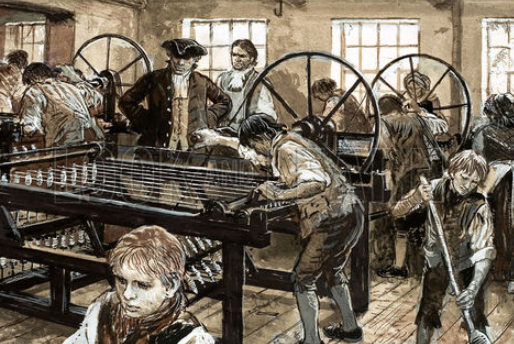
Similarly, in “Hard Times,” the industrial backdrop of Coketown underscores the bleakness and oppression felt by its inhabitants. The soot-laden skies and monotonous factories symbolize the dehumanization brought about by rapid industrialization, reflecting Dickens’s critique of the Industrial Revolution’s impact on society. Each natural element captures the emotional landscape of the characters, reinforcing the themes Dickens sought to convey.
-
- Contemplate how natural elements affect character emotions.
-
- Identify instances where the weather reflects the story’s mood.
-
- Analyze contrast between natural and urban settings in the narrative.
-
- Think about how Dickens uses seasons to symbolize life events.
In conclusion, setting in Dickens’s works acts as a multifaceted tool that shapes character development, mirrors societal issues, and influences mood. Understanding the significance of these settings not only enriches the reading experience but also provides valuable insights into the human condition. As you explore Dickens’s novels, take time to reflect on how these settings resonate with your own life and the society around you.