
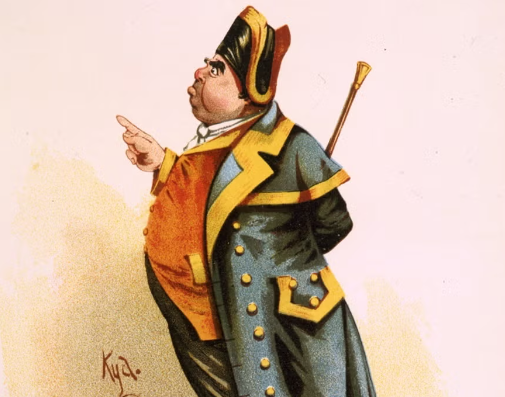
Charles Dickens, an iconic figure in English literature, is known for his vivid and complex characters. Each character reflects a unique facet of Victorian society, inviting readers into a world filled with struggle, hope, and humanity.
1. Ebenezer Scrooge
Ebenezer Scrooge, the miserly protagonist of “A Christmas Carol,” arguably stands as one of Dickens’s most famous characters. Initially depicted as a cold-hearted businessman, Scrooge transforms after encountering the ghosts of Christmas Past, Present, and Yet to Come. This metamorphosis serves as a powerful narrative about redemption, emphasizing the notion that it’s never too late to change one’s ways.
Readers can deeply identify with Scrooge’s fear of vulnerability and his eventual embrace of kindness. He evolves from a character who shuns joy and community to one who celebrates the true spirit of Christmas. Dickens masterfully employs Scrooge’s journey to highlight broader themes of generosity and social responsibility.
-
- Reflect on your own life: Are there areas where you can be more generous?
-
- Consider ways to engage in community service, especially during the holiday season.
-
- Foster relationships with friends and family that can bring joy into your life.
-
- Challenge the notion of time: What changes can you embrace this year?
2. Oliver Twist
Oliver Twist, the title character of Dickens’s second novel, presents a harrowing tale of innocence lost within a brutal society. Orphaned and abused, Oliver’s story sheds light on the orphan experience during the Victorian era. The novel explores themes such as child labor and the stark class divide that plagued society, making Oliver not just a character, but a symbol of resilience and hope for many who faced societal neglect.
As Oliver navigates through the underbelly of London, his encounters with criminals and misanthropes expose the darker side of human nature. Despite this, his unwavering goodness makes him a beacon of light in a bleak world. The story encourages readers to advocate for change and reflect on social injustices, reminding us that even the smallest voice can make a difference.
-
- Educate yourself on current social issues affecting children today.
-
- Support local charities and organizations that work with underprivileged youth.
-
- Volunteer your time to help others in need, fostering a sense of community.
-
- Spread awareness about the importance of protecting vulnerable populations.
3. Miss Havisham
A haunting presence in “Great Expectations,” Miss Havisham is depicted as a tragic figure consumed by grief and obsession. After being jilted at the altar, she becomes a recluse, living in her decaying mansion, forever surrounded by the remnants of her wedding day. This striking imagery serves as a metaphor for the danger of dwelling too long in past traumas, stunting personal growth and happiness.
Miss Havisham’s complex character raises questions about love, revenge, and the impact of unhealed wounds. Through her actions and motivations, Dickens explores the darker sides of obsession and envy, showing how they can warp a person’s life if left unchecked. Her story encourages readers to reflect on their own emotional health and the importance of moving forward.
-
- Identify any past grievances that may be holding you back; seek closure.
-
- Pursue therapy or counseling to help work through deep emotional issues.
-
- Engage in activities that promote healing and personal growth.
-
- Practice forgiveness—not only towards others but also towards yourself.
4. Pip
Pip, the protagonist in “Great Expectations,” serves not just as a narrator but as a representation of social mobility and personal transformation. Starting from humble beginnings, Pip’s journey takes him from the marshes of Kent to the bustling streets of London as he strives to become a gentleman. His experiences illuminate the complex relationship between class, identity, and aspiration.
Pip’s character development resonates with anyone who has grappled with self-identity and societal expectations. Throughout the narrative, he learns hard lessons about the true nature of wealth and relationships. This exploration of personal ambition, love, and societal perception makes Pip’s journey a timeless one, inviting readers to reflect on their own dreams and ethical choices.
-
- Define your own goals and values—what do you truly desire in life?
-
- Constantly evaluate the influences around you, assessing whether they align with your true self.
-
- Seek mentorship or guidance from those who have achieved similar aspirations.
-
- Take time for self-reflection: Are you living up to your own expectations?
Charles Dickens’s characters are richly layered, offering insights into the complexities of human emotion and societal structures. Whether it’s through the transformation of Scrooge or the innocence of Oliver, each character presents unique lessons that resonate across generations. Consider exploring these narratives to deepen your understanding and perhaps find inspiration in your own life.