
Charles Dickens is one of the most celebrated authors in English literature, renowned for his vivid storytelling and complex characters. However, what truly sets his works apart is the social vision embedded within them. Dickens not only entertained his readers but also aimed to shed light on societal issues that plagued his time, making a compelling case for social reform.
1. The Plight of the Poor
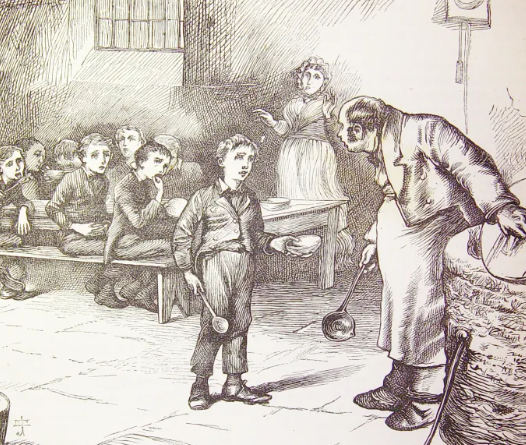
One of the most evident themes in Dickens’s works is his deep concern for the plight of the poor. In novels such as “Oliver Twist,” he illustrates the dire circumstances faced by the underprivileged in Victorian England. Oliver’s journey through orphanage life and eventual encounters with crime serve to highlight the neglect and abuse of vulnerable populations, sparking conversations around child labor and poverty.
Moreover, Dickens was keen on portraying the stark realities of poverty through rich narratives and memorable characters. By focusing on individuals like Scrooge in “A Christmas Carol,” he showcased the potential for redemption and the impact of societal attitudes toward wealth and generosity. These stories resonated with audiences and encouraged empathy and understanding for those who were less fortunate.
-
- Read “Oliver Twist” to grasp the impact of child labor.
-
- Analyze how Dickens portrays social classes in his novels.
-
- Reflect on characters who symbolize poverty and desperation.
-
- Engage in discussions about modern poverty inspired by Dickens’s themes.
2. Critique of Industrialization
Dickens also critiques the rapid industrialization and urbanization that characterized 19th-century England. In “Hard Times,” he paints a grim picture of a world consumed by capitalism where human values are compromised for economic gain. The struggles of the factory workers in Coketown serve as a cautionary tale about the costs of industrial progress, igniting debates about labor rights and workers’ conditions.
Furthermore, Dickens masterfully illustrates the alienation and despair that the working class faced in industrial cities. The dreary landscape of Coketown, filled with smoke and machinery, symbolizes the loss of individuality and community. By dissecting these themes, Dickens invites readers to reconsider the balance between progress and humanity, urging societal change to prioritize the welfare of its citizens.
-
- Examine “Hard Times” for an in-depth critique of industrialization.
-
- Discuss the effects of capitalism as seen in the lives of Dickens’s characters.
-
- Explore the juxtaposition of urban life versus rural existence in his works.
-
- Advocate for worker rights and initiatives inspired by Dickens’s insights.
3. Social Reform and Personal Responsibility
Through his literature, Dickens called for social reform while emphasizing personal responsibility. He believed that individuals, especially those in positions of power, must act to improve societal conditions. In “A Christmas Carol,” Ebenezer Scrooge transforms from a miser into a philanthropist, showcasing the profound impact of personal choices on the community’s wellbeing.
This transformation echoes Dickens’s belief that change begins with individual actions. Scrooge’s journey encourages readers to reflect on their roles in society, urging them to contribute positively and support those in need. Dickens’s message is clear: while societal systems may impose oppression, the choices made by individuals can incite significant change, fostering a culture of empathy and responsibility.
-
- Reflect on personal contributions to society and assist those in need.
-
- Host community discussions inspired by “A Christmas Carol.”
-
- Promote philanthropy and involvement in local charities.
-
- Encourage others to examine their social responsibilities.
In conclusion, Charles Dickens’s works are not merely stories; they are social commentaries that urge readers to confront and address societal issues. By exploring themes of poverty, industrialization, and personal responsibility, Dickens invites each of us to become advocates for social justice and change. Consider starting your journey by engaging with his texts and reflecting on the issues presented within them.