
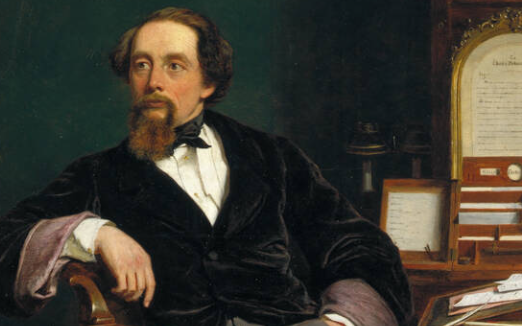
Charles Dickens is often regarded as one of the most quintessential authors of the Victorian era, and his works have left an indelible mark on the landscape of English literature. His ability to weave social commentary with engaging narratives makes him a pivotal figure for anyone interested in the Victorian novel.
1. The Life of Charles Dickens
Born on February 7, 1812, in Portsmouth, England, Dickens experienced a tumultuous childhood that would heavily influence his literary themes. After his father’s imprisonment for debt, Dickens had to leave school at a young age to work in a factory, an experience that instilled a profound concern for societal injustice and the struggles of the working class. These formative years fueled his passion for storytelling, leading him to publish his first novel, “The Pickwick Papers,” in 1836.
Throughout his life, Dickens maintained a keen interest in social issues, particularly those concerning the poor and marginalized. His novels often reflect the stark realities of Victorian society, exhibiting both empathy for the downtrodden and criticism of the upper classes. Notable works like “Oliver Twist” and “David Copperfield” highlight the harsh conditions faced by children and the complexities of growing up in a society rife with inequality.
-
- Research the socio-economic conditions of Victorian England.
-
- Consider reading Dickens’ lesser-known works for a broader perspective.
-
- Look for connections between Dickens’ life experiences and his characters.
-
- Explore the historical context in which Dickens wrote his novels.
2. Key Themes in Dickens’ Novels
One of the most prominent themes in Dickens’ work is social reform. He often used his novels to critique the class distinctions of Victorian society and advocate for societal change. For example, “Bleak House” addresses the complexities and inefficiencies of the legal system, exposing the dire consequences for the poor who cannot afford legal representation. Such themes resonated with readers at the time, spurring discussions about reform and the human condition.
Family and relationships are also central to Dickens’ narratives, often highlighting the bonds of kinship and the conflicts that arise within families. In “Great Expectations,” the relationship between Pip and his benefactor, Miss Havisham, showcases not only the complexities of love and betrayal but also personal growth and self-discovery. These intricate dynamics add depth to his characters and provide a rich ground for readers to explore human emotions.
-
- Identify recurring themes across different novels.
-
- Reflect on how Dickens develops character relationships.
-
- Analyze how Dickens addresses social issues relevant to his time.
-
- Discuss the moral lessons embedded in the stories.
3. The Impact of Dickens on Modern Literature
Charles Dickens’ influence on modern literature cannot be overstated. His unique storytelling style and memorable characters paved the way for future generations of writers. Novels that delve into social issues, such as those by contemporary authors like Zadie Smith and Jonathan Franzen, often draw inspiration from Dickens’ blend of humor and pathos. His pioneering serialization format also set a precedent for how novels are consumed today.
Additionally, his meticulous attention to detail brings the settings of his narratives to life, making them nearly characters in their own right. The fog-filled streets of London, depicted in “A Christmas Carol,” serve as a backdrop for emotional redemption and offer a vivid sense of place that continues to captivate readers. This mastery of setting, combined with rich character development, exemplifies a literary artistry that remains influential in modern fiction.
-
- Read contemporary novels that cite Dickens as an influence.
-
- Explore adaptations of his work in film and theatre.
-
- Consider how Dickens’ themes are relevant in today’s society.
-
- Engage in discussions about his impact on literary form and structure.
In conclusion, Charles Dickens stands as a towering figure in the realm of Victorian literature. His ability to address social issues with compelling narratives continues to resonate in today’s world. As you explore Dickens’ novels, consider how they can inform your understanding of both literature and social justice.