
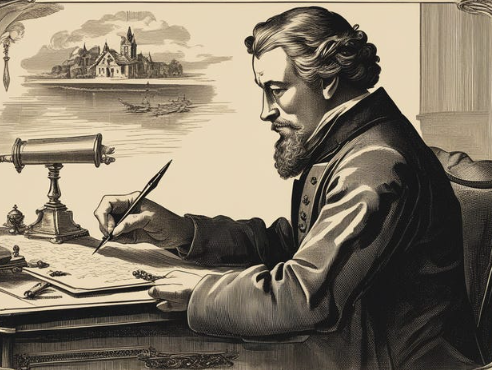
Charles Dickens is a towering figure in English literature, known for his vivid characters and intricate plots. For beginners, diving into his works may seem daunting due to his unique style and the historical contexts of his novels. This guide will help you navigate the waters of Dickensian literature.
1. Understanding Dickens’ Context
Before delving into Dickens’ novels, it’s vital to understand the world he was writing about. Dickens lived during the Victorian era, a period marked by rapid industrialization, social change, and stark class divisions. Many of his works mirror these themes, providing insight into societal issues such as poverty, child labor, and the struggles of the working class. With this background, you can appreciate the depth behind Dickens’ storytelling.
For instance, in “Oliver Twist,” Dickens tackles the harsh realities of orphanhood and the plight of the poor. Recognizing the historical and social contexts in which Dickens wrote will enhance your reading experience and allow you to engage more meaningfully with his characters and plots.
-
- Research the Victorian era and its social conditions.
-
- Read summaries of Dickens’ major themes.
-
- Explore biographies that provide insights into Dickens’ life.
-
- Watch documentaries or films based on his works for visual context.
2. Choosing the Right Dickens Novel
Choosing your first Dickens novel is crucial. Although “A Tale of Two Cities” and “Great Expectations” are often heralded as favorites, they each come with their own challenges and complexities. If you’re new to Dickens, starting with a shorter work like “A Christmas Carol” may be beneficial. This allows you to grasp his narrative style without feeling overwhelmed.
Additionally, consider your personal interests when selecting a book. If you’re fascinated by social reform, “Oliver Twist” provides a poignant look at societal issues. On the other hand, “David Copperfield,” often seen as a semi-autobiographical work, offers deep emotional resonance that many readers find relatable.
-
- Start with shorter novels or novellas.
-
- Choose based on themes that interest you, such as social justice or personal growth.
-
- Check reader reviews to gauge difficulty levels.
-
- Consider reading adaptations first if you’re unfamiliar with Dickens’ style.
3. The Art of Engaging with Dickens’ Language
One of the defining features of Dickens’ works is his rich, descriptive language and intricate sentence structures. While this can be beautiful, it may also pose a challenge for contemporary readers. To effectively engage with Dickens, don’t hesitate to take your time. Reread sentences or passages that are particularly complex; doing so offers deeper insights into his literary genius.
Moreover, Dickens often employs humor and vivid imagery, so look for these elements as you read. A good practice is to keep a notebook to jot down phrases or sections that resonate with you, alongside your interpretations of their meanings. This can help enhance your understanding and enjoyment of his writing.
-
- Read slowly and savor the language.
-
- Highlight or annotate passages that strike you.
-
- Discuss interpretations with friends or fellow readers to enrich your understanding.
-
- Use a dictionary or online resource to understand unfamiliar words or phrases.
4. Embracing the Characters and Plots
Dickens’ novels are populated with a diverse cast of characters, each crafted with intricacies that often reflect real societal issues. Characters like Scrooge from “A Christmas Carol” or Pip from “Great Expectations” exhibit profound personal transformations that can evoke both empathy and reflection. As you read, take notes on the character arcs and their connections to the broader themes of the novels.
Pay attention to the relationships between characters as well; Dickens often explores themes of good vs. evil, social status, and moral dilemmas through interpersonal dynamics. Engaging with these character-driven narratives can lead to a richer understanding of the overarching messages embedded in his works.
-
- Outline character traits and transformations as you read.
-
- Discuss character motivations and relationships with others.
-
- Consider how the characters’ lives reflect social realities.
-
- Engage in online forums or book clubs to share your thoughts.
5. Utilizing Resources to Enhance Your Experience
There are numerous resources available to help you get the most out of your Dickens reading experience. Consider reading companion guides or supplementary materials that provide analysis, character maps, and summaries. These resources can help you clarify complex themes and enhance your understanding.
Additionally, audiobooks can be a fantastic way to absorb Dickens’ works, especially considering his knack for lively dialogue. Listening to different readers can also offer new interpretations of familiar passages. Engaging with visual adaptations, like films or miniseries, can also illuminate elements that may not initially be apparent in text.
-
- Look for companion guides specifically about the novel you’re reading.
-
- Try audiobooks to experience the rhythm of the language.
-
- Watch film adaptations to visualize and contextualize the story.
-
- Join book clubs focused on Dickens to engage with other readers.
Diving into Dickens can open doors to a vibrant world of English literature rich with social commentary and masterful storytelling. By understanding his context, choosing the right book, engaging with the language, exploring characters, and utilizing available resources, you can enhance your reading experience. So grab a novel, and immerse yourself in the intricate narratives of one of literature’s greatest storytellers!