
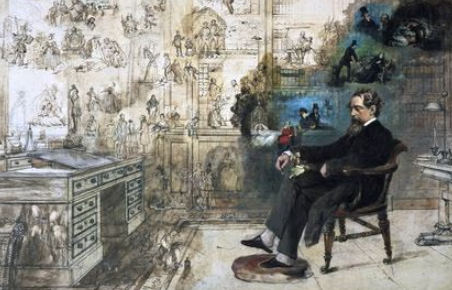
Charles Dickens, one of the most famous novelists of the Victorian era, explored a range of themes that continue to resonate today. His narratives are rich tapestries woven with intricate characters, societal observations, and moral reflections. Understanding the essential themes in Dickens’s novels can provide a deeper appreciation for his works and their critiques of society.
1. Social Injustice and Class Disparity
One of the most persistent themes in Dickens’s novels is social injustice, particularly concerning class disparity. Dickens often wrote during a time when industrialization was transforming society, uplifting some while leaving others in poverty. In works like “Oliver Twist,” we see the harrowing realities faced by the impoverished, showcasing the lack of social support and the cruelty of the workhouse system. Through characters like Oliver and the Artful Dodger, Dickens emphasizes that a person’s environment heavily contributes to their fate.
Another powerful example can be found in “Hard Times,” where Dickens critiques the utilitarian philosophy that prioritizes industrial efficiency over human feelings. The character of Stephen Blackpool illustrates the plight of the working class, showcasing the hopelessness that comes with being trapped in a rigid social structure. Dickens’s deep empathy for his characters highlights the urgent need for reform in a society plagued by inequality.
-
- Reflect on the characters’ journeys and their societal circumstances.
-
- Consider how current social issues may parallel those in Dickens’s works.
-
- Engage with discussions about class disparity today.
-
- Investigate local organizations addressing social justice.
2. The Importance of Family and Friendship
Family and friendship serve as critical motifs in Dickens’s storytelling. He often contrasts familial warmth and companionship with the loneliness fostered by societal pressures. In “David Copperfield,” we witness the importance of supportive relationships as David navigates personal hardships, showcasing how love and friendship can provide solace amid challenges. The nurturing relationships in Dickens’s novels often stand in stark contrast to the more dysfunctional family structures that he critiques.
Furthermore, the bonds formed through friendship often illuminate moral truths. In “Great Expectations,” Pip’s relationships with characters like Joe Gargery and Herbert Pocket reveal different facets of loyalty, betrayal, and personal growth. Their interactions underline the idea that true connections can guide individuals toward self-discovery and ethical living, regardless of social class or personal ambitions.
-
- Identify key relationships that shape character development in Dickens’s works.
-
- Examine how friendships in the stories provide critical support.
-
- Reflect on your own relationships and their impact on your life.
-
- Engage in conversations about the value of authentic friendships.
3. Redemption and Transformation
The theme of redemption is intrinsically linked to many of Dickens’s characters, who often undergo significant transformations throughout their narratives. Characters such as Ebenezer Scrooge in “A Christmas Carol” showcase the possibility of change. Scrooge’s journey from a miserly curmudgeon to a generous benefactor illustrates the profound impact of self-reflection and personal growth. Dickens believed that it is never too late to amend one’s ways, emphasizing the moral potential within all individuals.
Similarly, in “A Tale of Two Cities,” Sydney Carton’s sacrifice for the sake of others serves as a powerful statement on the theme of redemption. His character arc illustrates that even the most flawed individuals can seek and find redemption through acts of selflessness. Such transformations not only affect the individual but also create ripples of positive change in the lives of others.
-
- Consider how characters evolve and what prompts their changes.
-
- Reflect on personal experiences that echo themes of redemption.
-
- Discuss how redemption can be a theme in your own life.
-
- Consider literature or examples from real life that exemplify transformation.
4. The Role of Fate and Free Will
Another recurring theme in Dickens’s novels is the tension between fate and free will. Many of his characters grapple with the circumstances they are born into and the choices they make throughout their lives. This concept is evident in “Great Expectations,” where Pip’s rise and fall highlight the interplay between destiny and the agency of personal choice. Pip believes he can change his future through social mobility, yet repeatedly discovers how his past and choices shape his life’s path.
In “Our Mutual Friend,” Dickens explores the complexities of fate and identity through the character of John Harmon, whose inheritance and circumstances are predetermined but still allow for personal choice and moral decision-making. Dickens adeptly illustrates that while fate imposes limitations, individuals still possess the power of choice in how to respond to their situations.
-
- Analyze how characters’ choices influence their fates.
-
- Reflect on instances in your own life where you faced similar dilemmas.
-
- Engage in discussions on the nature of free will versus fate.
-
- Explore philosophical concepts surrounding destiny in literature.
In summary, the essential themes in Dickens’s novels, such as social injustice, familial bonds, redemption, and the tension between fate and free will, are not only timeless but also profoundly relevant today. By exploring these themes, readers can gain deeper insights into both Dickens’s world and their own. Consider revisiting your favorite Dickens novel or exploring a new one, and reflect on how these themes resonate in your life or in society today.