
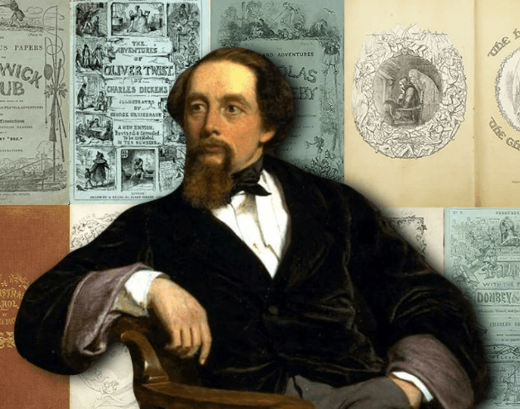
Charles Dickens, one of the most celebrated authors of the Victorian era, created a vivid world filled with complex characters and compelling narratives. His detailed depictions of life in 19th century England not only entertain but also provide a critical look at society’s most pressing issues.
In this blog post, we will delve into the fascinating themes and characters of Dickens’s fiction, offering insights that can enrich your understanding and appreciation of his work.
1. The Struggle Against Poverty
One of the central themes in Dickens’s work is poverty and its ramifications. In novels like “Oliver Twist” and “David Copperfield,” Dickens illustrates the harsh realities faced by the poor in Victorian England. These tales are not just stories of hardship; they also highlight the resilience and spirit of the characters as they navigate through life’s challenges.
For instance, Oliver’s journey from an orphaned boy to a hopeful young man serves as a stark portrayal of how society often neglects those in need. Dickens drew from his own experiences growing up in a poor family, which makes the depictions all the more authentic and powerful.
-
- Read “Oliver Twist” to experience the struggles of poverty first-hand.
-
- Reflect on how society can change to better support the less fortunate.
-
- Consider the modern parallels of Dickens’s views on poverty.
-
- Explore community service opportunities in your area.
2. The Importance of Social Reform
Social reform is another significant theme in Dickens’s work. He was not just a storyteller but also a passionate advocate for change, urging readers to recognize injustices within their society. In “Hard Times,” for example, Dickens critiques the industrialization of England and the dehumanizing effects it had on workers.
Through his characters and plots, he calls for compassion and a more humane approach to societal issues. His vivid storytelling often prompts readers to reflect on their own responsibilities toward social justice, illustrating that literature can be a catalyst for change.
-
- Identify social issues today that resonate with Dickens’s themes.
-
- Engage in discussions about social reform with peers.
-
- Participate in community initiatives aimed at driving social change.
-
- Read “Hard Times” to better understand the industrial landscape Dickens critiques.
3. The Complexity of Characterization
Dickens is renowned for his vividly drawn characters, each with their own complexities and contradictions. From the benevolent Oliver Twist to the sinister Ebenezer Scrooge in “A Christmas Carol,” Dickens presents characters that reflect the dualities of human nature.
His use of complex characters allows readers to explore various moral dilemmas, making each story an emotional and intellectual journey. By examining these characters closely, readers can gain insights into their motivations, fears, and ultimately, their humanity.
-
- Analyze your favorite Dickens character’s motivations.
-
- Compare and contrast the morals of two or more characters.
-
- Consider how Dickens’s characters reflect societal issues of the time.
-
- Write a character sketch of your favorite figure from his works.
4. The Role of Humor and Satire
Though Dickens often tackled serious subjects, he infused his narratives with humor and satire. This blend offers a unique reading experience, providing moments of levity amid the drama. In works like “The Pickwick Papers,” Dickens showcases his comedic talents while still critiquing social norms.
The use of humor serves not only to entertain but also to underscore the absurdities of societal expectations and behaviors. It encourages readers to laugh at their own flaws and those of society, highlighting the importance of humor in critiquing life.
-
- Read passages where Dickens employs humor; consider their impact.
-
- Recognize how laughter can be a powerful tool for change.
-
- Discuss a humorous scene with friends and its deeper meaning.
-
- Explore how humor is used in modern literature as a critique.
5. The Enduring Legacy of Dickens
Today, Dickens’s impact is still felt in literature, film, and social discussions. His themes remain relevant, tackling issues such as inequality, injustice, and the human condition. Adaptations of his works continue to bring his characters and their struggles to new audiences, introducing his profound insights to future generations.
Being widely studied in schools and universities, Dickens’s works remain essential reading for anyone looking to understand the human experience. His novels offer timeless lessons, making them eternally significant in literary canon and social discourse.
-
- Explore adaptations of Dickens’s novels in film and theater.
-
- Join a book club to discuss Dickens’s works with others.
-
- Keep up with modern interpretations of Dickens’s stories.
-
- Engage with contemporary social issues that resonate with his themes.
In conclusion, exploring the world of Dickens’s fiction opens up a rich landscape of themes, characters, and societal critiques. Each story encourages reflection on our own lives and the world around us. Whether you are a long-time fan or new to Dickens, take the time to appreciate his work and discover the timeless messages woven throughout.