
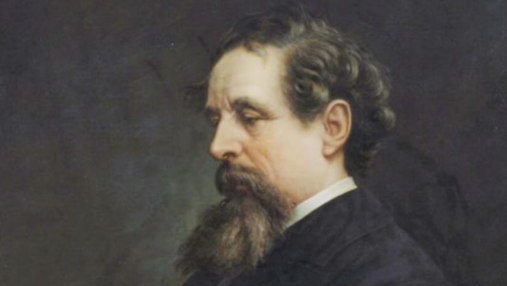
Charles Dickens is one of the most celebrated authors in English literature, and his influence extends far beyond the pages of his novels. His works resonate with modern audiences for their exploration of social issues, compelling characters, and rich storytelling. In a world that continues to grapple with economic inequality and complex human relationships, Dickens’ voice is as relevant today as it was in the 19th century.
1. Social Inequality and Justice
One of the central themes in Dickens’ work is social inequality. In novels such as “Oliver Twist” and “Hard Times,” he shines a light on the plight of the poor during the Victorian era. Dickens’ insightful portrayals of character suffering draw attention to issues of poverty, child labor, and class disparity, prompting readers to reflect on the injustices faced by the vulnerable members of society. Today, these themes are mirrored in contemporary social issues, making his work poignant and instructional.
For example, Dickens’ portrayal of Scrooge in “A Christmas Carol” signals a call to action for social responsibility and compassion. This not only reminds readers to be aware of their social surroundings but also encourages them to contribute to social betterment. Communities today still benefit from Dickens’ exploration of empathy, urging readers to engage with social justice movements and address inequality in their own lives.
-
- Read “A Christmas Carol” and reflect on its themes of generosity and redemption.
-
- Engage with local social justice initiatives to help those in need.
-
- Discuss Dickens’ work with peers to understand its relevance today.
-
- Follow current events related to economic inequality to see how they relate to Dickens’ commentary.
2. Complex Characters and Human Emotion
Another reason why Dickens remains significant is his remarkable skill in creating complex characters who evoke deep emotions. From the innocent yet abused Oliver Twist to the tragic yet resilient Miss Havisham in “Great Expectations,” Dickens crafts characters that are multi-dimensional and relatable. These enduring figures escape the confines of their time and imbue their narratives with a human touch that continues to resonate with readers today.
This emotional depth encourages readers to engage with their own feelings and those of others. By illustrating the human condition through his characters’ triumphs and trials, Dickens invites us to reflect on our own struggles and relationships. When readers confront these emotions, they gain tools for empathy, which is crucial in fostering understanding in our often divided world.
-
- Identify the flaws and strengths of Dickens’ characters to better understand human nature.
-
- Share your interpretations of characters with friends or in book clubs.
-
- Write journal entries exploring your emotional responses to various characters and their journeys.
-
- Practice empathy by volunteering in community programs.
3. Narrative Techniques and Storytelling
Dickens revolutionized storytelling with his unique narrative techniques, including vivid imagery and social commentary embedded in engaging plots. His ability to interweave humor and tragedy captivates readers and keeps them invested in the story. For instance, his use of serialized storytelling gave readers a reason to return month after month, creating anticipation that modern readers still experience with serialized shows and books.
Modern media, including films and television series, often borrow from Dickensian storytelling methods. Understanding his narrative strategies can enhance one’s appreciation of contemporary literature and media. By studying how Dickens constructs his stories, aspiring writers can learn valuable lessons about pacing, character development, and the importance of cultural commentary.
-
- Analyze a chapter from any Dickens novel and identify his use of narrative techniques.
-
- Experiment with writing your own serialized story, incorporating cliffhangers to keep readers engaged.
-
- Watch adaptations of Dickens’ works to see how modern storytelling techniques compare.
-
- Join writing workshops or groups to hone your narrative skills inspired by Dickens.
4. Timeless Lessons About Compassion
At the core of Dickens’ work lies a profound exploration of compassion and humanity. His characters often face dire circumstances that necessitate kindness and understanding from others. Through their experiences, Dickens emphasizes the importance of forging connections and showing compassion, making these timeless lessons applicable in our daily lives. The kindness displayed in stories like “David Copperfield” and “Nicholas Nickleby” inspires readers to act benevolently toward others.
Moreover, Dickens himself championed various social reform movements, embodying the very compassion he preached. His advocacy for children’s rights and educational reform continues to resonate in current debates over child welfare. Readers can draw inspiration from Dickens’ life and work to generate their own acts of kindness and become advocates for positive change.
-
- Reflect on how kindness can impact your community and relationships.
-
- Volunteer at local shelters or charities to extend compassion to those in need.
-
- Challenge yourself to perform a random act of kindness weekly.
-
- Discuss Dickens’ compassionate themes with friends or in community groups.
In conclusion, Charles Dickens’ enduring relevance is evidenced by his profound understanding of social issues, complex human emotions, narrative techniques, and timeless lessons about compassion. Engaging with his works not only enriches individual perspectives but also inspires action toward creating a more just and empathetic society. As you explore Dickens’ literature, consider how you can apply his lessons in your life and community.