
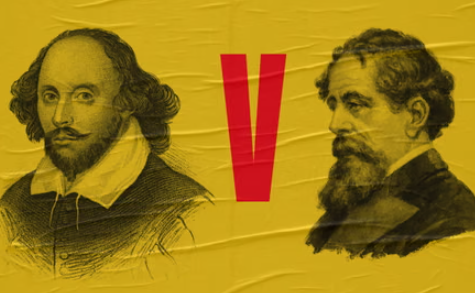
Charles Dickens stands as one of the most influential novelists of the Victorian Era, capturing the stark realities and complexities of life in 19th-century England. Through his vivid characters and gripping narratives, he profoundly illustrated the social, economic, and moral landscape of the time. Let’s explore how Dickens brought Victorian England to life through his literary works.
1. The Great Divide: Class Struggle
One of the most compelling aspects of Dickens’ work is his focus on the vast chasm between the wealthy and the impoverished in Victorian society. In novels like “Oliver Twist,” he exposes the harsh realities faced by orphans and the working class. The character of Oliver, an innocent boy born into a life of hardship, serves as a stark reminder of how society often neglects its most vulnerable members. Dickens doesn’t shy away from illustrating the brutal conditions in workhouses and factories, showcasing the exploitation faced by workers.
Furthermore, in “A Tale of Two Cities,” Dickens juxtaposes the life of the upper class with that of the oppressed during the tumultuous period leading up to the French Revolution. Through the character of Sydney Carton, who sacrifices himself to save another, Dickens embodies the moral dilemmas of the time. These narratives prompt readers to question societal norms and the ethical responsibilities of individuals toward each other.
-
- Familiarize yourself with Dickens’ characters to understand class dynamics in his stories.
-
- Explore key locations in his narratives, such as workhouses and upper-class estates.
-
- Reflect on how these class struggles relate to contemporary issues.
-
- Consider the plight of child laborers and how Dickens aimed to raise awareness.
2. The Industrial Revolution: A Double-Edged Sword
The Industrial Revolution brought about significant advancements in technology and urban living but also marked a period of unimaginable hardship for many. Dickens vividly depicts this transformation in works like “Hard Times.” He illustrates how industrialization creates a dehumanizing environment, stripping away individuality and reducing workers to mere cogs in a vast machine. Through characters like Stephen Blackpool, Dickens sheds light on the struggles faced by laborers as they navigate a rapidly changing world.
In contrast, Dickens also highlights the modern conveniences and opportunities that arose from industrial advancements. The character of Mr. Gradgrind, obsessed with fact and practicality, serves as a critique of the mechanized mindset that dominated society’s educators and leaders. By examining both sides of the coin, Dickens encourages his readers to reflect on the consequences of progress and the importance of maintaining humanity amidst change.
-
- Read “Hard Times” for a deep dive into industrial society.
-
- Observe how Dickens portrays the contrast between wealth and poverty in industrial areas.
-
- Engage in discussions about the benefits and drawbacks of industrialization.
-
- Consider the emotional and psychological effects of industrial life depicted by Dickens.
3. Gender Roles and Women’s Position
Dickens’ portrayal of women in Victorian England reveals the limited roles available to them during this time. Characters like Estella in “Great Expectations” and the devoted yet oppressed wives in various novels depict the struggles and societal expectations placed on women. Through his writing, Dickens often shows women as enduring figures who navigate restrictive gender norms yet demonstrate resilience and strength in adversity.
On the other hand, Dickens was not shy about critiquing societal views of women. In “David Copperfield,” the character of Agnes Wickfield represents an idealized version of womanhood, embodying virtue and moral support. However, this archetype also raises questions about the expectations of women to conform to societal ideals. By addressing these themes, Dickens illuminates the complexities of women’s roles in society and encourages a reevaluation of contemporary gender norms.
-
- Explore how female characters in Dickens’ works reflect societal expectations.
-
- Consider the limitations women faced and how these are represented in his narratives.
-
- Engage in conversations about women’s rights and progress since Dickens’ time.
-
- Reflect on how Dickens’ portrayals may parallel modern gender issues.
In conclusion, Dickens’ portrayal of Victorian England provides invaluable insights into the social, economic, and cultural dynamics of the time. His stories not only entertain but also encourage us to reflect on the progress that has been made and the issues that still persist. As you engage with Dickens’ works, consider how they resonate with today’s society and challenge yourself to think critically about these enduring themes.