
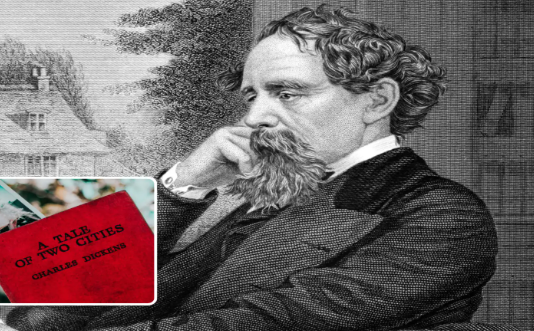
Charles Dickens is more than just a master storyteller; his works provide rich moral lessons that continue to resonate today. Through his vivid characters and intricate plots, Dickens explores themes of kindness, social justice, and redemption. This blog post dives into the essential moral lessons found in his tales and highlights how they remain relevant in our lives.
1. The Value of Compassion
In many of Dickens’s stories, characters who embody compassion are often rewarded, while those lacking empathy face dire consequences. For example, in “A Christmas Carol,” Ebenezer Scrooge’s transformation from a miserly old man to a benevolent figure showcases the profound impact of compassion. His eventual goodwill not only changes his life but also positively affects those around him, illustrating how acts of kindness can ripple through communities.
Moreover, in “Oliver Twist,” the kindness of characters like Mr. Brownlow highlights the importance of compassion in a harsh world. We see how a single act of kindness can alter a young boy’s fate. Dickens emphasizes that empathy doesn’t just change individuals; it can also uplift entire communities, leading to a more harmonious society.
-
- Practice small acts of kindness daily.
-
- Volunteer your time to help those in need.
-
- Listen actively to others and share their burdens.
-
- Encourage a culture of empathy at home and work.
-
- Reflect on how your actions affect others.
2. The Importance of Social Justice
One of the defining features of Dickens’s work is his critique of social injustices. In “Hard Times,” for instance, he critiques the dehumanizing effects of industrialization, portraying the struggles of the working class. Through his characters, Dickens shines a light on the plights of those marginalized by society and challenges readers to consider their own roles in perpetuating inequality.
Similarly, “Bleak House” explores the convoluted and often oppressive nature of the legal system, emphasizing how justice can be obscured by bureaucracy. Dickens’s storytelling urges readers to become advocates for social change, reminding us that an unjust society harms everyone. It motivates contemporary readers to reflect on their personal responsibility towards creating a more equitable world.
-
- Educate yourself about social issues impacting your community.
-
- Advocate for those who cannot speak for themselves.
-
- Support local charities or movements focused on justice.
-
- Utilize social media platforms to raise awareness about injustices.
-
- Engage in conversations about equity and inclusion.
3. The Journey of Redemption
Redemption plays a vital role in Dickens’s storytelling, often illustrating that it’s never too late to change. Scrooge’s metamorphosis in “A Christmas Carol” serves as a quintessential example. His journey teaches us that regardless of our past actions, there’s always an opportunity for reconciliation and improvement. Scrooge’s newfound generosity inspires not only personal change but also revitalizes his relationships with others.
Additionally, in “Great Expectations,” Pip’s evolution from a selfish boy to a self-aware man encapsulates the theme of redemption. Through his struggles and the consequences of his decisions, Pip learns valuable lessons about love, loyalty, and humility. Dickens presents the idea that personal growth often occurs through hardships, reminding us that the path to redemption is a lifelong journey.
-
- Reflect on your mistakes and what you can learn from them.
-
- Seek reconciliation with those you may have wronged.
-
- Set realistic goals for personal improvement.
-
- Surround yourself with supportive and inspiring individuals.
-
- Stay committed to being a better version of yourself.
Charles Dickens’s works invite us to contemplate crucial moral lessons that are as relevant today as they were in his time. His characters serve as mirrors, reflecting our potential for kindness, justice, and personal transformation. By internalizing these lessons, we can work towards a better future for ourselves and our communities.
As you explore the moral nuances in Dickens’s stories, consider how you can implement these lessons in your life. Whether through compassion, advocacy for social justice, or pursuing redemption, every small step contributes to a more enlightened society. Start today on your journey of personal and communal growth!