
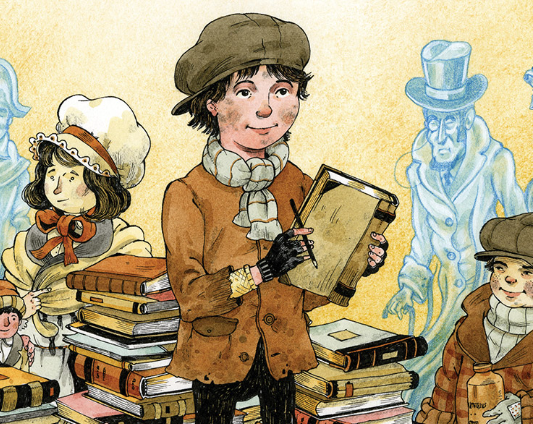
Charles Dickens is widely celebrated for his profound insights into the human condition, particularly through his evocative portrayal of childhood in his novels. His works often reflect the struggles and innocence of children, painting a vivid picture of Victorian society. This post will explore how Dickens employs childhood themes to convey larger societal issues and evoke empathy in his readers.
1. The Innocence of Childhood
In many of Dickens’s novels, the innocence of childhood is juxtaposed against the harsh realities of life. Characters like Oliver Twist and David Copperfield illustrate this theme eloquently. Oliver, in particular, embodies the struggle of innocence against the corrupt adult world. His experiences in the workhouse and subsequently on the streets show how society often abandons its most vulnerable members, emphasizing the need for compassion and reform.
Through characters like David Copperfield, Dickens also highlights the importance of childhood experiences in shaping one’s identity. David’s formative years, filled with both joy and suffering, strongly influence his future decisions and relationships. This sends a powerful message about the long-lasting impact of childhood and the responsibility of society to protect its youth.
-
- Reflect on the innocence present in children you encounter.
-
- Consider how external circumstances shape a child’s future.
-
- Discuss with friends or family the importance of protecting children’s innocence.
-
- Support initiatives aimed at child welfare in your community.
2. The Influence of Societal Context
Dickens often uses childhood as a lens to critique societal issues of his time. In novels like “Great Expectations,” Pip’s childhood experiences expose the class divisions in Victorian England. Pip’s desire to become a “gentleman” leads him through various moral dilemmas, illustrating the corrupting influence of wealth and status. His journey underlines that childhood aspirations can be shaped—and sometimes distorted—by societal expectations.
This theme resonates strongly with modern audiences, as children today also navigate complexities influenced by societal pressures. Dickens’s portrayal of the systemic challenges faced by children invites readers to reflect on present-day disparities in education, healthcare, and social services. It serves as a call to action, urging society to create an environment where all children can thrive.
-
- Analyze how societal factors affect children’s lives today.
-
- Engage in conversations about reducing class divisions in your community.
-
- Support organizations that advocate for children’s rights.
-
- Examine your surroundings and identify ways to improve youth opportunities.
3. Redemption and Growth Through Adversity
Another recurring theme in Dickens’s portrayal of childhood is the idea of redemption through overcoming adversity. Characters like Pip and Oliver often face significant hardships, yet they emerge with profound life lessons. For instance, Oliver’s journey from an orphan to a beloved member of a supportive community symbolizes hope and resilience. These stories remind readers that struggles can lead to personal growth and redemption.
Moreover, Dickens presents adversity as a crucial step in character development. Through trials, his young characters learn valuable lessons about kindness, love, and sacrifice. This not only enlightens the readers but also imbues a sense of hope—that despite life’s challenges, goodness can prevail. This theme encourages readers to support children facing difficulty, believing in their potential for growth and change.
-
- Recognize the potential for growth in children facing challenges.
-
- Encourage resilience in children by helping them face their fears.
-
- Share stories of overcoming adversity to inspire young people.
-
- Volunteer with young people in your community to promote positive experiences.
In conclusion, Charles Dickens’s portrayal of childhood serves as a powerful commentary on social issues that remain relevant today. By examining the innocence, societal influences, and potential for redemption in his characters, he encourages readers to advocate for children’s well-being. As we engage with these themes, let us be reminded of our collective responsibility to nurture and protect the next generation.