
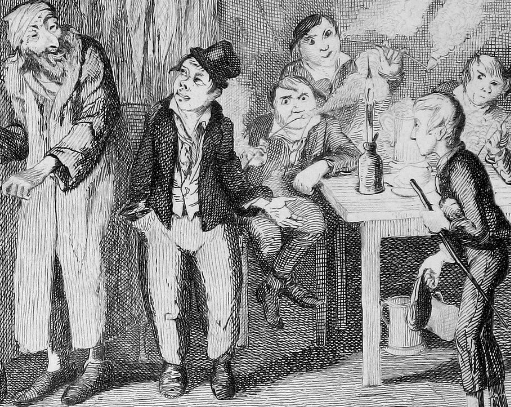
Charles Dickens, one of the most celebrated authors of the Victorian era, drew much of his inspiration from the social issues of his time, particularly poverty and the human compassion that often arose in response to it. His novels not only entertain but also serve as poignant critiques of social injustice, providing readers with a profound understanding of the struggles faced by the impoverished. This blog post explores the themes of poverty and compassion within Dickens’s fiction, illustrating how his characters and their journeys evoke both empathy and a call to action.
1. The Plight of the Poor in Dickens’s Fiction
In novels like “Oliver Twist” and “David Copperfield,” Dickens vividly portrays the harsh realities of poverty. For instance, in “Oliver Twist,” the eponymous character suffers immense hardships in a workhouse, facing neglect and maltreatment from those meant to care for him. Through Oliver’s experiences, Dickens critiques the Poor Law and the societal indifference towards the less fortunate. This powerful depiction invites readers to confront the inhumanity faced by orphans and the needy in Victorian society.
Another notable example can be found in “David Copperfield,” where Dickens illustrates the life of a young boy born into a low-income family. David’s early experiences with his abusive stepfather, Mr. Murdstone, and financial crisis provide a microcosm of the widespread struggles endured by the lower class. Dickens humanizes poverty, illustrating not just the socio-economic plight but also the emotional and psychological toll it inflicts on individuals and families.
-
- Read “Oliver Twist” and reflect on how Oliver’s experiences mirror real-world issues in society.
-
- Analyze the character dynamics between the rich and poor in “David Copperfield.”
-
- Discuss the portrayal of children in Dickens’s novels. How does it shed light on the topic of poverty?
-
- Consider the historical context of the Poor Laws and how Dickens critiques them through his characters.
2. Compassion Among the Characters
While Dickens poignantly addresses the horrors of poverty, he also highlights the compassion that emerges among characters in desperate situations. A prime example is the character of Nancy in “Oliver Twist,” who, despite her grim circumstances, displays a fierce loyalty and protectiveness towards Oliver. Nancy, a member of the criminal underworld, embodies the complexity of compassion, showing that even those entrenched in despair can feel and act with deep empathy.
In “Great Expectations,” the character of Pip evolves alongside his understanding of wealth and kindness. Early in the story, he is embarrassed by his humble beginnings, but his interactions with characters like Joe Gargery demonstrate how true compassion often resides in those who possess the least. Pip’s journey is one of self-discovery, leading him to realize that compassion transcends social status and financial wealth.
-
- Reflect on how Nancy contrasts with other characters involved in crime. What does this say about her compassion?
-
- Explore Pip’s transformation throughout “Great Expectations.” How does his understanding of wealth change?
-
- Identify moments in the stories where characters show unexpected kindness.
-
- Discuss the role of social class in determining who acts compassionately towards others.
3. The Call for Social Change
Throughout his works, Dickens not only illustrates the issues inherent in poverty and the compassion it elicits but also issues a powerful call for social change. His Christmas classic, “A Christmas Carol,” encapsulates this message through the character of Ebenezer Scrooge. Scrooge’s transformation from a miserly curmudgeon to a benevolent benefactor serves as a metaphor for the power of individual change and social responsibility. Dickens illustrates how recognizing the humanity in others can lead to a ripple effect of kindness and community improvement.
Moreover, the end of “A Christmas Carol” leaves readers with the idea that compassion is not merely an instinct but a responsibility. Scrooge’s newfound appreciation for the Cratchit family exemplifies how the wealthy can assist the impoverished through love and generosity. Dickens uses this narrative to inspire his audience to take action against societal injustices, urging them to consider their role in improving the lives of others.
-
- Consider how Scrooge’s change could inspire real-life behavior change in modern society.
-
- Identify charitable actions from the text and brainstorm how they could apply to today’s world.
-
- Discuss Dickens’s intent behind showing the transformation of Scrooge.
-
- Reflect on how community support plays a role in combating poverty today.
In conclusion, Dickens’s exploration of poverty and compassion is both timeless and relevant, resonating with readers across generations. His stories call for introspection and action, reminding us that empathy can drive societal change. As we engage with Dickens’s work, let us consider our own roles in fostering compassion and addressing the injustices of poverty in our modern world.