
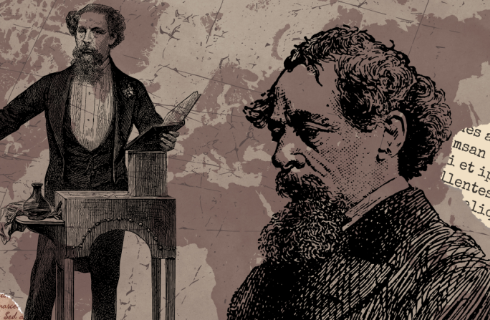
Charles Dickens is known for his vivid characters and gripping plots, but his works frequently delve into the complexities of justice and law. Through his stories, Dickens portrays a society grappling with issues of morality, the legal system’s failings, and the quest for true justice.
1. The Legal System as a Character
In many of Dickens’s novels, the legal system stands as an antagonist in its own right. For example, in “Bleak House,” the court case of Jarndyce vs. Jarndyce is emblematic of the stagnation and absurdity of the legal process. The case drags on for years, consuming the lives and fortunes of those involved, showcasing how the law can often fail instead of serve justice. Through this narrative, Dickens critiques not only the inefficiency of the legal system but also its dehumanizing effect on individuals.
Moreover, he illustrates that the victims of this system are often ordinary people, illustrating the power imbalance inherent in the law. Characters like Mr. Tulkinghorn and Lady Dedlock manipulate this system, leaving the less privileged to navigate its complexities alone. This struggle highlights the disparity between social classes and their access to justice, making readers ponder the implications of such a system.
-
- Read “Bleak House” to understand Dickens’s critique of the legal system.
-
- Analyze how characters interact with the law and each other.
-
- Reflect on events that reveal bias in the legal practice.
-
- Note how Dickens uses satire to expose legal absurdities.
2. Morality vs. Legality
Dickens often juxtaposes morality and legality in his narratives, illustrating that just because something is legal does not mean it is just. In “Oliver Twist,” for instance, the workhouse system operates under the legality of the Poor Law, yet it is morally reprehensible. The treatment of Oliver and his peers raises questions about the ethical implications of laws that dehumanize vulnerable populations. Dickens’s portrayal of Oliver’s plight urges the reader to ponder what true justice should look like.
This theme resonates in “A Christmas Carol” as well. Ebenezer Scrooge’s initial adherence to legal and financial norms neglects the moral responsibilities of community and compassion. Dickens encourages readers to evaluate their own lives and the laws they adhere to silently, posing the question: should affectation for profit override essential human values? This moral dimension adds depth to his storytelling, making readers reconsider their understanding of right and wrong.
-
- Consider how different characters define moral duty.
-
- Explore examples of legal acts that compromise ethics.
-
- Question what changes could be made to existing laws for justice.
-
- Think critically about current events reflecting these themes.
3. Redemption Through Justice
Redemption is a recurring theme in Dickens’s exploration of justice. Many of his protagonists seek to right societal wrongs or their personal misdeeds. In “David Copperfield,” the journey toward self-realization and moral responsibility is paralleled by the protagonist’s encounters with various representations of justice. Through characters like Mr. Micawber, who represents the striving for justice amidst adversity, Dickens suggests that redemption is possible. This narrative of hope encourages readers to believe in the possibility of change.
Furthermore, the transformation of characters often signals a return to a moral center. For instance, in “Great Expectations,” Pip’s eventual understanding of true gentility emphasizes the idea that justice goes beyond social class and wealth. Through these redemptive arcs, Dickens illustrates that justice brings personal growth and vitality back into the lives of individuals torn by law or circumstance.
-
- Read Dickens’s novels looking for character redemption arcs.
-
- Identify moments where characters confront their past decisions.
-
- Reflect on how redemption affects the legal outcomes in stories.
-
- Consider what messages Dickens conveys about forgiveness and justice.
Charles Dickens’s literary world serves as a platform to critique and reflect upon issues of justice and law. His works challenge readers to consider the ethical dilemmas in both the legal system and their own lives. By engaging with these themes, we can cultivate a deeper understanding of justice, recognize societal flaws, and pursue compassion in our daily interactions.
As you explore Dickens’s writings, consider how the themes of justice resonate with today’s legal landscape. Commit to being more aware of how laws impact society and seek to contribute positively in your community.