
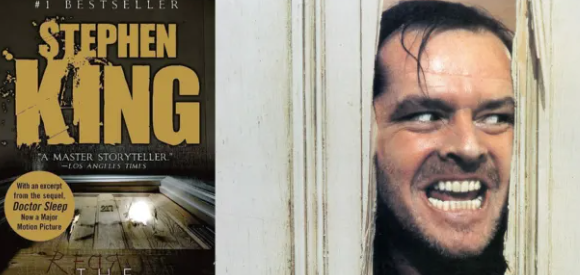
Books have long served as a rich source of inspiration for filmmakers, leading to numerous adaptations that successfully translate narrative brilliance to the silver screen. However, when a movie truly captures the essence of the original book, it makes for a compelling viewing experience. In this post, we’ll explore several remarkable book-to-film adaptations that are praised for their accurate storytelling.
1. The Lord of the Rings Trilogy
J.R.R. Tolkien’s epic fantasy series, “The Lord of the Rings,” is one of the most lauded book-to-film adaptations. Directed by Peter Jackson, the trilogy carefully preserves the depth of Tolkien’s world-building and character development. While some subplots were omitted for pacing, the core themes of friendship, bravery, and sacrifice remain intact, making the series a celebration of Tolkien’s work.
Notably, elements like the emotional stakes of Frodo’s journey and the dark allure of the One Ring are portrayed with remarkable fidelity. The breathtaking landscapes of New Zealand brilliantly capture Middle-earth, allowing audiences to immerse themselves fully in the enchanting world Tolkien imagined. The cast also delivers strong performances that align closely with their literary counterparts.
-
- Read the book before watching the movie to enrich your experience.
-
- Pay attention to the character arcs and how they translate visually.
-
- Discuss the differences afterward with friends to appreciate both mediums.
-
- Explore supplemental materials like “The Appendices” for deeper insights.
2. To Kill a Mockingbird
Harper Lee’s “To Kill a Mockingbird” has been adapted into an iconic film directed by Robert Mulligan. The 1962 movie maintains the poignant themes of racial injustice and moral growth articulated in the book. Gregory Peck’s portrayal of Atticus Finch is heralded as one of the most faithful adaptations of a literary figure, showcasing profound integrity and courage in the face of societal prejudices.
The film effectively utilizes narration through the eyes of Scout Finch, allowing viewers to grasp the innocence of childhood amid the harsh realities of life. The central courtroom scene mirrors the book with striking accuracy, highlighting the ethical dilemmas that define the story. This combination of solid performances and nuanced storytelling makes the adaptation not just a film, but an enduring piece of American culture.
-
- Analyze how the film’s cinematography enhances the narration.
-
- Consider the historical context of both the book and movie for deeper understanding.
-
- Create a character comparison chart between the book and film.
-
- Share your thoughts on how the adaptation impacted your perception of justice.
3. The Fault in Our Stars
John Green’s bestselling novel “The Fault in Our Stars” was adapted into a film that resonated deeply with audiences. Directed by Josh Boone, the movie honors the pivotal themes of love, loss, and the struggle against illness. Shailene Woodley and Ansel Elgort deliver heartfelt performances that closely follow the emotional journeys of Hazel and Gus, making the viewer invest in their story.
Particularly significant is the film’s handling of dialogue, which retains much of the novel’s witty and poignant exchanges. Each scene feels like a continuation of Green’s prose, allowing fans of the book to appreciate the depth of the characters as they navigate their poignant journey. The adaptation also thoughtfully portrays the setting and mood, lending an authentic visual representation to Green’s written world.
-
- Create a viewing party with fellow book lovers to discuss the adaptation.
-
- Note any scenes that differ from the book and analyze their impact on the story.
-
- Engage with online forums for diverse perspectives on both the book and the film.
-
- Explore fan art or merchandise that showcase your favorite quotes or moments.
4. The Great Gatsby
F. Scott Fitzgerald’s classic, “The Great Gatsby,” was adapted into various films, with Baz Luhrmann’s 2013 version being one of the most visually stunning. While some critics argue about fidelity, the film successfully captures the essence of the Roaring Twenties and the tragic love story at its heart. Leonardo DiCaprio’s Gatsby remains iconic, reflecting the grandeur and the emptiness of his pursuit.
The vibrant visuals, paired with a contemporary soundtrack, enhance the emotional depth of the story, appealing to both fans of the book and new audiences. Key themes, such as the American Dream and social stratification, resonate through the film, engaging viewers in Fitzgerald’s critique of society. The lush cinematography serves as a striking canvas against which the story unfolds, making it a memorable adaptation.
-
- Discuss the impact of the film’s modern soundtrack on the storytelling.
-
- Consider how the visual elements reflect the themes of wealth and decadence.
-
- Compare character portrayals from the book to the film to ascertain fidelity.
-
- Reflect on how the film’s style adds another layer to Fitzgerald’s narrative.
5. Pride and Prejudice
Jane Austen’s timeless romance, “Pride and Prejudice,” has seen numerous adaptations, with the 2005 film starring Keira Knightley being particularly noteworthy for its emotional depth. The film adeptly preserves Austen’s sharp wit and social commentary while offering stunning visuals and a sweeping score that enhance the love story between Elizabeth Bennet and Mr. Darcy.
The chemistry between the leads is compelling, drawing viewers into the complexities of social norms and personal desires that Austen explores. The film successfully captures the essence of the book, from its memorable dialogue to the beautiful English countryside that serves as backdrop to the unfolding drama. As a result, it has become a beloved depiction of Austen’s classic work.
-
- Take note of significant dialogues, and discuss their implications.
-
- Evaluate the performances of the main actors against the characters in the book.
-
- Watch other adaptations to see different interpretations of the same story.
-
- Engage with discussion groups to share insights and analyses.
In summarizing these remarkable adaptations, it’s clear that bringing literature to life on the screen presents unique challenges and opportunities. Each film has its unique approach to storytelling that honors the spirit of its source material. Whether you’re a dedicated reader or a film enthusiast, exploring these adaptations enriches both mediums, inspiring deeper discussions and reflections. So gather your friends, grab a book, and dive into the world of storytelling that transcends pages and frames alike.