
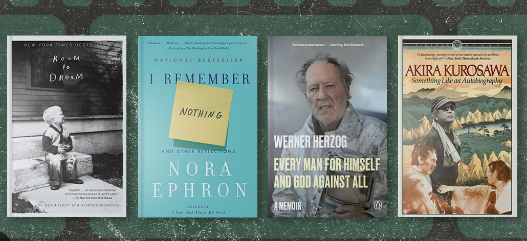
Books have always served as a rich source of inspiration for filmmakers, illuminating the paths that legendary directors have walked to create cinematic masterpieces. Many renowned directors have drawn from the pages of novels, plays, and essays to create the compelling narratives that captivate audiences worldwide. In this blog post, we will explore several iconic directors and the books that shaped their creative visions.
1. Alfred Hitchcock: “The Turn of the Screw” by Henry James
Alfred Hitchcock, known as the master of suspense, found inspiration in Henry James’s novella “The Turn of the Screw.” This story presents a complex psychological horror that deeply explores themes of obsession, manipulation, and fear. Hitchcock admired how the ambiguous nature of the plot allowed for multiple interpretations, which he later utilized in his films such as “Rebecca” and “Psycho,” embedding psychological depth alongside the thrill and suspense.
The use of unreliable narrators in James’s work also struck a chord with Hitchcock. He often played with audience expectations, leading viewers to question reality, just as the protagonist in the novella struggles with her experiences. This influence can be traced in many of his films, where the line between reality and imagination becomes blurred, enhancing the psychological tension.
-
- Explore the theme of ambiguity in storytelling.
-
- Focus on character psychology to develop depth.
-
- Consider using unreliable narrators for plot twists.
-
- Utilize suspense to keep audience engagement high.
2. Martin Scorsese: “The Great Gatsby” by F. Scott Fitzgerald
Martin Scorsese has often cited “The Great Gatsby” as a major influence on his work, particularly in his exploration of themes related to wealth, identity, and the American dream. Fitzgerald’s portrayal of decadence and moral ambiguity resonates with Scorsese’s own renowned films like “Goodfellas” and “The Wolf of Wall Street,” where he delves into the lives of characters navigating through their chaotic existences in pursuit of success and status.
Scorsese’s characters often reflect the complexities of human desire and the consequences that accompany the quest for wealth, much like Jay Gatsby’s tragic journey. The lush imagery and emotional depth found in Fitzgerald’s narrative fuel Scorsese’s vibrant visual style and storytelling techniques that bring characters to life in a compelling way.
-
- Analyze characters’ motivations and backgrounds thoroughly.
-
- Weave thematic elements of ambition and moral decay.
-
- Use rich visuals to enhance narrative depth.
-
- Engage with the cultural context of the story.
3. Francis Ford Coppola: “The Godfather” by Mario Puzo
Francis Ford Coppola’s adaptation of Mario Puzo’s novel “The Godfather” is a monumental example of how literature can transform into a cinematic triumph. Puzo’s intricate exploration of family, power, and loyalty provided Coppola with a robust narrative foundation that he expanded and enriched through his direction and screenplay. The film became a cultural phenomenon, demonstrating the power of storytelling rooted in literary sources.
Coppola and Puzo worked closely to build a film that encapsulated the ethos of the Italian-American experience while unveiling deep moral dilemmas faced by the characters. The novel’s dialogue and character arcs were meticulously transformed for the screen, paving the way for iconic performances and memorable lines that resonate even today.
-
- Collaborate closely with authors to enhance screenplays.
-
- Focus on familial relationships as a narrative cornerstone.
-
- Translate character-driven conflicts into visual storytelling.
-
- Highlight the cultural and social contexts in adaptations.
4. Stanley Kubrick: “A Clockwork Orange” by Anthony Burgess
Stanley Kubrick’s vision for “A Clockwork Orange” is heavily influenced by Anthony Burgess’s novel of the same name. The book’s exploration of free will, morality, and the nature of violence struck a deep chord with Kubrick, who sought to create a thought-provoking cinematic experience. He skillfully adapted the novel’s thematic complexity into a visually arresting film that challenges societal norms and moral boundaries.
Kubrick’s interpretation of the story introduces a unique stylistic flair while retaining the novel’s core message. He utilized striking visuals, music, and innovative storytelling methods to convey the multifaceted nature of the protagonist, Alex, thereby making profound statements about human nature and the consequences of violence in society.
-
- Emphasize thematic layers to invite contemplation.
-
- Utilize visual symbolism to convey deeper meanings.
-
- Experiment with unique styles to reflect character psychology.
-
- Challenge traditional narrative structures to invoke thought.
5. Quentin Tarantino: “The Killer Inside Me” by Jim Thompson
Quentin Tarantino has frequently drawn inspiration from crime fiction, and one of his notable influences is Jim Thompson’s “The Killer Inside Me.” The novel’s exploration of sociopathy and fragmented identity greatly impacted Tarantino’s writing style, leading him to craft complex characters that oscillate between hero and villain. This nuance is evident in films like “Pulp Fiction” and “Kill Bill,” where moral ambiguity reigns supreme.
Tarantino’s cinematic interpretations often include nonlinear storytelling and sharp dialogues, reflecting Thompson’s gritty, raw narrative style. The interplay between violence and dark humor in Thompson’s work resonates throughout Tarantino’s filmography, creating intense, yet entertaining, viewing experiences for audiences.
-
- Embrace complex character arcs that defy categorization.
-
- Integrate dark humor into dramatic narratives.
-
- Create non-linear storylines for deeper engagement.
-
- Focus on sharp, memorable dialogue to define character voices.
Through the lens of these iconic directors, it becomes clear that literature plays a foundational role in shaping the art of filmmaking. The ability to adapt literary themes and character complexities into visual narratives not only honors the source material but also propels cinematic innovation. If you’re a filmmaker or aspiring writer, consider delving into the literary works that inspire you; it might just ignite your next creative breakthrough.