
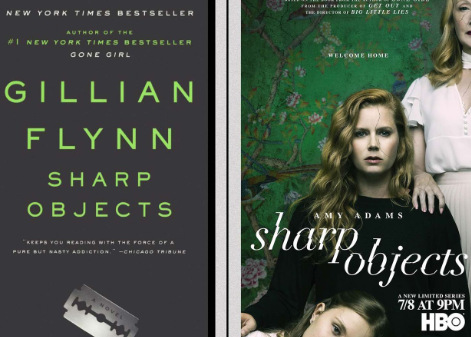
Adapting a beloved book into a movie is a monumental task. Filmmakers often face the challenge of translating rich narratives and deep character arcs into a visual format, which sometimes leads to significant plot changes. In this article, we’ll explore several notable examples of books that were adapted into films, focusing on the major alterations that occurred during the process.
1. The Shining
Stephen King’s “The Shining” is a classic horror novel that delves into the psychological breakdown of Jack Torrance, a writer who takes a job as the winter caretaker of the isolated Overlook Hotel. King’s work thrives on suspense and psychological tension. However, Stanley Kubrick’s film adaptation diverges considerably from the source material, particularly in Jack’s character development and the portrayal of the supernatural elements within the hotel.
In the novel, Jack is portrayed as a deeply flawed human whose descent into madness is gradual and rooted in his struggle against alcoholism and his relationship with his family. Kubrick’s film, however, presents Jack as almost unhinged from the start, showcasing a more overtly menacing character. Additionally, the film taps into Kubrick’s visual genius but misses King’s thematic assertions about family and personal demons.
-
- Read both the book and the film’s reviews to better understand different perspectives.
-
- Look for themes and character arcs that may be altered in adaptation.
-
- Engage in discussions with fellow readers or viewers to gather insights.
-
- Watch behind-the-scenes footage to see how choices were made in casting and direction.
2. The Hunger Games
Suzanne Collins’ “The Hunger Games” portrays a dystopian future where children are sacrificed in brutal televised games that serve to control the populace. While the film adaptation retains much of the plot from the novel, several crucial changes shift character motivations and depth, particularly concerning the character of Peeta Mellark and his relationship with Katniss Everdeen.
In the book, Peeta harbors a deep love for Katniss that influences his actions throughout the games. Conversely, the film emphasizes his strategic partnership with Katniss to a greater extent, sometimes overshadowing his emotional struggles. This adjustment alters the audience’s perception of Peeta, making him appear more like a tactical ally than a love interest, which can dilute some of the narrative’s emotional impact.
-
- Analyze how the portrayal of key relationships differs between the book and film.
-
- Consider how changes affect the overall message of the story.
-
- Identify scenes that were either added or omitted altogether.
-
- Discuss with friends to see how they interpreted the characters differently from the book.
3. The Time Traveler’s Wife
Audrey Niffenegger’s “The Time Traveler’s Wife” offers a unique love story that interweaves the complexities of time travel into a narrative full of emotional depth. The film version, however, simplifies much of the timeline and the nuances of the characters’ experiences. One of the most significant alterations is in the treatment of Clare’s agency and the timeline of her relationship with Henry.
In the book, Clare’s resilience and emotional growth are paramount as she grapples with the challenges of loving a man who disappears unpredictably. The film tends to downplay these aspects, leading to a less comprehensive understanding of her character’s journey. This change in their dynamics not only modifies the story’s emotional gravity but also shifts viewer sympathy and engagement with the characters.
-
- Note changes in character behaviors and their implications on the story.
-
- Reflect on how the themes of love and loss are portrayed differently.
-
- Seek out reader forums to explore differing interpretations.
-
- Create a timeline comparing events in the book versus the movie.
4. The Great Gatsby
F. Scott Fitzgerald’s “The Great Gatsby” is more than just a tale of love; it is a critical commentary on the American Dream, encapsulated within a glamorous yet morally complex narrative. Baz Luhrmann’s film adapts this novel with a distinct visual style and vibrant modern music, but significant plot elements are adjusted or omitted, altering its core themes.
In the book, much of the commentary on wealth, class, and disillusionment is conveyed through the eyes of narrator Nick Carraway. The film’s focus on the lavish spectacle can obscure this depth, creating a more superficial experience. Additionally, the novel’s intricate subplots, which contribute to the critique of society, are less pronounced in the film, leading to a diverging viewer experience.
-
- Reflect on how the historical context impacts character motivations.
-
- Compare the narrative voice in the book versus the visual direction in the film.
-
- Discuss the significance of omitted scenes and their effect on the story.
-
- Participate in discussions about the portrayal of the American Dream through both mediums.
In conclusion, the transition from book to screen often involves significant alterations that can reshape narratives and character portrayals. Understanding these changes can enhance your appreciation for both formats and enrich your viewing and reading experiences. Dive into these adaptations with an open mind, and explore how different interpretations can lead to unique understandings of beloved stories.