
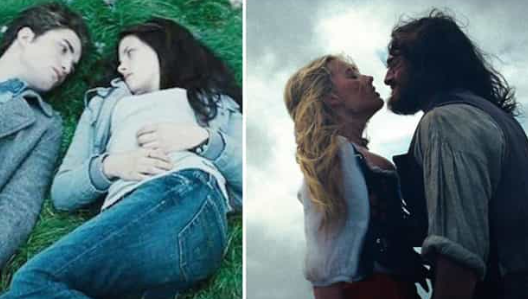
Movie adaptations of beloved books have always sparked conversations, especially when the interpretations deviate significantly from the original storyline. This article will explore some of the most controversial adaptations, showing how they stirred debate among fanbases and critics alike.
1. The Shining
Stephen King’s “The Shining” is a classic horror novel that explores themes of isolation, madness, and family dynamics. While Stanley Kubrick’s 1980 film adaptation is iconic in the realm of horror cinema, it strayed from the source material, causing King to voice his strong disapproval. Kubrick made significant alterations to characters and plot points, which prompted heated discussions about fidelity to the original narrative.
One of the most notable differences is in the portrayal of Jack Torrance. In King’s novel, Jack is a more complex character, struggling with his internal demons but ultimately redeemable. Kubrick’s version presents him as more menacing from the start, which some fans argue undermines the depth of his tragic fall from grace.
-
- Read both the book and the adaptation to form your own opinion.
-
- Consider the artistic choices made by the director.
-
- Engage in online forums to discuss differing viewpoints.
-
- Watch documentaries on the film adaptation process for deeper insights.
2. The Great Gatsby
F. Scott Fitzgerald’s “The Great Gatsby” has been adapted for film multiple times, with the 2013 version directed by Baz Luhrmann being the most controversial. While the book dives deep into themes of the American Dream, love, and social class, many felt the film’s flashy style overshadowed these essential elements. Critics pointed out that the modern soundtrack and extravagant visuals diluted the novel’s poignant critique of 1920s America.
The adaptation’s reliance on special effects and visual spectacle drew comparisons to a music video rather than a classic literary adaptation. While some audience members embraced the modern twists, others lamented the loss of Fitzgerald’s nuanced prose and the socio-cultural commentary embedded within it. This divide has led to passionate discussions about what constitutes a faithful adaptation.
-
- Reflect on how visual elements enhance or detract from storytelling.
-
- Consider the impact of a modern soundtrack on the story’s themes.
-
- Explore different adaptations to appreciate diverse interpretations.
-
- Read literary critiques that discuss the themes in both book and film.
3. Ender’s Game
Orson Scott Card’s “Ender’s Game” presents a thought-provoking narrative on war, morality, and the ethics of child soldiers. The 2013 film adaptation faced significant backlash from fans who felt it oversimplified key concepts and themes. Critics claimed that the movie missed the emotional depth and complexity that made the book resonate with readers.
One of the core criticisms centered on character development. In the book, Ender Wiggin’s internal struggles and moral dilemmas are intricately explored, while the film took a more action-oriented approach, glossing over these psychological elements. Such omissions led to intense debates about the film’s fidelity to Card’s original vision, particularly regarding the ethical implications of the story.
-
- Pay attention to character arcs and their significance in both versions.
-
- Investigate the author’s background and its influence on the narrative.
-
- Engage with fan communities to discuss the book versus film experience.
-
- Analyze how different media formats can alter storytelling weight and complexity.
4. The Handmaid’s Tale
Margaret Atwood’s “The Handmaid’s Tale” has been adapted into both a film and a successful television series. While the initial 1990 film strayed significantly from the plot and missed many of the novel’s thematic elements, the series that began in 2017 has garnered acclaim for its more faithful representation. Despite this success, some viewers find the series controversial due to its contemporary political parallels that heighten the dystopian narrative.
The adaptation’s ability to resonate with current social issues brought both praise and criticism. Some fans appreciate the modernization, while others feel it distracts from Atwood’s original context and message. This ongoing dialogue illustrates the challenges of adapting literature into a visual medium, especially when exploring sensitive themes like gender oppression and totalitarianism.
-
- Explore how different adaptations interpret the same themes.
-
- Discuss with friends the implications of modernizing classic literature.
-
- Evaluate the success of adaptations in conveying the original themes.
-
- Stay updated with series developments to compare with the source material.
5. The Da Vinci Code
Dan Brown’s “The Da Vinci Code” became an international sensation, but its film adaptation in 2006 faced severe controversy for its handling of historical and religious themes. Many critics and religious groups argued that the movie distorted facts or promoted misleading interpretations of Christianity and art history, creating a polarized view of the adaptation among audiences.
The adaptation sparked debates about creative liberties taken in films and how they impact public perception of sensitive subjects. While some viewers enjoyed the thrilling aspects of the film, many readers felt that such liberties misrepresented the book’s intent, resulting in a divisive reception that remains relevant in discussions about adaptation ethics today.
-
- Research the historical context behind the book and film.
-
- Engage with critical reviews to get different perspectives on the adaptation.
-
- Consider the impact of fictional adaptations on real-world beliefs.
-
- Join discussions about creativity versus accuracy in storytelling.
Controversial adaptations fuel lively debate among fans and critics alike, raising questions about fidelity, artistic interpretation, and the essence of storytelling. By exploring these contentious adaptations, readers can gain a deeper appreciation for both the original texts and their cinematic interpretations. Embrace the conversation, and don’t hesitate to share your thoughts on the adaptations you find most compelling!