
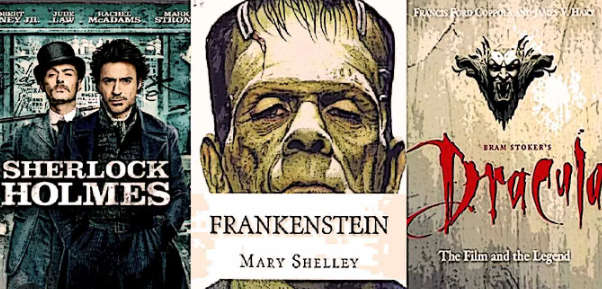
Books have a magical quality that can span generations, and when they are adapted into films, they often create a rich tapestry of emotions and stories. Some movies stay true to the novels that inspired them, capturing the essence and intricate details of the original work. Here are some of the books with the most faithful movie adaptations.
1. To Kill a Mockingbird
Harper Lee’s timeless novel “To Kill a Mockingbird” was brought to life on the big screen in 1962, with Gregory Peck delivering an unforgettable performance as Atticus Finch. The film stays largely true to the narrative arc of the book, reflecting the social issues and moral complexities faced by its characters. With its heartfelt portrayal of childhood and the fight against prejudice, the adaptation is often regarded as one of the finest in cinematic history.
What sets this adaptation apart is its ability to convey the subtleties of the original text while ensuring that viewers can connect emotionally with the characters. The film adheres closely to the novel’s themes, showcasing the innocence of Scout and her brother Jem against the backdrop of racism in the American South. The storytelling pace is maintained expertly, allowing audiences to digest the heavy themes without being overwhelmed.
-
- Read the novel to understand its profound themes.
-
- Watch the film to see how it visually represents these themes.
-
- Compare key scenes from both mediums for deeper analysis.
-
- Discuss the cultural impact of the story across different generations.
2. The Great Gatsby
F. Scott Fitzgerald’s “The Great Gatsby” explores themes of wealth, love, and the American Dream, and its 2013 film adaptation directed by Baz Luhrmann is visually striking and boasts a faithful representation of the book’s key events. While the filmmaker introduced modern elements through its music and aesthetic choices, the core narrative and characterizations remain faithful to Fitzgerald’s original prose. The film captures the essence of the Roaring Twenties, presenting the lavish lifestyles and underlying emptiness characteristic of that era.
The adaptation leverages symbolism present in the novel, notably the green light and the valley of ashes, to elevate its visual storytelling. The complexities of Jay Gatsby and the societal norms of the time are faithfully rendered, allowing audiences to appreciate the depth of the characters. While there are moments of artistic license, many critics laud this version for aligning closely with Fitzgerald’s visions.
-
- Examine the symbolism in both the novel and film.
-
- Observe how the visuals influence your interpretation of characters.
-
- Engage in discussions regarding the depiction of the American Dream.
-
- Note the differences in pacing between reading and watching.
3. Pride and Prejudice
Jane Austen’s classic “Pride and Prejudice” has seen numerous adaptations, but the 2005 film starring Keira Knightley stands out for its capacity to retain much of the book’s eloquent dialogue and character development. Austen’s sharp wit and romantic tensions are skillfully preserved through meticulous scriptwriting and performances. The adaptation respects the social mores of the 19th century while delivering a fresh perspective on Elizabeth Bennet and Mr. Darcy’s evolving relationship.
The sweeping landscapes and period-accurate costumes enhance the viewing experience, inviting audiences into Austen’s Regency world. The film captures the essence of the original romance while delivering a visual experience that appeals to modern viewers. Through deft storytelling and a compelling score, it brings an enduring love story to life without losing its literary charm.
-
- Read the book to appreciate the nuances of character development.
-
- Watch the film focusing on performance style and dialogue accuracy.
-
- Discuss the cultural context of marriage in Austen’s time.
-
- Analyze how character motivations are conveyed through both mediums.
4. The Lord of the Rings Trilogy
J.R.R. Tolkien’s epic fantasy series “The Lord of the Rings” was adapted into a successful trilogy directed by Peter Jackson, which is widely praised for its fidelity to the source material. The films successfully capture the complex narratives, rich lore, and character arcs that Tolkien crafted. While some minor adjustments were made for cinematic pacing, the spirit of the original story remains intact, making it a beloved adaptation among fans of the series.
From the breathtaking landscapes of Middle-earth to the intricate details of character development, each film takes viewers on a journey that reflects Tolkien’s deep world-building. Iconic scenes such as the Council of Elrond and the Battle of Helm’s Deep are portrayed with attention to detail, giving fans an immersive experience that complements the novels. The adaptation even introduces new audiences to Shakespearean themes of friendship, sacrifice, and heroism.
-
- Read the books to understand the intricate plotlines and character decisions.
-
- Watch the films for their spectacular visual storytelling.
-
- Discuss how the films resurrect key themes present in the novels.
-
- Take note of characters’ portrayals and their alignment with the books.
5. Jurassic Park
Michael Crichton’s “Jurassic Park” presents a thrilling narrative that was transformed into an iconic action-adventure film directed by Steven Spielberg. The movie closely follows the book’s storyline about the ethical dilemmas of genetic engineering and the perils of a dinosaur theme park gone awry. Spielberg’s adaptation preserves many of the key plot points and character dynamics, while also enhancing the scientific intrigue and suspense, making it one of the most successful film adaptations in terms of box office performance and critical acclaim.
The film’s groundbreaking special effects and thrilling sequences greatly contribute to its faithful adaptation, but it doesn’t solely rely on visual spectacle. The tension present in Crichton’s novel, stemming from scientific ethics and corporate ambition, translates well onto the screen. Additionally, the film adds memorable moments that resonate with audiences while staying true to Crichton’s cautionary tale about technological overreach.
-
- Read the book to understand the scientific concepts and ethical dilemmas.
-
- Watch the film to visualize the action-packed sequences.
-
- Compare the characters from the book and film adaptations.
-
- Engage in discussions about the lessons from the story.
In conclusion, faithful movie adaptations can provide a profound and enjoyable experience, bridging the gap between literature and cinema. Delving into these adaptations can enrich your understanding of the source material and inspire deeper conversations about the themes presented. Whether you choose to read the books, watch the films, or both, there’s much to learn and enjoy from these remarkable stories.