
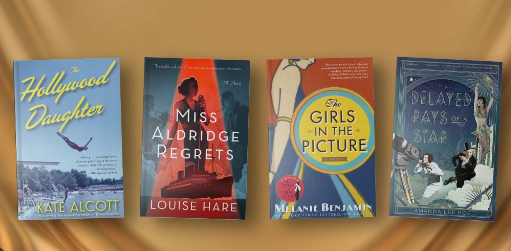
Books and movies share a magical relationship; some of the most celebrated films of our time were inspired by the pages of literary works. These adaptations allow fans to dive deeper into captivating stories and visualize beloved characters in a whole new light. Here are some iconic books that inspired Hollywood blockbusters, showcasing how literature has shaped the cinematic landscape.
1. The Lord of the Rings
Originally penned by J.R.R. Tolkien, “The Lord of the Rings” trilogy has captivated readers and viewers alike since its publication in the 1950s. The epic story of Aragorn, Frodo, and the battle against the dark Lord Sauron was adapted by Peter Jackson into a film series that debuted in 2001. The films received widespread acclaim for their stunning visuals, groundbreaking special effects, and an outstanding ensemble cast, bringing Middle-earth to life.
The immense success of the film series led to a renewed interest in Tolkien’s work, sparking a resurgence of fantasy literature. The attention to detail and craftsmanship in the movies mirrored Tolkien’s complex world-building, which included rich histories, languages, and cultures. Film buffs and book lovers often debate the strengths and weaknesses of the adaptations, but one thing is clear: both have left an enduring legacy.
-
- Read Tolkien’s works to appreciate the depth behind the films.
-
- Explore adaptations in various media, including animated versions.
-
- Join fan forums to discuss themes and character arcs.
-
- Watch behind-the-scenes footage to understand production challenges.
2. Jurassic Park
Michael Crichton’s “Jurassic Park” introduced readers to a world where dinosaurs roamed the Earth once again, thanks to groundbreaking genetic technology. The novel was released in 1990 and quickly became a bestseller, but its true fame skyrocketed with the release of Steven Spielberg’s iconic film in 1993. The film was a monumental success that changed the landscape of science fiction in cinema and showcased innovative special effects that made dinosaurs appear lifelike.
While the film followed the basic premise of the book, several character arcs and plot points were altered for cinematic effect. Spielberg’s adaptation effectively captured the thrill and terror of the original story, demonstrating the potential consequences of tampering with nature. This thrilling adventure has since spawned sequels, merchandise, and even a theme park ride, cementing its status as a cultural phenomenon.
-
- Read both “Jurassic Park” and “The Lost World” for a full experience.
-
- Consider how scientific advancements relate to the story.
-
- Discuss with friends how the film differs from the book.
-
- Watch documentaries about dinosaurs to deepen your understanding.
3. The Great Gatsby
F. Scott Fitzgerald’s “The Great Gatsby” has been adapted into multiple films, with the most recent adaptation directed by Baz Luhrmann in 2013. The novel, released in 1925, is a poignant exploration of the American Dream, love, and the moral void of the Jazz Age. The lavish imagery and contemporary soundtrack in Luhrmann’s version brought a modern twist to Fitzgerald’s classic, attracting a new generation of viewers.
This adaptation highlighted the contrasts between wealth and poverty, love and loss, through vibrant visuals and an emotive score. By focusing on the larger-than-life persona of Jay Gatsby, the film captures themes of aspiration and disenchantment. Whether through the novel or the film, Fitzgerald’s work continues to resonate in today’s society, prompting discussions about wealth, society, and human desires.
-
- Read the novel to dive into intricate character development.
-
- Explore different adaptations to compare interpretations.
-
- Analyze the themes of class and morality within the story.
-
- Watch documentaries about the Jazz Age for historical context.
4. To Kill a Mockingbird
Harper Lee’s “To Kill a Mockingbird,” published in 1960, has become a staple in American literature. The story, narrated by young Scout Finch, addresses complex issues like racial injustice and moral growth. The film adaptation, released in 1962 and starring Gregory Peck as Atticus Finch, captured the essence of the novel while remaining true to its spirit and message. Peck’s performance earned him an Academy Award and introduced audiences to the moral dilemmas depicted in the book.
This timeless tale continues to be relevant, reminding us of the importance of empathy and understanding. The movie adaptation managed to convey the poignant scenes and moral strife of the book, making it a classic in both literature and film. It remains a great conversation starter for discussions ranging from ethics and justice to childhood and identity.
-
- Read the novel for a deeper understanding of its themes.
-
- Reflect on how the issues presented relate to contemporary society.
-
- Engage in discussions or book clubs to share perspectives.
-
- Watch the film as a complement to the book experience.
As we’ve explored, numerous influential books have served as the foundation for Hollywood blockbusters, showcasing the rich interplay between literature and film. These adaptations not only entertain but also provoke thought and discussion about timeless themes. Whether you’re a book lover, a film enthusiast, or both, diving into these stories can enhance your appreciation for both mediums. So grab a book, watch its adaptation, and continue the conversation about these powerful narratives!