
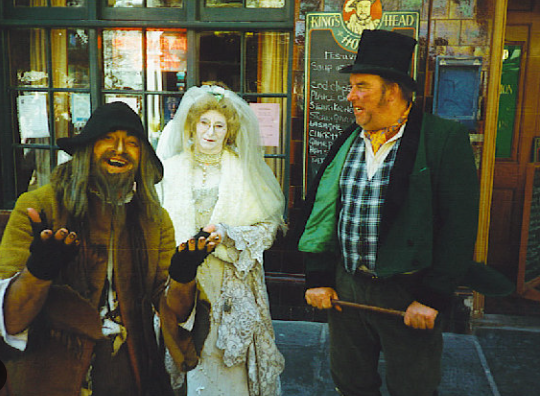
Charles Dickens is renowned for his vivid characterizations, particularly the dichotomy between heroes and villains in his works. These characters often reflect the complex morality of Victorian society, offering readers a spectrum of good and evil. In this blog post, we will explore the different types of heroes and villains in Dickens’s fiction, illustrating how they contribute to the timeless themes of his narratives.
1. The Resilient Heroes
One of the defining features of Dickens’s heroes is their resilience in the face of adversity. Characters like Oliver Twist and David Copperfield not only navigate their struggles but also embody the virtue of perseverance. Oliver, an orphan raised in a workhouse, demonstrates unwavering hope despite his grim circumstances, while David Copperfield evolves through a tortuous journey marked by hardship. Their stories are testaments to the power of integrity and kindness, even when surrounded by cruelty.
Moreover, the journeys of these heroes are interspersed with uplifting moments that inspire readers. For instance, David Copperfield learns valuable lessons from characters like Mr. Micawber, whose optimism teaches him about financial literacy and moral integrity. These encounters shape their moral compass, illustrating the importance of choosing kindness in a world filled with challenges.
-
- Identify traits of resilience in characters.
-
- Explore the role of mentors in shaping heroic journeys.
-
- Analyze how adversity fosters personal growth.
-
- Reflect on the moments that inspire hope in bleak situations.
2. The Complex Villains
On the flip side, Dickens excels at creating multifaceted villains that challenge the typical binary of good and evil. Characters like Ebenezer Scrooge and Fagin are not merely embodiments of wickedness; rather, they evoke a complicated understanding of their motivations. Scrooge, for instance, begins as a miserly figure but undergoes a profound transformation that reveals the impact of isolation and societal neglect on his character. This complexity invites readers to explore the roots of villainy, rather than simply condemning it.
Fagin, on the other hand, represents the darker side of society’s failures. While he exploits young boys like Oliver, his own character is a product of the harsh realities of poverty and survival. Through characters like these, Dickens emphasizes that societal conditions can create villains, prompting readers to reflect on social justice and compassion. This nuanced portrayal of villains serves as a call to understand the human experience in its entirety.
-
- Examine the backstories of villainous characters.
-
- Look for moments of vulnerability in villains.
-
- Analyze the circumstances that lead to moral corruption.
-
- Consider the societal themes that shape villainous personas.
3. The Interplay Between Heroes and Villains
The relationship between heroes and villains in Dickens’s works is often synergistic, where one character may illuminate the traits of another. For example, the kindness of characters like Joe Gargery in “Great Expectations” highlights the cruelties of villains like Miss Havisham. This juxtaposition is crucial as it amplifies the moral lessons depicted in the narratives, illustrating how deeply intertwined the experiences of heroes and villains are.
Moreover, Dickens often employs plot twists and unexpected alliances, creating scenarios in which heroes may momentarily adopt traits of their adversaries. This complexity enriches the narrative, encouraging readers to appreciate the shades of gray that exist in human nature. It also encourages readers to consider that circumstances can drastically change an individual’s moral standing, complicating our understanding of good and evil.
-
- Identify character relationships that shape the narrative.
-
- Explore how heroism and villainy can coexist within a character.
-
- Examine plot developments that reveal hidden motivations.
-
- Reflect on the themes of redemption and corruption.
4. The Social Commentary through Characterization
Dickens’s characterizations of heroes and villains serve as a medium for social critique. Through their struggles, he sheds light on broader societal issues like class disparity and child labor, forcing readers to confront the harsh realities of the Victorian era. For instance, the plight of the workhouse children, represented through figures like Oliver, exposes the inhumanity of societal neglect and economic injustice. Such elements are central to Dickens’s narrative, transforming his characters into symbols of larger social movements.
Additionally, the transformation of characters, whether toward improvement or downfall, reflects Dickens’s hope for societal reform. Scrooge’s redemption, for example, advocates for generosity and communal responsibility. Through these narratives, Dickens emphasizes the impact of individual actions on the community and cautions against becoming complacent in the face of injustice.
-
- Investigate how characters reflect societal issues.
-
- Explore how transformations aid social commentary.
-
- Identify real vs. fictional problems depicted through characters.
-
- Consider the lessons on human behavior and compassion.
In conclusion, the heroes and villains in Dickens’s fiction are not merely archetypes; they encapsulate the complexities of human nature and societal structure. By engaging with these characters and their struggles, readers can gain valuable insights into resilience, morality, and the importance of kindness amidst adversity. Dive into Dickens’s works and explore the rich tapestry of characters to understand the profound human experiences he portrays.