
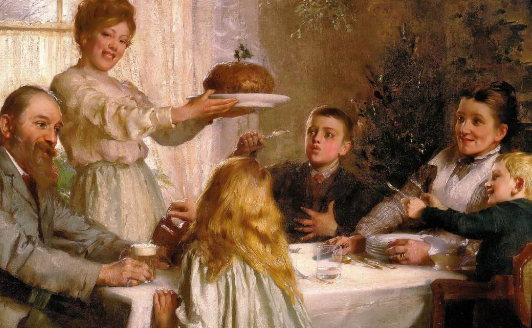
Charles Dickens is renowned for his vivid portrayal of Victorian society, and one recurring theme throughout his works is the significance of family. In his novels, family often serves not just as a backdrop but as a fundamental element that shapes characters’ identities, influences their decisions, and ultimately reflects societal values.
1. The Impact of Dysfunctional Families
Dickens frequently illustrates the struggles and heartaches that arise from dysfunctional family dynamics. In novels like “David Copperfield,” the protagonist grapples with the effects of his mother’s abusive relationship and the subsequent absence of paternal support. This lack of a nurturing family environment profoundly affects David’s development, underscoring the idea that family support is crucial for emotional and psychological well-being.
Moreover, “Great Expectations” presents a compelling example of how dysfunction can lead to isolation. Pip’s relationship with his convict benefactor, Magwitch, creates a distorted notion of family, complicating Pip’s quest for identity and belonging. These narratives depict how the absence or failure of familial bonds can leave characters feeling adrift, echoing the broader implications for society at large.
-
- Recognize the signs of dysfunction in family dynamics.
-
- Seek to understand characters’ backgrounds in Dickens’s novels for deeper insights.
-
- Acknowledge how these themes resonate with contemporary family challenges.
-
- Reflect on your own family relationships and their impact on your life.
2. The Idealization of Family Bonds
In stark contrast to the dysfunctional families, Dickens also presents idealized family units as a source of hope and resilience. In “Little Dorrit,” the close-knit relationship between Amy Dorrit and her father serves as a profound testament to love and loyalty. Despite their struggles with poverty and societal neglect, their bond remains unbreakable, showcasing how family can offer a sanctuary amidst adversity.
Similarly, “A Christmas Carol” beautifully illustrates this theme through the redemption of Ebenezer Scrooge. The Cratchit family’s warmth and love highlight the significance of familial ties as they care for one another under harsh circumstances. Even Scrooge, initially a symbol of social apathy, finds redemption and joy through his interactions with the Cratchits and his own transformed understanding of family.
-
- Explore the contrasting family dynamics in Dickens’s works for deeper understanding.
-
- Consider how Dickens uses family to convey themes of hope and resilience.
-
- Reflect on the positive aspects of family relationships that inspire growth.
-
- Apply these lessons of loyalty and compassion to your relationships.
3. Societal Reflection through Family Structures
Dickens’s novels not only depict family dynamics but also serve as a commentary on the societal structures affecting families during the Victorian era. In “Oliver Twist,” the orphaned protagonist navigates a world governed by class distinctions and systemic failures. The portrayal of orphanages and society’s neglect of vulnerable children underscores how class divides impact familial relationships.
Furthermore, in “Bleak House,” Dickens examines the complexities of familial obligations against the backdrop of the legal system. The Jarndyce case reflects the impact of societal systems on family structures, demonstrating how legal entanglements can create rifts within families. Through these narratives, Dickens urges readers to consider the interplay between societal forces and the family unit, advocating for reform and compassion.
-
- Analyze how societal issues influence family relationships in Dickens’s works.
-
- Consider the broader implications of economic and legal systems on familial bonds.
-
- Engage with historical context to deepen your understanding of the narratives.
-
- Advocate for social justice and reform in your community.
4. The Role of Chosen Families
Dickens also highlights the notion of chosen families, suggesting that bonds formed through friendship and loyalty can be just as significant as biological ties. In “The Pickwick Papers,” characters like Mr. Pickwick form a fraternity of sorts, suggesting that connections built on mutual respect and shared experiences can provide the same comfort and support as traditional family structures.
This theme recurs in “A Tale of Two Cities,” where characters such as Lucie Manette and Sydney Carton redefine what it means to care for one another. Their bond, forged through trials and tribulations, epitomizes the idea that family can extend beyond blood relations. In a society marked by upheaval, Dickens advocates for the importance of these connections, emphasizing their potential to bring healing and joy.
-
- Recognize the value of friendships and chosen families in your life.
-
- Engage in community activities to form supportive connections.
-
- Celebrate and nurture relationships that bring joy and companionship.
-
- Reflect on how you can be a source of support for others.
In conclusion, the role of family in Dickens’s novels presents a multifaceted exploration of human relationships. From the struggles of dysfunctional families to the warmth of chosen ones, Dickens provides valuable lessons about the importance of empathy, love, and resilience. As you delve into his works, take a moment to reflect on your own family dynamics and relationships, and consider how you can foster growth and support within your community.