
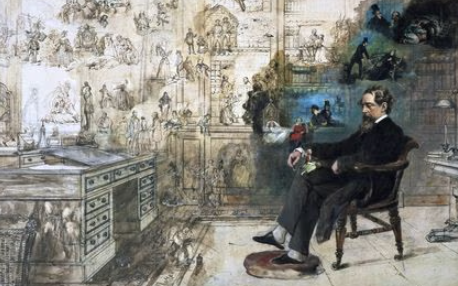
Charles Dickens is an iconic literary figure whose works have left a lasting impact on literature and society. His narratives are not only rich in storytelling but also dense with themes that resonate with readers even today. This blog will delve into the reasons why Dickens is often a staple in school curricula, exploring his literary merits and the societal lessons embedded within his works.
1. Rich Character Development
One of the primary reasons Dickens is frequently taught in schools is his unparalleled skill in creating memorable characters. From the downtrodden Oliver Twist to the manipulative Fagin, Dickens captures a broad spectrum of human personality and experience. Each character serves not only as a narrative device but also as a representation of various societal issues, making them relatable for students of all ages.
Through character analysis, students can explore the complexities of moral choices, social class, and human resilience. For example, Ebenezer Scrooge from “A Christmas Carol” shows a profound transformation from greed to generosity, prompting discussions about redemption and personal growth. By studying these characters, students can learn about empathy and the human condition.
-
- Encourage students to draw character maps to visualize relationships.
-
- Assign different characters for in-depth analysis.
-
- Host debates on characters’ decisions and motivations.
-
- Incorporate creative assignments like character diaries.
2. Social Commentary and Historical Context
Another reason Dickens’ work is often included in educational settings is his acute social commentary. Dickens wrote during the Industrial Revolution, a time rife with social inequality and injustice. His literature critiques poverty, child labor, and class disparity, shedding light on the harsh realities of his time. Students studying these texts gain insight into historical contexts that shaped modern society.
By understanding Dickens’ critiques through works like “Hard Times” and “David Copperfield,” students can draw parallels to contemporary issues. Discussions can arise on how societal structures affect individuals and how literature can inspire change. This explorative approach encourages students to think critically about their world and fosters a sense of social responsibility.
-
- Research the historical background of Dickens’ era.
-
- Facilitate discussions on parallels to current social issues.
-
- Encourage students to write reflective essays on societal injustices inspired by Dickens’ work.
-
- Include multimedia resources for richer context.
3. Mastery of Language and Style
Dickens’ writing style is another vital component of his educational value. His use of vivid imagery, intricate plots, and engaging dialogue helps to enhance students’ appreciation of language. By studying the rhythm and cadence of his prose, students can develop their linguistic skills and become more insightful readers and writers. His distinct narrative voice often engages students, keeping them captivated.
Furthermore, Dickens employs various literary devices such as irony, satire, and allegory, cultivating students’ analytical skills. Analyzing passages from “Great Expectations” or “Bleak House” can expose students to advanced literary techniques while grounding them in appreciation for classic literature. This helps in preparing them for higher-level literary studies in the future.
-
- Engage students in close readings of selected passages.
-
- Discuss the impact of literary devices on storytelling.
-
- Incorporate creative writing exercises inspired by Dickens’ style.
-
- Promote peer reviews to enhance editing and critique skills.
4. Timeless Themes and Moral Lessons
Dickens’s works are also celebrated for their exploration of timeless themes such as friendship, love, redemption, and the struggle between good and evil. These themes resonate across generations, allowing students to connect emotionally with the narratives. Exploring these themes helps students ponder their own values and ethics, fostering self-reflection and moral reasoning.
For instance, the theme of compassion versus cruelty in “Oliver Twist” can spark conversations about kindness in our daily lives. Engaging with these messages can deepen students’ understanding of morality while encouraging them to cultivate positive character traits. Such discussions can serve as a springboard for broader conversations about ethical behavior and civic responsibility.
-
- Organize groups to discuss themes in relation to personal experiences.
-
- Encourage students to create presentations on how themes manifest in their lives.
-
- Facilitate journaling sessions to reflect on moral lessons learned.
-
- Utilize quotes from Dickens to inspire philosophical discussions.
5. Engaging Storytelling
Last but not least, Dickens has an extraordinary ability to weave engaging narratives filled with suspense, humor, and emotional depth. His storytelling techniques captivate readers, making them want to explore the outcomes of his intricate plots. Teaching students about narrative structure through Dickens not only makes literature accessible but also teaches essential storytelling elements that are vital in creative writing.
By exploring the structures of Dickens’ stories, such as multiple intersecting plot lines, students can learn how to effectively build tension and develop their own narratives. Moreover, his iconic cliffhangers and resolutions provide opportunities for students to analyze how storytelling techniques can manipulate reader emotions, an invaluable skill for future writers.
-
- Introduce basic narrative structure through his plots.
-
- Conduct group readings followed by discussions on plot development.
-
- Encourage students to experiment with their own storytelling techniques.
-
- Utilize story mapping to track plot elements.
In conclusion, Charles Dickens is often taught in schools not only for his rich storytelling but also for the invaluable lessons embedded in his characters and themes. By examining his works, students gain insights into human nature and society, equipping them with tools for critical thinking. It is recommended that educators continue to explore Dickens in the classroom to foster a lifelong appreciation for literature and its impact on culture.