
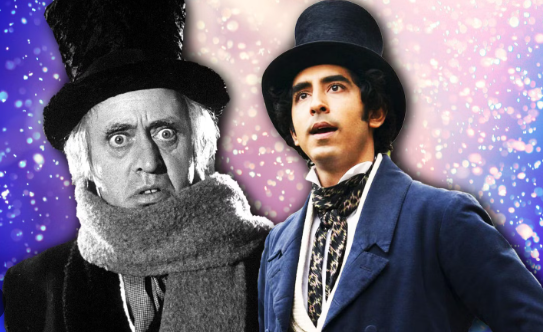
Charles Dickens remains one of the most beloved authors in literary history, with his works frequently adapted into films, television adaptations, and even stage plays. His novels often tackle social issues and embody richly drawn characters, making them timeless and appealing for adaptation. In this blog post, we will explore some of Dickens’s most adapted novels, examining what makes each of them special and how they have successfully transformed over the years.
1. A Christmas Carol
A Christmas Carol is perhaps Dickens’s most famous novel, first published in 1843. This novella has been adapted countless times into films, stage productions, and even animated features. The story follows Ebenezer Scrooge, a miserly man who learns the meaning of compassion and generosity after being visited by the ghosts of Christmas Past, Present, and Yet to Come. The novella’s universal themes of redemption, kindness, and the Christmas spirit ensure it remains a favorite for both audiences and creators.
Many adaptations take creative liberties with the characters and settings, often incorporating music and additional storylines. The most notable adaptations include the classic 1951 film starring Alastair Sim and the animated version featuring Jim Carrey as Scrooge. Additionally, the story has entered popular culture, inspiring countless references to Scrooge himself as a symbol of greed and transformation.
-
- Watch different adaptations to see how they interpret the characters.
-
- Read the original text to grasp the nuances of Dickens’s writing.
-
- Consider how the themes of the story apply to modern society.
-
- Explore merchandise and charity events inspired by the story.
2. Great Expectations
Another of Dickens’s most adapted novels, Great Expectations, tells the coming-of-age story of an orphan named Pip who embarks on a journey of self-discovery. First published in 1860, this novel has resonated with readers across generations, making it a frequent choice for adaptation. The complex relationships and character arcs, especially between Pip and Estella, have provided fertile ground for filmmakers and dramatists.
Notably, the 1946 film adaptation is already considered a classic, while modern retellings like the 2012 film starring Jeremy Irvine and the 1998 contemporary adaptation, “Great Expectations,” featuring Ethan Hawke, showcase the story’s versatility. Each adaptation varies significantly, with some focusing on the gothic elements while others highlight character transformations and moral lessons. Therefore, it’s fascinating to see how different eras interpret Pip’s expectations and ambitions.
-
- Analyze character development in various adaptations.
-
- Explore themes of social mobility and personal growth.
-
- Discuss the symbolic meanings of objects like Pip’s “great expectations.”
-
- Engage in discussions or book clubs about your favorite adaptations.
3. Oliver Twist
Published in 1837, Oliver Twist remains one of Dickens’s most powerful critiques of social justice. The story follows a young orphan who escapes from a workhouse and meets a variety of characters in London, including the infamous Fagin. Its unique blend of adventure and social commentary makes it a compelling choice for adaptation. The novel has spawned numerous films, stage adaptations, and even musicals.
The 1968 musical film, “Oliver!,” brought the story to a wider audience, blending memorable songs with Dickens’s narrative. More contemporary versions, like the 2005 film “Oliver Twist” directed by Roman Polanski, focus on the more dramatic aspects of the narrative. Each adaptation reflects shifting societal views on poverty, child labor, and orphanhood, showcasing the story’s relevance across time and culture.
-
- Explore adaptations from different cultural backgrounds.
-
- Discuss how each adaptation portrays themes of compassion and injustice.
-
- Examine character motivations and development in various films.
-
- Reflect on the challenges of adapting such a morally complex story.
4. David Copperfield
Another literary gem from Dickens, David Copperfield was published in 1850 and serves as a semi-autobiographical account of his life. The novel follows David’s journey from childhood to adulthood, exploring themes of resilience, love, and ambition. This coming-of-age tale features a rich tapestry of characters who exemplify the social dynamics of Victorian England, making it a favorite for both readers and adaptations.
Adaptations of David Copperfield include the 1935 film and the more recent 2019 film that introduced the story to a new generation. Each adaptation embraces the rich emotional depth of the characters while dealing with the challenges of life. Modern variations often bring a fresh perspective, offering new insights into the timeless struggles and triumphs depicted in the novel.
-
- Identify recurring themes such as resilience and friendship.
-
- Compare and contrast different characters and their portrayals.
-
- Discuss how the narrative reflects Dickens’s own experiences.
-
- Engage with adaptations that offer new spins on the classic story.
Charles Dickens’s novels continue to capture hearts and inspire creativity through varied adaptations. Their themes remain relevant, and they offer rich material for both discussion and analysis. The next time you engage with one of Dickens’s works, consider how different adaptations bring new interpretations to these timeless tales.