
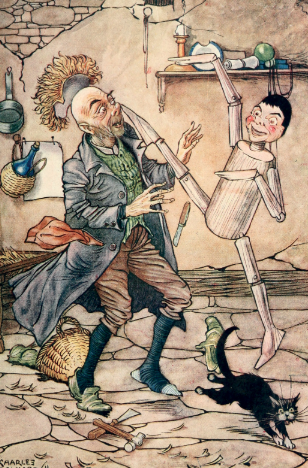
Many readers think of Pinocchio, the puppet whose nose grows longer when he lies and who longs to be a real boy. However, the original Adventures of Pinocchio was not as gentle as the modern animated adaptation; it was full of danger, deception, punishment, and complex relationships.
This classic fairy tale, created by Italian author Carlo Collodi, not only reflects 19th-century Italian social life but also explores themes of child development, family responsibility, and moral education through the puppet’s series of wrong choices.
1. The Origins of the Original Pinocchio Fairy Tale
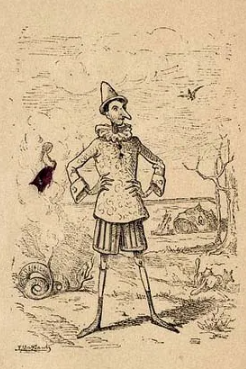
Pinocchio first appeared in the Italian children’s magazine Giornale per i Bambini in 1881, initially serialized as Storia di un burattino (The Story of a Puppet).
In 1883, the complete work was published under the title Le avventure di Pinocchio (The Adventures of Pinocchio).
The protagonist of the story is a puppet made by the carpenter Geppetto. Unlike ordinary toys, Pinocchio could speak, move, and had his own thoughts from the moment he was sculpted.
Colodi did not portray him as a completely obedient child. Instead, Pinocchio is very mischievous, easily trusting of strangers’ promises, and often neglecting his father’s sacrifices for immediate pleasure.
These character traits drive his subsequent adventures and give the story a distinct educational and satirical tone.
2. What are some unexpectedly dark aspects of the original Pinocchio story?
Many plot points in the original story were weakened or modified in later children’s films.
One famous plot point is the conflict between Pinocchio and the talking cricket. When the cricket advises him to live a serious life and receive an education, Pinocchio, unwilling to listen to advice, kills it with a mallet.
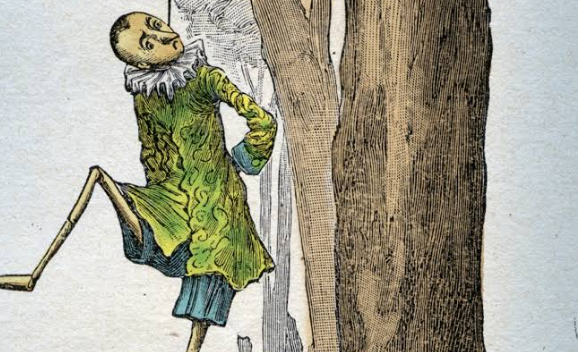
In the initial 15th chapter of the story, there was also a scene where Pinocchio was hung from a large oak tree by robbers disguised as a fox and a cat. As the series continued, Pinocchio gained more opportunities to grow.
Another memorable story is the Land of Toys. There are no schools or homework; children can play all day, but they eventually turn into donkeys.
These plots carry a clear cautionary message, using exaggerated punishments to illustrate the potential consequences of shirking responsibility, blindly trusting others, and indulging in unrestrained behavior.
3. What does Pinocchio’s long nose signify in the original story?
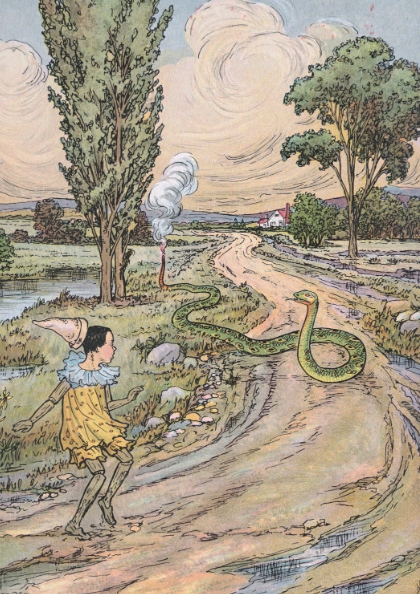
The long nose is Pinocchio’s most recognizable physical feature and has become the most famous literary symbol of the fairy tale.
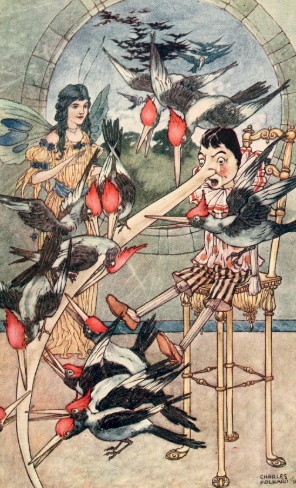
Early in the story, when Geppetto was carving the puppet’s nose, it grew uncontrollably. Later, when Pinocchio concealed the whereabouts of the gold coins from the Blue Fairy, his nose again grew longer due to the lie.
It’s important to note that the original story doesn’t specify that Pinocchio’s nose grows every time he lies. The more familiar phrase in modern popular culture, “lying causes a nose to grow,” is a generalization of a specific plot point in the original story.
As classic literature is constantly adapted, the long nose has become an important symbol for artists to express deception, temptation, and moral choices.
For example, Dutch artist Wouter Houten’s Life Is a Gamble features a long-nosed figure reminiscent of Pinocchio, incorporating elements such as dice and playing cards to discuss luck and choices in life. Related Pinocchio Statue examples demonstrate how this literary character can be reinterpreted as contemporary bronze sculpture.

4. What are the key differences between the original story and the Disney animation?
In 1940, Disney adapted The Adventures of Pinocchio into an animated film, giving this Italian literary character wider international recognition.
The animation retained core elements such as Geppetto, the Blue Fairy, the Cricket, and Pinocchio becoming a true boy, but adjusted the characters’ personalities and plot.
The Pinocchio in the original story is more impulsive and willful, while the Disney version emphasizes his innocence and kindness. Jiminy Cricket in the animation is portrayed as a friend who accompanies the protagonist through his growth, a significant departure from the Cricket’s experiences in the original story. Furthermore, the film strengthens family bonds through music and a more focused narrative structure, making the story more suitable for a wider family audience.
For those wishing to gain a deeper understanding of the Pinocchio character, reading Collodi’s original story can help readers explore the more complex literary world beyond the film.
5. Why is the original Pinocchio fairy tale still worth reading?
The Adventures of Pinocchio is not only a fairy tale about honesty, but also a coming-of-age novel depicting how children understand society and take responsibility.
Pinocchio in the story is constantly tempted by money, entertainment, and an easy life, yet he gradually changes after experiencing danger and setbacks.
At the end, he begins to work hard, care for his father, and proves his growth through his actions, ultimately becoming a real boy.
From a literary perspective, this change means that Pinocchio no longer merely relies on the help of others, but gradually becomes able to take responsibility for his own actions.
For today’s readers, the value of the Original Pinocchio Fairy Tale lies in its acceptance of the mistakes and costs of growing up. Through the fantastical adventures of a puppet, Collodi weaves themes of honesty, responsibility, family relationships, and personal choices into a classic story that remains relevant and engaging even today.