
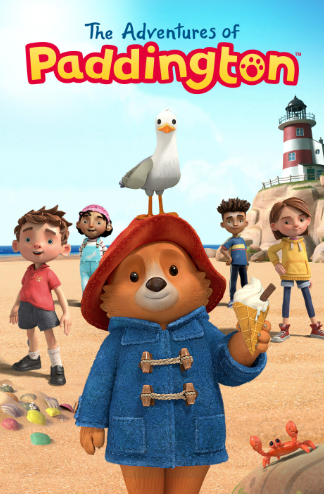
A little bear from Peru, wearing an old hat and carrying a suitcase, arrives alone in London. In this unfamiliar city, he meets a family willing to take him in, and his curiosity and kindness lead to a series of hilarious and heartwarming events. This is the starting point of the story of Paddington Bear, a classic character in British children’s literature.
Adventure of Paddington not only evokes images of humorous everyday adventures but also embodies themes of friendship, family, acceptance, and growth in children’s literature. Since its first storybook in 1958, Paddington Bear has gradually become a classic literary character that resonates with generations of readers.
1. The Literary Origins of Adventure of Paddington
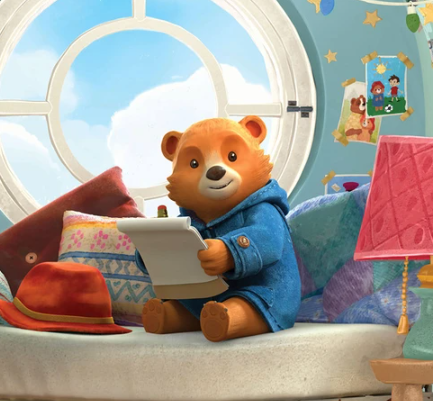
Paddington Bear was created by British author Michael Bond and first appeared in the 1958 publication of A Bear Called Paddington.
The story begins at Paddington Station in London. The Browns find a bear cub sitting alone near a train platform, a tag around its neck requesting care.
The cub, from Peru, is taken to the Browns’ home in Windsor Gardens and named Paddington after the station where they met.
The original story uses a relatively independent short story structure, each chapter typically revolving around an everyday experience. Whether shopping, traveling, or participating in family activities, Paddington always manages to create unexpected situations due to his misunderstanding of his surroundings.
These simple plots, through dialogue and humorous misunderstandings, create a unique reading experience.
2. What are some of Paddington Bear’s classic adventure stories?
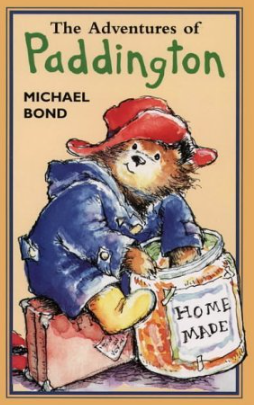
In A Bear Called Paddington, Paddington encounters numerous new things during his first experience in London.
For example, while shopping in a department store, he gets confused because he’s unfamiliar with trying on clothes and shopping rules; his first time riding the Underground also leads to amusing accidents due to his lack of understanding of ticketing and the transport system.
These experiences aren’t traditional heroic adventures, but rather imaginative stories that transform ordinary everyday problems.
Subsequent books like More About Paddington and Paddington Helps Out continue to tell the story of his interactions with the Brown family, his neighbor Mr. Curry, and the antique shop owner Mr. Gruber.
Paddington often makes mistakes, but usually with good intentions. He’s willing to help others and takes his mistakes seriously, giving the character both childlike innocence and strong moral character.
3. Why is Paddington Bear so memorable?
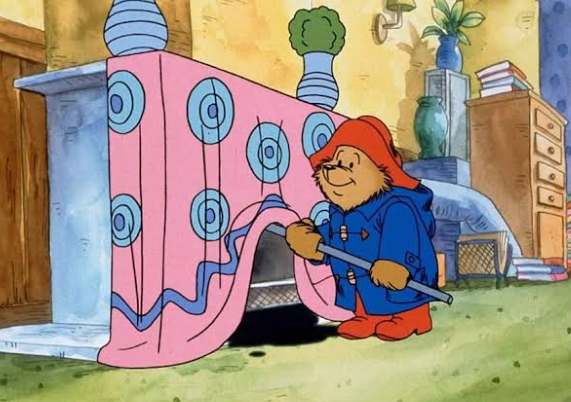
Classic children’s literature characters often possess unique appearances and personalities, and Paddington Bear combines both very naturally.
His iconic blue duffle coat, red hat, suitcase, and marmalade sandwich are all closely related to his experiences in the stories. The hat and suitcase, in particular, easily remind readers of his initial arrival in London.
While Paddington’s appearance has varied in different editions of the books, his main features have always been retained.
As the influence of literary works has expanded, this image has also entered the fields of animation, film, and sculpture. For example, the creation of the Paddington Bear Statue demonstrates how, through clay sculpting, mold making, and fiberglass molding, the costumes, facial expressions, and body proportions of a literary character can be transformed into a three-dimensional sculpture.
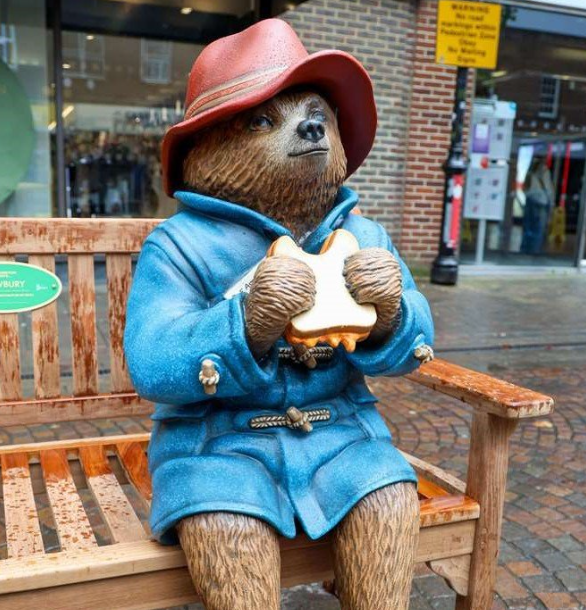
This transformation from textual description to visual image also illustrates the important role of illustration design in the dissemination of children’s literature.
4. Who are Paddington Bear stories suitable for?
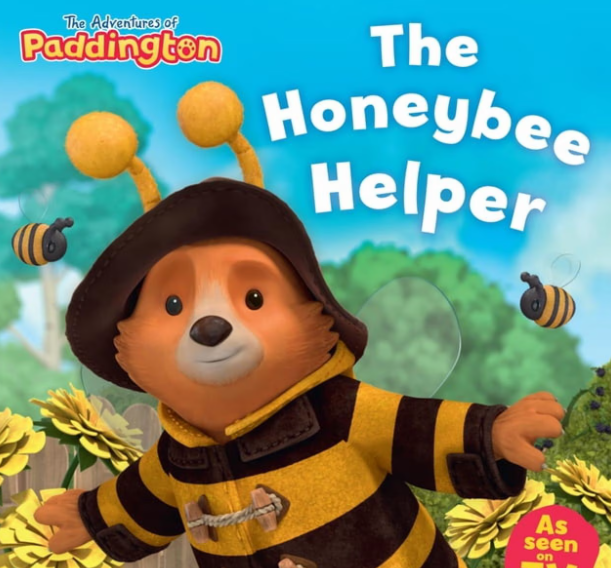
The Paddington Bear series is especially suitable for children who enjoy humorous stories and everyday adventures.
The original works employ a relatively clear narrative structure with stable character relationships. Each story typically focuses on a specific event, making it suitable for chapter-by-chapter reading.
For younger children, parents can choose illustrated versions, using character actions, expressions, and scenes to aid comprehension.
For children who have already developed independent reading abilities, the misunderstandings, puns, and details of British life in the original works provide opportunities for further understanding of language and culture.
Adult readers can also find themes related to immigration, family acceptance, and social etiquette within the stories. As a newcomer to the world, Paddington, though often misunderstanding local customs, always interacts with those around him with politeness and kindness.
5. Why have Paddington’s adventures become classics?
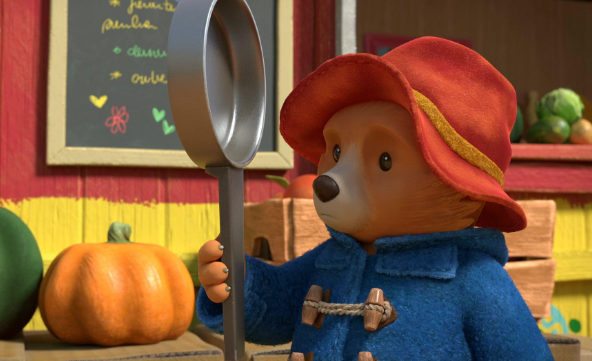
Unlike many children’s books that rely on magic or intense conflict, Paddington Bear’s stories primarily find enjoyment in ordinary family life.
Michael Bond combines a child’s curiosity about the world, the social rules established by adults, and misunderstandings between different cultural backgrounds, making mundane daily activities dramatic.
More importantly, Paddington’s kindness is not diminished by his frequent mistakes. He may misunderstand the rules and cause trouble, but he is always willing to help others and takes his friends and family seriously.
From A Bear Called Paddington to later series, Paddington Bear’s adventures remind readers that stories worth telling don’t necessarily take place in faraway fantasy worlds; a strange journey, an unexpected misunderstanding, or a sincere act of help can all become unforgettable literary experiences.