
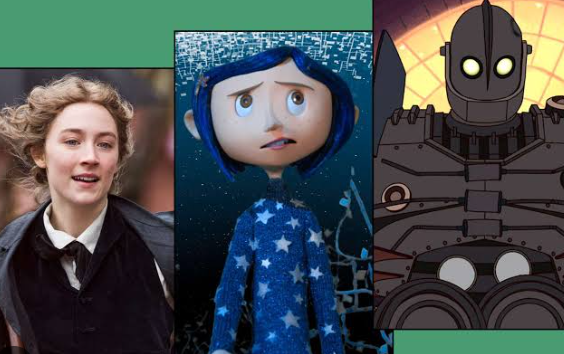
Books have a profound ability to inspire creativity, giving life to memorable movie characters that resonate with audiences. In this blog post, we’ll explore several iconic characters and the literary works that shaped their journeys on the silver screen.
1. Atticus Finch from “To Kill a Mockingbird”
Atticus Finch, portrayed by Gregory Peck in the 1962 film adaptation of Harper Lee’s “To Kill a Mockingbird”, is a beacon of moral integrity and justice. The character, a lawyer in the racially tense South, is committed to defending an innocent Black man accused of rape. Atticus embodies wisdom, compassion, and a fierce dedication to human rights, epitomizing the struggle against racial injustice.
The portrayal drew heavily from the book, where Finch’s principled stand against societal norms captures the essence of heroism. His challenging conversations with his children, Scout and Jem, provide crucial lessons about empathy and understanding. This literary foundation has planted seeds of dialogue about morality in countless generations.
-
- Read the book to understand the full depth of Atticus’s character.
-
- Reflect on the moral challenges faced in your own community.
-
- Engage in discussions about justice and inequality.
-
- Explore legal histories to understand the context of the story.
2. Elizabeth Bennet from “Pride and Prejudice”
Elizabeth Bennet, brought to life by Keira Knightley in the 2005 adaptation of Jane Austen’s “Pride and Prejudice”, is one of literature’s most beloved heroines. Her character exemplifies wit, independence, and a strong sense of self. At a time when women had limited rights, Elizabeth’s individuality and sharp intellect set her apart, presenting a profound commentary on social class and gender roles.
The film captures Elizabeth’s journey from misjudgment to understanding, particularly around her relationship with Mr. Darcy. Austen’s intricate dialogues and rich characterizations allow readers to delve into Elizabeth’s inner world, making her personal growth relatable and engaging. The combination of humor and sentiment makes this classic story timeless.
-
- Watch the film and compare it to the book to spot differences.
-
- Discuss the representations of women in literature and film.
-
- Identify traits in Elizabeth that resonate with your own experiences.
-
- Consider writing about your own journey of self-discovery.
3. Jay Gatsby from “The Great Gatsby”
F. Scott Fitzgerald’s “The Great Gatsby” introduces us to Jay Gatsby, an enigmatic character brought to life by Leonardo DiCaprio in the 2013 film adaptation. Gatsby embodies the American dream, showcasing the allure and eventual disillusionment that often accompany wealth and success. His extravagant parties and mysterious persona draw the attention of society, but beneath the surface lies a tragic story of unrequited love and ambition.
The great irony of Gatsby’s life is that despite his wealth, he is perpetually isolated and unfulfilled. Fitzgerald’s clever commentary on the Jazz Age and the pursuit of happiness provides a critical lens through which to view American society. As viewers and readers, we’re compelled to question the true nature of success and what it means to belong.
-
- Delve into the themes of ambition and isolation.
-
- Analyze the symbology of the green light in the story.
-
- Reflect on your own definitions of success and fulfillment.
-
- Explore historical contexts that shaped the Jazz Age.
4. Harry Potter from “Harry Potter” series
J.K. Rowling’s “Harry Potter” series introduced readers to the young wizard Harry Potter, a character that found a vibrant voice through actors like Daniel Radcliffe in the movie adaptations. Harry’s journey from an orphaned boy living under the stairs to a formidable wizard reflects themes of friendship, bravery, and the struggle against evil. His character resonates with countless fans who see their own experiences mirrored in his growth.
Throughout the series, Harry’s challenges— from facing Voldemort to navigating the complexities of adolescence—are at the forefront. The narrative encourages readers to embrace their differences and fight for what is right, fostering lessons of courage and loyalty. The interplay between friendship and facing adversity makes Harry’s story universally applicable.
-
- Engage with the series to catch all the intricacies.
-
- Join a book club to discuss the themes and character developments.
-
- Reflect on your own friendships and how they shape you.
-
- Consider how you deal with challenges in your life.
5. Scarlett O’Hara from “Gone with the Wind”
Scarlett O’Hara, famously portrayed by Vivien Leigh in the classic film “Gone with the Wind”, remains a complex and controversial figure. As the headstrong daughter of a plantation owner, her character is defined by her obsession with Ashley Wilkes and her fierce determination to survive the Civil War. Scarlett’s journey through heartbreak, loss, and resilience presents a multifaceted view of strength in adversity.
Margaret Mitchell’s novel highlights not only Scarlett’s personal struggles but also the broader societal shifts occurring during and after the war. Her character challenges traditional notions of femininity and showcases the nuances of survival. By crafting a compelling story of ambition and moral ambiguity, Scarlett O’Hara serves as a reflection of a tumultuous time in American history.
-
- Explore themes of survival against societal expectations.
-
- Reflect on the evolution of gender roles over time.
-
- Analyze how Scarlett’s choices affect those around her.
-
- Consider creating your own narrative of resilience.
In conclusion, literature has an unparalleled ability to inspire and shape iconic movie characters. By reading these transformative works, you can gain a deeper understanding of the complexities each character presents. So, immerse yourself in these stories, and discover the rich worlds that not only entertain but also enlighten.