
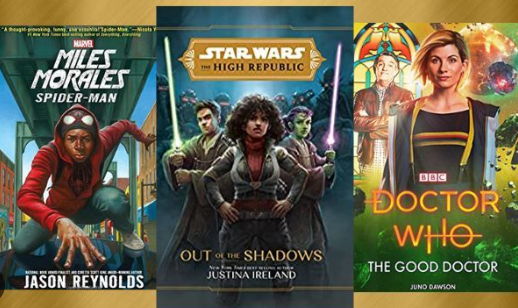
Books have long served as the foundation for some of the most beloved movie franchises. The transition from page to screen often brings forth iconic characters, unbelievable worlds, and timeless stories that resonate with audiences. In this blog post, we’ll explore a few notable franchises that originated from literary works, highlighting their unique influences and contributions to film.
1. Harry Potter
The Harry Potter series, penned by J.K. Rowling, is arguably one of the most successful franchises in history. Spanning seven books, the saga follows the adventures of a young wizard, Harry Potter, as he battles the dark forces led by Voldemort. Each book contributes to character growth and world-building, making the transition to film rich with potential, leading to eight captivating movies that have enchanted fans worldwide.
Key elements like the magical settings, intricate character relationships, and moral dilemmas resonate deeply within the stories. This depth not only attracted a massive following but also allowed filmmakers to delve into a range of themes such as friendship, sacrifice, and the struggle between good and evil, making each film an emotionally charged experience.
-
- Read the books to understand character backgrounds.
-
- Watch the films to catch visual nuances not described in the text.
-
- Engage in discussions with fellow fans about interpretations.
-
- Explore fan theories to deepen your appreciation.
2. The Lord of the Rings
J.R.R. Tolkien’s epic saga, “The Lord of the Rings,” is another monumental work turned film franchise that beautifully translates its richly woven narrative onto the screen. The trilogy follows the quest to destroy the One Ring, capturing themes of heroism, friendship, and the eternal battle between good and evil. Peter Jackson’s film adaptations are renowned for their stunning visuals and epic storytelling, bringing Middle-earth to life in ways that captivated audiences everywhere.
The films not only stay true to the spirit of the books but also expand on certain elements through spectacular cinematography and compelling performances. The detailed settings and mythical creatures, such as orcs, elves, and dragons, allow viewers to immerse themselves fully in Tolkien’s intricate world, providing a backdrop that enhances the storytelling experience.
-
- Compare the films and books for differences in storytelling.
-
- Explore Tolkien’s history of world-building for deeper insights.
-
- Watch behind-the-scenes documentaries to appreciate the film’s making.
-
- Participate in themed events or conventions to connect with fellow fans.
3. The Hunger Games
Suzanne Collins’ “The Hunger Games” trilogy presents a stark vision of a dystopian future where the government controls its citizens through brutal games. The story revolves around Katniss Everdeen, who volunteers to take her sister’s place in a fight to the death. The themes of survival, rebellion, and the impact of war resonated widely, allowing for successful film adaptations starring Jennifer Lawrence.
The movies effectively convey the real-life implications of oppressive regimes and have sparked conversations about social justice. Through thrilling action scenes and strong character arcs, they bring Collins’ messages of empowerment and resilience to the forefront, making them not just entertainment but also a catalyst for dialogue on important issues.
-
- Analyze the character development between the books and films.
-
- Discuss the social themes presented with friends or in forums.
-
- Watch interviews with the cast to gain perspectives on their roles.
-
- Engage in community events that address themes from the franchise.
4. Jurassic Park
Michael Crichton’s novel “Jurassic Park” introduced readers to the thrilling concept of cloning dinosaurs from ancient DNA, bringing them to life in a modern world. The 1993 film adaptation directed by Steven Spielberg transformed this fascinating plot into a cinematic phenomenon. It not only redefined the action-adventure genre but also introduced groundbreaking special effects that created lifelike dinosaurs, captivating audiences of all ages.
The suspenseful narrative, combined with ethical questions surrounding science and technology, strikes a chord with viewers, making the film series one of the most prominent franchises. As the sequels followed, they continued to explore themes of nature versus science, ensuring that the conversation around the inherent dangers of playing god remained engaging and thought-provoking.
-
- Read Crichton’s novel to grasp the detailed scientific concepts.
-
- Watch the original and subsequent films to see the evolution of the franchise.
-
- Participate in discussions about the ethical implications of genetic engineering.
-
- Take note of how the films adapt and expand upon Crichton’s story.
In conclusion, these franchises serve not only as entertaining films but also as catalysts for cultural conversation and exploration of deep-seated themes. Delving into the original books can enhance your understanding and appreciation of the cinematic adaptations. So, grab a book to start your journey and consider how these stories resonate with your own experiences or societal issues today.