
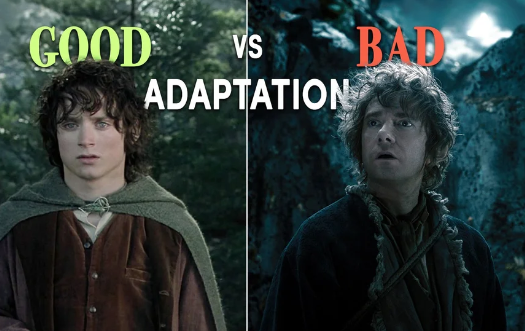
Books and movies are two powerful forms of storytelling, each with its unique strengths. While many films are adaptations of beloved books, the transformation from page to screen can lead to significant differences in narrative depth, character development, and thematic execution.
1. Character Development: Depth vs. Brevity
One of the most notable differences between books and their movie adaptations is character development. In novels, authors often delve deeply into a character’s thoughts, backstory, and motivations, allowing readers to form a profound connection. For instance, in the book “Harry Potter and the Order of the Phoenix,” Harry’s emotional struggles and character growth are explored in detail, which adds layers to his journey. In comparison, the movie must condense these elements due to time constraints, often resulting in a more superficial portrayal of characters.
Moreover, complex characters in books provide a rich tapestry that the audience can explore at their own pace. For instance, the character of Elizabeth Bennet in “Pride and Prejudice” is granted ample space for development, revealing her wit and depth throughout the pages. In film adaptations, this internal complexity can be challenging to portray, leading to characters feeling flatter than their literary counterparts.
-
- Read the book first for deeper character insights.
-
- Note how the film alters character traits or backstory.
-
- Consider the impact of pacing on character development.
-
- Identify any character arcs that were omitted or simplified in the film.
2. World-Building: Imagination vs. Visuals
World-building is another area where books often outshine their film adaptations. A well-crafted novel can create an expansive universe that readers perceive uniquely based on their imagination. For example, J.R.R. Tolkien’s “The Lord of the Rings” series builds an intricate world filled with its own languages, histories, and cultures that the reader actively constructs in their mind. On the flip side, the film adaptations utilize special effects and cinematography to visually represent Middle-earth, which, while stunning, can limit the viewer’s imagination.
In film adaptations, the filmmakers make specific choices about visuals and settings, which may not align with every reader’s vision. By visually interpreting these worlds, films can sometimes gloss over pivotal details that bring these settings to life in the books. For instance, in the adaptation of “The Golden Compass,” the movie lacked some of the nuance present in Philip Pullman’s detailed world, which some fans felt diminished the story’s essence.
-
- Pay attention to how the film represents the book’s world.
-
- Take note of omitted settings or creatures in adaptations.
-
- Compare character interactions that reveal world elements in books.
-
- Reflect on how visuals impact your understanding and enjoyment of the world.
3. Themes and Messages: Nuance vs. Simplification
Both books and films often explore similar themes, but the depth of these messages can differ significantly. A book might intricately weave various themes throughout its narrative, offering nuance and inviting discussion. For example, the theme of identity in “The Catcher in the Rye” is explored through Holden’s struggles, which is beautifully articulated over many pages. In contrast, a movie adaptation may only touch on key themes, potentially oversimplifying complex ideas due to time limitations and audience expectations.
Additionally, the interpretation of themes can be influenced by the director’s vision in adaptations. In films, some thematic elements might be emphasized more to cater to a broader audience or to fit the cinematic style. For instance, the adaptation of “The Great Gatsby” puts more focus on the glamour and excess of the Roaring Twenties, somewhat overshadowing the intricate critiques of society present in Fitzgerald’s writing.
-
- Examine how themes are presented in the book and film.
-
- Identify any themes that were downplayed or altered in the adaptation.
-
- Look for dialogue or scenes that express key ideas in the book.
-
- Discuss with others to gain diverse perspectives on the themes.
In conclusion, both books and their movie adaptations offer unique experiences for audiences. While books provide depth in character development, world-building, and thematic exploration, movies present a visual spectacle that can bring stories to life in a different yet equally enjoyable way. If you’re eager to delve deeper into these narratives, consider reading the books alongside their adaptations for a rich, comparative experience.