
Books have long been a treasure trove of inspiration for filmmakers, providing rich narratives that bring to life unforgettable characters and nuanced emotional journeys. Many award-winning performances in films can be traced back to the pages of literary masterpieces, illustrating how stories can transcend mediums and captivate audiences in various forms.
1. The Great Gatsby: A Timeless Tale of Excess
F. Scott Fitzgerald’s “The Great Gatsby” is deeply woven into the American literary fabric, exploring themes of wealth, love, and the American Dream. The 2013 film adaptation directed by Baz Luhrmann featured Leonardo DiCaprio in one of his most iconic roles as Jay Gatsby. DiCaprio’s portrayal received critical acclaim and showcased a visionary interpretation of Fitzgerald’s complex protagonist, bringing the tumultuous emotions of the Jazz Age to the screen.
The film’s vibrant visuals combined with a modern soundtrack enhanced the essence of Fitzgerald’s narrative, while the performances captured the underlying despair and ambition of the characters. The atmospheric storytelling not only paid homage to the original novel but also redefined Gatsby’s world for contemporary audiences, proving that even decades after its publication, the story remains relevant and gripping.
-
- Read the original novel for deeper character insights.
-
- Watch different adaptations to understand varying interpretations.
-
- Explore the historical context of the Jazz Age for added depth.
-
- Analyze how music affects the emotional impact of film adaptations.
2. To Kill a Mockingbird: A Heartfelt Exploration of Justice
Harper Lee’s “To Kill a Mockingbird” is a seminal work that addresses racial injustice and moral growth through the eyes of a child. The 1962 film adaptation, featuring Gregory Peck as Atticus Finch, won three Academy Awards and solidified Peck’s status as a legendary actor. His nuanced performance presented Atticus as a pillar of integrity and compassion, qualities that resonated deeply with audiences and critics alike.
The story’s themes of empathy and understanding, alongside Peck’s powerful depiction of a father fighting against societal prejudices, highlight the importance of moral courage. The film not only complemented the book but also sparked critical conversations about race and morality that are still relevant today, ensuring its place in both literature and cinema history.
-
- Discuss the moral implications of characters’ decisions in book and film.
-
- Explore variations in character portrayal between the book and film.
-
- Engage in conversations about social issues raised in the story.
-
- Reflect on your own experiences with justice and empathy.
3. The Silence of the Lambs: Psychological Thrills and Chilling Performances
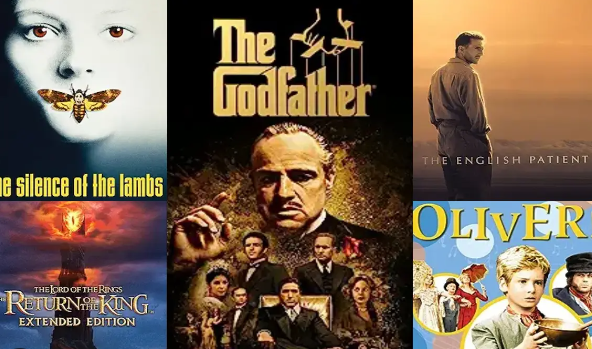
Adapted from Thomas Harris’s novel, “The Silence of the Lambs” became a cultural phenomenon after its release in 1991. Jodie Foster’s portrayal of Clarice Starling garnered immense acclaim, leading to an Oscar win for Best Actress. The film also showcased Anthony Hopkins’ chilling performance as Dr. Hannibal Lecter, solidifying his character as one of cinema’s greatest villains.
The film’s psychological depth, paired with Harris’s intricate storytelling, made it a compelling watch. Foster’s and Hopkins’ performances explored the complexities of their characters in a cat-and-mouse dynamic that leaves viewers captivated. This adaptation exemplifies how terrifyingly engaging the interplay between good and evil can be when well-executed on screen.
-
- Read the book to understand the characters’ motivations fully.
-
- Watch behind-the-scenes footage to learn about filming techniques.
-
- Consider the psychological elements of suspense and horror in storytelling.
-
- Discuss the impact of the characters beyond the horror genre.
4. The Shawshank Redemption: A Tale of Hope and Friendship
Based on Stephen King’s novella “Rita Hayworth and Shawshank Redemption,” this film has transcended its initial box office performance to become a classic. Tim Robbins’ portrayal of Andy Dufresne and Morgan Freeman’s role as Red received widespread acclaim, with Freeman earning an Oscar nomination for his compelling performances. Their friendship, forged in the oppressive environment of Shawshank Prison, serves as the emotional core of the story.
The film explores themes of hope, resilience, and redemption, offering a profound reflection on the human spirit. The storytelling, enhanced by Robbins’ and Freeman’s nuanced performances, resonated with audiences and critics alike, turning what could have been a mere tale of misfortune into an uplifting narrative of perseverance against the odds.
-
- Reflect on themes of friendship and hope in the film and book.
-
- Note the character development and how it drives the narrative.
-
- Analyze the impact of setting on the story’s themes.
-
- Engage with the emotional experience the film offers compared to the book.
The intersection of literature and film continues to inspire and captivate audiences. As you explore these adaptations, consider diving back into the original texts to uncover the layers of storytelling that make them unforgettable. Whether it’s through complex characters or profound messages, the journey from page to screen enriches our understanding of both art forms.