
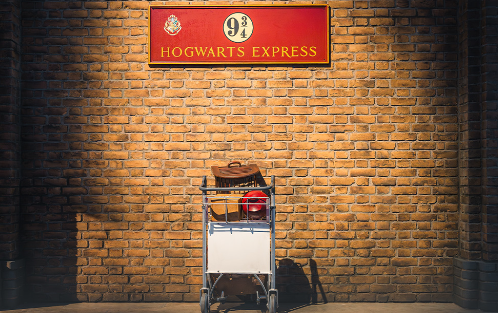
Books have a timeless charm, capturing the imagination of readers for generations. However, when these literary masterpieces transition to the big screen, they often achieve box office success that adds another layer to their popularity.
In this post, we’ll explore several notable examples of books that made a significant splash in theaters, highlighting how these adaptations became box office hits.
1. Harry Potter Series
The Harry Potter series by J.K. Rowling is one of the most successful book franchises in history, and its film adaptations were no different. Following the journey of a young wizard, Harry Potter, along with his friends Hermione Granger and Ron Weasley, the series captivated audiences around the globe. Each movie typically grossed over $800 million, with “Harry Potter and the Deathly Hallows – Part 2” surpassing $1.3 billion.
This success can be attributed to the rich world-building, relatable characters, and themes of friendship and bravery. The deliberate pacing and character development in the films closely followed the books, allowing fans to connect with the story in new ways while still feeling the nostalgia of the original texts.
- Read the books before watching the films for a deeper appreciation.
- Consider the differences between the book and film adaptations.
- Engage with fan communities for discussions.
- Create movie nights to enjoy the series with friends or family.
- Explore behind-the-scenes content for a richer experience.
2. The Lord of the Rings Trilogy
J.R.R. Tolkien’s epic fantasy series “The Lord of the Rings” was successfully adapted into a film trilogy directed by Peter Jackson. Released between 2001 and 2003, the films collectively grossed nearly $3 billion. The rich lore, breathtaking visuals, and complex characters made the adaptations immensely popular.
Part of the trilogy’s appeal lies in its meticulous attention to detail and dedication to Tolkien’s source material. The films expanded Tolkien’s universe while making it accessible to new audiences, and the combination of cutting-edge special effects and a powerful score added to the cinematic experience. These elements ensured that fans of the books were not disappointed.
- Watch the extended editions for more lore.
- Compare the book’s descriptions with the film’s visuals.
- Participate in fan events, like conventions or themed gatherings.
- Read supplementary materials, such as “The Silmarillion,” for a deeper understanding.
- Consider the cultural impact of the series and its themes.
3. The Hunger Games
Suzanne Collins’ “The Hunger Games” trilogy transformed into a box office phenomenon, touching on themes of survival, societal structure, and rebellion. The first film, released in 2012, grossed over $400 million domestically, igniting a passion for the dystopian genre in both young adults and older audiences.
Its success is partly due to Jennifer Lawrence’s powerful performance as the lead character, Katniss Everdeen. The film adaptation skillfully retained the book’s tension and urgency, showcasing the brutal reality of a dystopian society. The films, enhanced by a strong marketing campaign and the growing popularity of the YA genre, became cultural touchstones.
- Watch the movies with friends to discuss their impact.
- Read the sequels to enrich your understanding of the story arc.
- Analyze the social commentary embedded in the story.
- Prepare for the next film adaptations by revisiting the books.
4. To Kill a Mockingbird
Harper Lee’s classic “To Kill a Mockingbird” was adapted into a film in 1962, starring Gregory Peck as the iconic Atticus Finch. The film was well-received, earning three Academy Awards and grossing over $13 million—an impressive figure for its time. The themes of racial injustice and moral integrity resonated deeply with audiences and offered poignant reflections on American society.
The film captured the essence of Lee’s narrative, maintaining the emotional weight and significance of its characters and their struggles. By echoing the book’s humanistic values, it not only won critical acclaim but also attracted a broader audience, leading to renewed interest in the original text.
- Read the book alongside the film for enriched context.
- Discuss the film’s relevance to contemporary social issues.
- Explore various adaptations for a different perspective.
- Engage with community events that celebrate its legacy.
5. The Great Gatsby
F. Scott Fitzgerald’s “The Great Gatsby” has been adapted numerous times, but the 2013 version directed by Baz Luhrmann set a new standard for visual storytelling. Starring Leonardo DiCaprio, the film grossed over $350 million worldwide, thanks in part to its stunning visuals and contemporary soundtrack that attracted younger audiences.
This adaptation effectively merged the roaring twenties’ visual style with modern cinematic techniques. While some purists argued that it strayed from the source material, it sparked discussions about the American Dream and societal excess that resonated with both new viewers and longtime fans of the novel.
- Watch the film with a critical eye towards its adaptations.
- Discuss how the film modernizes themes from the book.
- Explore the historical context of the original narrative.
- Attend screenings or discussions focusing on its cultural impact.
In conclusion, the journey from page to screen can breathe new life into beloved stories, creating avenues for discussion and deeper engagement with the narratives we treasure. So, whether you’re a die-hard book fan or simply enjoy a good movie, diving into these adaptations will enhance your appreciation for both mediums. Grab your favorite book, watch its film adaptation, and enjoy the journey!