
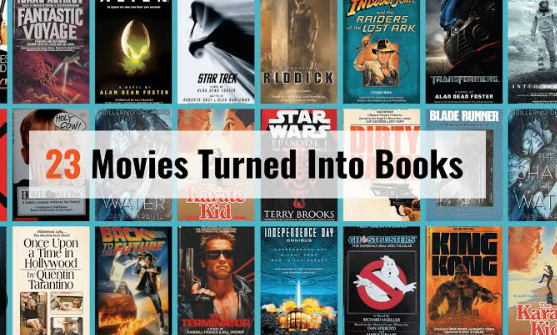
Many beloved films owe their success to compelling stories originally penned in books. These literary works have captivated audiences for years, only to be reimagined on the silver screen. This blog post highlights some captivating books that made remarkable transitions into fan-favorite movies.
1. The Lord of the Rings Trilogy
J.R.R. Tolkien’s epic saga, “The Lord of the Rings,” has enchanted readers since its publication in the mid-20th century. The movies, directed by Peter Jackson, captured the heart of this fantasy world with stunning visuals and an unforgettable score. The story follows Frodo Baggins, a hobbit tasked with destroying a powerful ring that could bring about the end of Middle-earth.
The film series, released between 2001 and 2003, received multiple Academy Awards and is often renowned for its faithful adaptation of the source material. The blend of advanced filmmaking techniques and a talented ensemble cast, including Elijah Wood and Ian McKellen, resonated with audiences and solidified the trilogy as a cultural phenomenon.
-
- Read the book first for deeper character insight.
-
- Explore fan forums to compare book vs. movie differences.
-
- Watch the extended versions of the films for added content.
-
- Consider how visual storytelling differs from reading.
2. To Kill a Mockingbird
Harper Lee’s “To Kill a Mockingbird” is not just a celebrated novel but also a poignant film that tackles serious themes of racial injustice and moral growth. The story is narrated by Scout Finch, a young girl whose father, Atticus Finch, defends a black man wrongfully accused of raping a white woman. With Gregory Peck portraying Atticus, the film, released in 1962, remains a classic, known for its emotional depth and powerful performances.
The movie was met with critical acclaim and won three Academy Awards, including Best Actor for Peck. It has continued to be relevant in discussions about race and justice, making it a must-watch for film lovers and a great companion piece to the book.
-
- Analyze the differences in characterization between the book and movie.
-
- Engage in discussions on the themes presented in both formats.
-
- Visit sites that offer insight into the historical context of the story.
-
- Consider reading critical essays to enhance your understanding.
3. The Harry Potter Series
J.K. Rowling’s “Harry Potter” series transformed the landscape of modern fantasy literature and film. Beginning with “Harry Potter and the Sorcerer’s Stone,” the film adaptations have brought to life the magical adventures of a boy who discovers he is a wizard. Over eight films released between 2001 and 2011, the series became a monumental success and a significant part of pop culture.
The movies have made Hogwarts School of Witchcraft and Wizardry a household name and introduced us to memorable characters like Hermione Granger and Ron Weasley. While the films made several changes to fit the big screen—some beloved scenes were left out—the magic of Rowling’s world is vividly captured by the special effects, set design, and a stellar cast.
-
- Read the series to experience the complete story.
-
- Watch film adaptations in order for continuity.
-
- Join fan clubs or online communities for updated discussions.
-
- Attend themed events or cosplay conventions for interactive experiences.
4. The Fault in Our Stars
John Green’s “The Fault in Our Stars” is a poignant coming-of-age story about two teenagers who fall in love after meeting in a cancer support group. The novel, released in 2012, explores themes of love, mortality, and the meaning of life. The 2014 film adaptation brought these intense emotions to life, starring Shailene Woodley and Ansel Elgort.
The film successfully captured the essence of the book while also appealing to a broader audience. With heartwarming moments paired with heartbreak, it posed a significant impact on young adults navigating their struggles. Both the book and movie encourage a profound discussion on the challenges faced by those suffering from illness.
-
- Explore book clubs to discuss themes and characters.
-
- Watch interviews with the author to gain deeper context.
-
- Consider re-reading for richer character development.
-
- Discuss how the film adaption might differ from expectations.
5. The Great Gatsby
F. Scott Fitzgerald’s “The Great Gatsby” is a staple of American literature and is widely regarded for its exploration of the American Dream. The novel tells the story of Jay Gatsby, a mysterious millionaire, and his obsession with the beautiful Daisy Buchanan. The 2013 adaptation, directed by Baz Luhrmann, brought a modern twist to this classic tale with a visually stunning representation and an eclectic soundtrack.
The film received mixed reviews from critics, but many viewers appreciated its vibrant aesthetic and thematic interpretation. Leonardo DiCaprio’s powerful portrayal of Gatsby added depth to the character, making him relatable and tragic. The movie invites extensive discussions about its themes, rooted deeply in both books and contemporary society.
-
- Compare the 1974 and 2013 film adaptations for perspective.
-
- Read literary criticisms to understand the different interpretations.
-
- Attend lectures or watch documentaries about the Roaring Twenties.
-
- Analyze character motivations across book and film situations.
Books that transition into movies often enrich our viewing experiences and deepen our understanding of the narratives. By exploring these adaptations, readers and viewers alike can appreciate the artistry involved in bringing written stories to life. So, grab a book or stream the movie, and immerse yourself in these remarkable tales!