
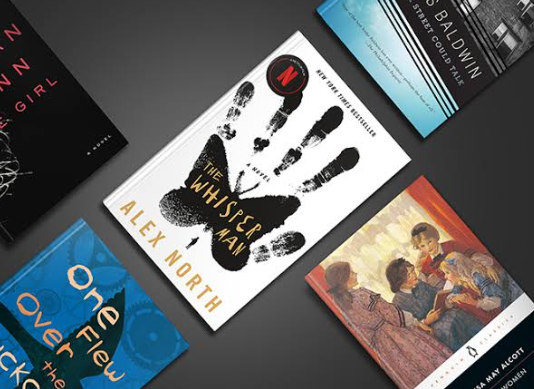
Books and movies often share powerful narratives that resonate deeply with audiences, but adaptations can sometimes amplify the original message in unexpected ways. This blog post explores several notable books that have been transformed into films, each carrying impactful themes worthy of discussion.
1. “The Color Purple” – Breaking Boundaries
Adapted from Alice Walker’s Pulitzer Prize-winning novel, “The Color Purple” tells the story of Celie, an African American woman in the early 20th century who overcomes immense hardship. The film adaptation, directed by Steven Spielberg, emphasizes themes of resilience, sisterhood, and empowerment. Through Celie’s journey from oppression to independence, viewers are reminded of the power of friendship and the importance of speaking out against injustice.
The profound messages in “The Color Purple” invite audiences to reflect on societal issues such as racism, sexism, and the quest for identity. The emotional depth achieved in the film helps to convey the struggles many face, making it a timeless piece that encourages dialogue and understanding among diverse audiences.
-
- Reflect on personal experiences related to the themes.
-
- Discuss the film and book with friends to gain different perspectives.
-
- Explore other works by Alice Walker for added depth.
-
- Consider joining book clubs focusing on similar topics.
2. “To Kill a Mockingbird” – A Lesson in Empathy
Harper Lee’s “To Kill a Mockingbird” is a classic that explores themes of racial injustice and moral growth. The film adaptation features the character Atticus Finch, a lawyer who defends a black man accused of raping a white woman in the racially charged atmosphere of the 1930s American South. The adaptation effectively highlights Atticus’s moral unwavering principles, teaching viewers the importance of empathy and standing up for what is right, even when faced with societal opposition.
This poignant story serves as a crucial reminder of the flawed nature of humanity and the importance of understanding others’ perspectives. The film brings a crucial historical context to contemporary social issues, making it highly relevant for viewers and prompting reflection on ongoing issues of inequality and justice.
-
- Encourage discussions about moral dilemmas presented in the film.
-
- Participate in community events or discussions on racial justice.
-
- Engage with educational resources regarding civil rights history.
-
- Support adaptations and works that promote understanding and empathy.
3. “The Perks of Being a Wallflower” – Navigating Adolescence
Stephen Chbosky’s coming-of-age novel “The Perks of Being a Wallflower” explores themes of mental health, friendship, and the complexities of youth. The film adaptation captures the essence of adolescence with authenticity, showcasing Charlie’s journey through the challenges of mental illness, love, and belonging. This narrative helps to shine a light on the importance of open conversations about mental health issues among young people.
The film is particularly powerful in its ability to connect with teenagers and adults alike, reminding viewers that they are not alone in their struggles. By portraying issues such as anxiety and depression in a relatable context, both the book and film encourage a greater understanding of mental health and the importance of support systems.
-
- Be open about your feelings and encourage others to do the same.
-
- Seek support from friends, counselors, or hotlines when needed.
-
- Participate in mental health awareness events.
-
- Read the book and watch the film for a deeper understanding of the characters.
4. “Life of Pi” – Embracing Survival and Faith
Yann Martel’s “Life of Pi,” which became an acclaimed film directed by Ang Lee, dives deep into themes of faith, survival, and the quest for meaning. The story follows a young boy, Pi, who survives a shipwreck and shares a lifeboat with a Bengal tiger named Richard Parker. The film beautifully illustrates Pi’s struggle and perseverance, as well as his exploration of spirituality in the midst of despair.
This adaptation invites viewers to confront deep philosophical questions about faith and existence. The breathtaking visuals coupled with a compelling narrative make it a profound experience that transcends mere entertainment, encouraging viewers to reflect on their beliefs and the interconnectedness of life.
-
- Consider journaling your thoughts on faith and resilience.
-
- Participate in discussions on philosophical or spiritual topics.
-
- Engage with nature or art to explore deeper meanings in life.
-
- Read interpretations of the book and film to broaden your insight.
Books turned into films often carry rich narratives that are enhanced by cinematic storytelling, delivering powerful messages that resonate across generations. By engaging with these adaptations, we not only entertain ourselves but also reflect on humanity’s challenges and triumphs. Consider diving into these stories, whether through reading or viewing, to foster discussions that inspire change in ourselves and our communities.