
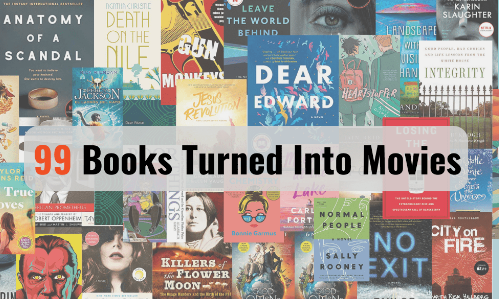
Books have long served as a wellspring of inspiration for filmmakers, and not all adaptations require a blockbuster budget to succeed. Many low-budget films based on literature have not only found their audience but also achieved critical acclaim and box office success. In this post, we will explore some remarkable examples of books that were adapted into low-budget movies, highlighting their impact and what made them stand out.
1. “The Perks of Being a Wallflower”
Adapted from Stephen Chbosky’s beloved novel, “The Perks of Being a Wallflower” was made on a modest budget of around $13 million. The film, directed by Chbosky himself, captures the poignant themes of friendship, love, and mental health that resonate with audiences of all ages. With a strong cast featuring Logan Lerman, Emma Watson, and Ezra Miller, the film was not only well-received by fans of the book but also managed to garner positive reviews from critics.
The success of this adaptation lies in its authenticity. Chbosky chose to stay true to the heart of the story while bringing a distinct visual style to the film. The relatable characters and their struggles drew viewers in, making them feel connected to the storyline. The film performed well at the box office, grossing over $33 million, a noteworthy achievement considering its budget constraints.
-
- Read the original book for a richer understanding.
-
- Watch the film adaptation to see how the story translates on screen.
-
- Discuss the themes of friendship and self-discovery with friends.
-
- Explore other adaptations by Stephen Chbosky.
2. “The Blair Witch Project”
Initially conceived as a marketing experiment, “The Blair Witch Project” took a mere $60,000 to create, and it went on to gross nearly $250 million worldwide. Though it is not a direct adaptation of a traditional book, it incorporated mythologies and legends reminiscent of stories told around campfires, which are often found in literature. The film’s unique found-footage style and its ability to instill a sense of fear with minimal visual effects were groundbreaking.
The film capitalized on creating an intricate backstory using a well-crafted website and clever marketing. Viewers were drawn into the mystique surrounding the Blair Witch legend, making the movie feel genuine and chilling. Its success paved the way for a new genre of horror films that relied on atmosphere over gore, proving that storytelling can thrive without hefty budgets.
-
- Research the origins of urban legends for inspiration.
-
- Consider experimenting with low-budget filming techniques.
-
- Utilize online platforms for marketing and audience engagement.
-
- Focus on sound design to create an eerie atmosphere.
3. “Room”
“Room,” adapted from Emma Donoghue’s novel, was made with a budget of approximately $13 million. It tells the harrowing story of a mother and her son who are held captive in a small room, showcasing their emotional journey toward freedom. Brie Larson’s haunting performance earned her an Academy Award, while Jacob Tremblay’s portrayal of the innocent child touched the hearts of many.
The film’s success was largely due to its emotional depth and powerful performances. Donoghue’s script stayed true to her book while making the content accessible for viewers unfamiliar with the source material. The film achieved commercial and critical acclaim, grossing over $30 million worldwide, and highlighted the importance of storytelling, empathy, and resilience.
-
- Explore character development to enhance emotional engagement.
-
- Utilize small settings to focus on character interactions.
-
- Consider a tight shooting schedule to keep production costs down.
-
- Engage in film festivals to build an audience for your work.
4. “The Fault in Our Stars”
Based on John Green’s bestselling novel, “The Fault in Our Stars” was made with a relatively low budget of about $12 million. This romantic drama follows two teenagers with cancer who develop a profound relationship. Starring Shailene Woodley and Ansel Elgort, the film achieved significant box office success, grossing over $300 million globally.
The film’s charm lies in its balance of humor and tragedy, making it relatable to a wide audience. By focusing on the authentic experiences of young love and illness, the film struck a chord with viewers. Its success also led to an increased interest in teen dramas, pushing studios to consider more adaptations of Young Adult novels.
-
- Find relatable themes that resonate with a broad audience.
-
- Work with strong lead actors to elevate the narrative.
-
- Utilize social media to maximize engagement before release.
-
- Consider the emotional landscapes that drive the story forward.
5. “A Ghost Story”
While not a conventional adaptation, “A Ghost Story” draws inspiration from various literary forms, including poetry and short stories. Made for a mere $100,000, this film features Casey Affleck and Rooney Mara in a deeply contemplative narrative about love, loss, and the passage of time. The low budget did not hinder its creative vision; instead, it empowered the filmmakers to focus on artful storytelling and a minimalist aesthetic.
The film’s slow pacing and unique visual style allow for deep contemplation, which has earned it a dedicated following. Its unconventional narrative structure invites audiences to reflect on themes that often resonate in literature, including existentialism and human connections. By proving that profound storytelling can come from simplicity, “A Ghost Story” stands as a testament to the power of creativity in low-budget filmmaking.
-
- Experiment with unconventional storytelling methods.
-
- Focus on the emotional core, even in minimal dialogue.
-
- Utilize silence and space to evoke deeper feelings.
-
- Incorporate cultural and philosophical themes for added depth.
In conclusion, the success of these low-budget film adaptations underscores the idea that storytelling transcends finances and production values. As evidenced by these films, it is passion, innovation, and authenticity that resonate with audiences. If you’re inspired by the stories of these adaptations, consider diving into the world of literature and film-making yourself! Explore new stories, create your adaptations, and never underestimate the power of a great narrative.