
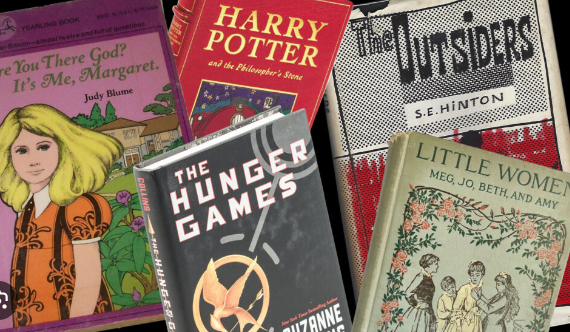
Adapting literature into film is a time-honored tradition, and when it comes to coming-of-age stories, the results can be truly profound. Many classics of literature have successfully transitioned onto the big screen, exploring themes of growth, identity, and the myriad challenges of youth. This blog post delves into a range of books that have been transformed into memorable coming-of-age films.
1. The Perks of Being a Wallflower
Stephen Chbosky’s novel, “The Perks of Being a Wallflower,” captures the tumultuous journey of a teenager named Charlie as he navigates high school life, mental health issues, and the bittersweet nature of friendship. The novel’s unique epistolary format immerses readers in Charlie’s internal struggles and triumphs, making it a poignant exploration of adolescence. When adapted into a film in 2012, Chbosky himself directed, which added a personal touch to the visual storytelling.
The film maintains the book’s emotional depth, effectively conveying the rawness of teenage experiences, such as first love, loss, and the complexities of fitting in. With a talented cast, including Emma Watson and Logan Lerman, the adaptation stays true to the source material while engaging a broader audience. Viewers are left with a poignant reminder of the power of friendship, acceptance, and the importance of being true to oneself.
-
- Read both the book and watch the film to experience the full story.
-
- Pay attention to how specific scenes interpret key themes.
-
- Discuss the differences between the book and film with friends.
-
- Reflect on your own coming-of-age experiences while consuming these narratives.
-
- Consider the modern relevance of the story’s themes.
2. To Kill a Mockingbird
Harper Lee’s “To Kill a Mockingbird” is a timeless tale that follows young Scout Finch as she learns about the complexities of human nature, morality, and justice in a racially divided Southern town. This powerful narrative explores themes of empathy, prejudice, and the loss of innocence. Released as a film in 1962, the adaptation receives acclaim for its authenticity in portraying the novel’s themes and characters, thanks to Gregory Peck’s iconic role as Atticus Finch.
The film captures the essence of Scout’s coming-of-age journey, highlighting her relationship with her father and her gradual understanding of societal issues through the eyes of a child. The cinematic adaptation enhances the book’s nuanced storytelling by visualizing key moments, making it easier for audiences to grasp the story’s emotional weight. Its powerful imagery and memorable quotes have cemented its place in cinematic history.
-
- Compare specific scenes from the book and film for thematic depth.
-
- Examine how characters are portrayed differently in each medium.
-
- Discuss the relevance of the story in today’s society.
-
- Create a playlist inspired by the film’s key moments.
-
- Join a book club discussing classic literature and their adaptations.
3. The Fault in Our Stars
John Green’s “The Fault in Our Stars” tells the poignant love story of two teenagers, Hazel and Gus, both battling cancer. The novel discusses themes of love, loss, and the struggles associated with chronic illness in an evocative manner. Released as a film in 2014, it brought to life the emotional journey of the characters through stunning visuals and heartfelt performances, particularly by Shailene Woodley and Ansel Elgort.
The film adaptation excels in portraying the raw emotions present in the story, effectively using humor to balance the heaviness of the topic. The chemistry between the lead actors plays a significant role in making audiences feel invested in Hazel and Gus’s relationship. By following their journey, viewers are reminded not only of the fragility of life but also the profound impact of love and friendship, especially in difficult times.
-
- Watch the film and read the book for a complete understanding.
-
- Discuss how humor is used to explore serious themes.
-
- Create a journal detailing your thoughts on the characters’ experiences.
-
- Reflect on your perceptions of love and mortality after consuming this story.
-
- Host a viewing party with discussions to connect with others over shared feelings.
4. Stand by Me
Based on Stephen King’s novella “The Body,” “Stand by Me” is a captivating coming-of-age film that follows four boys on a quest to find the body of a missing child. The film artfully explores themes of friendship, fear, and the bittersweet nature of growing up. Released in 1986, it presents a nostalgic view of childhood while addressing deeper, more poignant elements that resonate with audiences of all ages.
The film’s narrative unfolds as a tale of personal discovery, where each of the boys confronts their private fears and aspirations. The clever use of flashbacks and nostalgic music brings depth and warmth, making the audience feel a connection to their own childhoods. The universal themes of loyalty and loss captured in the film continue to resonate, making it a beloved classic.
-
- Reflect on your childhood friendships while watching the film.
-
- Consider how the film builds character development among the boys.
-
- Discuss the impact of nostalgia in storytelling.
-
- List life lessons learned from the characters’ adventures.
-
- Plan a viewing with friends, focusing on themes of growth and friendship.
In conclusion, the adaptations of coming-of-age books into films capture the essence of youth’s complexities in ways that resonate with audiences. Whether it’s through the struggles of self-acceptance or the power of friendship, these stories evoke powerful emotions. So pick up one of these classics, watch the adaptation, and reflect on your own journey through adolescence. Your next favorite story might just be waiting!