
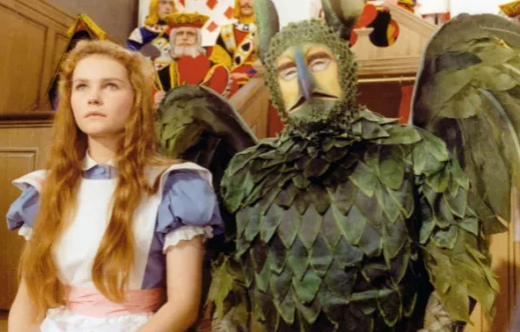
The 1972 adaptation of “Alice’s Adventures in Wonderland” stands out as a unique interpretation of Lewis Carroll’s beloved classic, capturing the whimsy and charm that has resonated with audiences for generations. This rendition brought together innovative animation techniques and a whimsical narrative, allowing viewers of all ages to immerse themselves in the enchanting world of Wonderland. As we explore this adaptation, its artistic merit and cultural context become evident, highlighting its enduring relevance today.
Animation Techniques and Artistic Style
The 1972 version of “Alice’s Adventures in Wonderland” employed a blend of live-action and animated segments, a novel approach that added a vibrant layer to the storytelling. The animation was brightly colored and imbued with a playful, dream-like quality, staying true to the surreal nature of Carroll’s original work. Viewers were treated to a kaleidoscope of imaginative visuals, from the Cheshire Cat’s mischievous grin to the quirkiness of the Mad Hatter’s tea party, each scene bursting with creative artistry that captivates the imagination.
Character Portrayals and Voice Acting
In this adaptation, characters were brought to life by a talented cast of voice actors who infused their roles with personality and vibrancy. Alice, portrayed with curiosity and innocence, navigates the bizarre scenarios of Wonderland with both wonder and frustration, making her relatable to audiences. The vocal portrayals of supporting characters, such as the whimsical Mad Hatter and the nonsensical March Hare, added depth and humor, successfully ensuring that each character resonated with viewers, enhancing the narrative experience.
Cultural Impact and Legacy
The 1972 adaptation left a lasting impression on the cultural landscape, introducing a new generation to the fantastical elements of Wonderland while paying homage to Carroll’s original themes of identity and growth. Its innovative format influenced future adaptations of children’s literature, showing that animation could effectively convey complex narratives and themes. This version remains a significant reference point for discussions about adaptations of classic literature, encouraging both nostalgia and renewed interest in Carroll’s works.
In conclusion, the 1972 “Alice’s Adventures in Wonderland” remains a vibrant adaptation that combines artistic innovation with timeless storytelling. Its influence can still be felt in modern interpretations of classic tales, making it worthwhile for both new viewers and long-time fans to revisit this enchanting journey through Wonderland. Dive into this whimsical world and discover the magic and meaning behind Carroll’s story!