
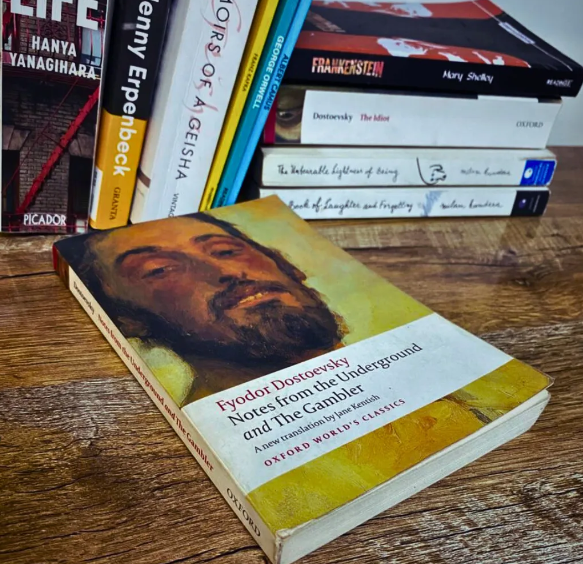
Books have an incredible ability to transport us to different worlds, ignite our imaginations, and challenge our perspectives. However, some books do more than just entertain; they leave us with a lasting impression that creates a desire to see their stories come to life on screen. In this post, we will explore several books that became essential viewing after reading, offering insights into the adaptations and what makes them so captivating.
1. The Handmaid’s Tale
Margaret Atwood’s gripping dystopian novel, “The Handmaid’s Tale,” paints a chilling picture of a totalitarian regime that subjugates women. The book not only delves deep into themes of oppression and resistance but also provides a stark warning about the fragility of freedom. When the television adaptation premiered, it captivated audiences with its hauntingly accurate portrayal of Atwood’s world, combining stark imagery with powerful performances, especially by Elisabeth Moss.
The series expands upon the book’s narrative, revealing the stories of multiple characters and diving deeper into the institutional horrors depicted in the novel. This adaptation encourages viewers to reflect on contemporary societal issues, leading many to discuss norms and values in today’s world and how they could shift drastically.
-
- Watch the adaptation to see the visual interpretation of the novel.
-
- Join online discussions or book clubs to share thoughts on both the book and series.
-
- Reflect on the societal themes presented and how they relate to current events.
-
- Create a reading/viewing schedule to enjoy it in manageable chunks.
2. To Kill a Mockingbird
Harper Lee’s “To Kill a Mockingbird” stands as a pivotal piece of American literature, tackling themes of racial injustice and moral growth. The novel centers around the perspective of young Scout Finch as her father, Atticus Finch, defends a black man wrongly accused of raping a white woman. This story has resonated through generations, and its film adaptation, starring Gregory Peck, has solidified its cultural relevance.
The film beautifully captures the essence of the novel, with compelling performances and an authentic Southern setting that adds depth to the narrative. By watching the film after reading the book, viewers can appreciate how the themes come alive visually, making it a profound experience that invites discussions about race and ethics both in the past and present.
-
- After reading, make a list of differences between the book and the film.
-
- Discuss the portrayal of characters and how they align with your interpretations.
-
- Encourage viewing as a family, facilitating conversations about its themes.
-
- Research the historical context of the book and film for deeper understanding.
3. The Great Gatsby
F. Scott Fitzgerald’s “The Great Gatsby” offers a dazzling glimpse into the Jazz Age, exploring themes of decadence, love, and the American Dream. Following the affluent Jay Gatsby’s obsession with Daisy Buchanan, the narrative unravels the complications of wealth and social status. The film adaptations, especially Baz Luhrmann’s flashy rendition, have sparked renewed interest and debate about Fitzgerald’s classic.
The vibrant visuals, paired with a modern soundtrack, attract a younger audience and offer a fresh lens through which to view the story’s timeless relevance. Watching the film provides an opportunity to grasp the atmosphere of the Roaring Twenties, enriching your understanding of the socio-economic commentary revealed in the text.
-
- Organize a viewing party to enjoy the film with friends or fellow fans.
-
- Create a visual comparison between the lavish imagery in the book and film.
-
- Discuss the symbolism present in both adaptations and their significance.
-
- Delve into the transformations of characters and their motivations across both formats.
4. The Shadow of the Wind
Carlos Ruiz Zafón’s “The Shadow of the Wind” weaves an intricate narrative set in post-war Barcelona, brimming with literary intrigue and mystery. The protagonist, Daniel, discovers a forgotten book, leading him into a web of love, betrayal, and the search for authorship. While this captivating tale hasn’t been widely adapted yet, it remains an essential read that invites readers to envision its cinematic potential.
The depth of characters and the atmospheric setting crafted in Zafón’s prose ignite imaginations, leading many readers to visualize how such a story could unfold on the screen. Building a mental picture enriches the reading experience, and as you await potential adaptations, consider the themes that could translate beautifully in film.
-
- Visualize scenes while reading—consider how you would film them.
-
- Discuss with friends how the environment and tone influence the story.
-
- Track news for potential film adaptations, staying engaged with its evolution.
-
- Create your own storyboards for favorite scenes as a creative exercise.
In conclusion, literature often serves as a fertile ground for exceptional cinematic adaptations. Engaging with both books and their film counterparts not only deepens your understanding but also enriches your appreciation of storytelling in various forms. Whether you’re revisiting these classics or exploring new ones, consider taking the next step towards experiencing them both on the page and on the screen.