
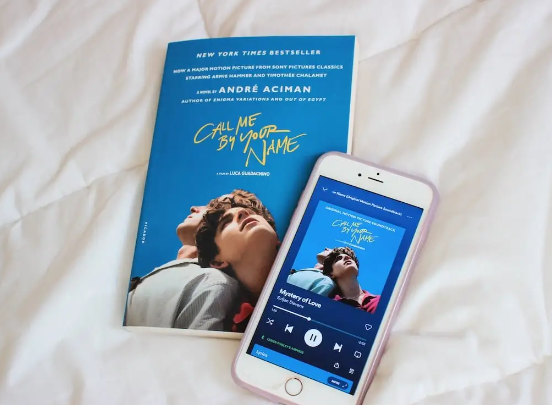
Books have always provided rich narratives that captivate readers, and when these literary works are adapted into films, they often carry memorable soundtracks that enhance the storytelling experience. In this blog post, we will explore some iconic films adapted from books, focusing on how their soundtracks contributed to their overall impact.
1. The Great Gatsby
Baz Luhrmann’s 2013 adaptation of F. Scott Fitzgerald’s classic novel “The Great Gatsby” brought the Roaring Twenties to life on screen in a vibrant way. The film’s soundtrack blends modern music with period-specific elements, featuring artists like Lana Del Rey and Jay-Z. This fusion creates a dynamic atmosphere that aligns perfectly with the film’s extravagant visuals and themes of opulence.
The soundtrack plays a crucial role in conveying the film’s emotion, heightening key moments like Gatsby’s parties and the somber reflections of the characters. Tracks like “Young and Beautiful” by Lana Del Rey effectively encapsulate Daisy’s allure and the fleeting nature of happiness, making it not just a background score but a part of the narrative itself.
-
- Listen to the soundtrack before watching the movie for a deeper understanding.
-
- Note key scenes where music enhances emotional depth.
-
- Explore the context of the original novel to fully appreciate the adaptation.
-
- Discuss the connection between the music and the film’s theme with friends.
2. The Lord of the Rings Trilogy
Peter Jackson’s “The Lord of the Rings” trilogy, based on J.R.R. Tolkien’s epic saga, is renowned not only for its groundbreaking visuals but also its unforgettable soundtrack composed by Howard Shore. The music is intricately woven into the narrative, with each piece reflecting the rich lore and diverse cultures of Middle-earth.
-
- Listen to pieces for different character themes and their development.
-
- Pay attention to musical motifs that accompany significant plot points.
-
- Consider how sound builds tension or relief in key scenes.
-
- Revisit the books to see how music adds another layer to the story.
3. To Kill a Mockingbird
The 1962 adaptation of Harper Lee’s “To Kill a Mockingbird” is a poignant exploration of social injustice, and its score, composed by Elmer Bernstein, is subtle yet impactful. The music underscores the film’s profound moral themes and captures the innocence of childhood in the Deep South. Bernstein’s compositions evoke a sense of nostalgia and longing, perfectly complementing the film’s narrative arc.
Special moments, such as Scout and Jem’s innocent adventures, are enhanced by the gentle melodies, making the viewer feel the weight of their experiences. The haunting tracks during critical courtroom scenes elevate the emotional stakes, ensuring that the audience feels the intensity of justice and morality being challenged.
-
- Reflect on how the music ties into the film’s central themes.
-
- Identify musical highlights during key scenes and their emotional impact.
-
- Discuss the contrast between childhood playfulness and serious themes.
-
- Rewatch with a focus on the score to appreciate its subtle nuances.
4. The Fault in Our Stars
The adaptation of John Green’s “The Fault in Our Stars” showcases how a well-curated soundtrack can resonate with the themes of love and loss. The film features impactful songs by artists like Ed Sheeran and Birdy, which enhance the emotional connections between characters Hazel and Gus. The music has the capacity to evoke feelings of joy, sadness, and everything in between, mirroring the couples’ experiences throughout their journey.
The soundtrack not only reinforces key moments in the film but also contributes to its relatability. For instance, Ed Sheeran’s “All of the Stars” encapsulates the film’s essence, providing a backdrop that complements the heart-wrenching moments while simultaneously celebrating life. The music choices allow viewers to connect to the story on a deeper emotional level.
-
- Create a playlist of the soundtrack for reflection after watching.
-
- Identify scenes where music amplifies emotional weight.
-
- Consider the impact of music on storytelling in the film.
-
- Discuss favorite songs and their connection to key moments.
5. Atonement
The film “Atonement,” based on Ian McEwan’s novel, combines a rich narrative with a hauntingly beautiful score by Dario Marianelli. The film’s structure weaves a complex tale of love and regret, with music that varies from sweeping orchestral pieces to intimate piano solos. This diversity helps underscore the emotional landscape of the characters and their relationships.
One particularly memorable scene features the iconic “Typewriter” motif, which cleverly ties into the story’s focus on storytelling itself. This inventive use of sound not only enriches the film but also emphasizes key themes such as memory and the passage of time. Viewers are invited to reflect on each character’s motivations, guided by Marianelli’s evocative compositions.
-
- Analyze how the score correlates with the film’s pivotal moments.
-
- Listen for recurring motifs throughout the film and their meanings.
-
- Discuss how the music enhances the emotional tension between characters.
-
- Explore how music integrates with themes of storytelling and memory.
In conclusion, the magic of films adapted from books is often heightened by unforgettable soundtracks that not only enrich the viewing experience but also resonate deeply with the audience. Whether you’re revisiting favorite films or discovering new ones, take the time to appreciate how music enhances storytelling. Next time you watch a film adaptation, pay close attention to the soundtrack and see how it influences your emotional journey through the story!