
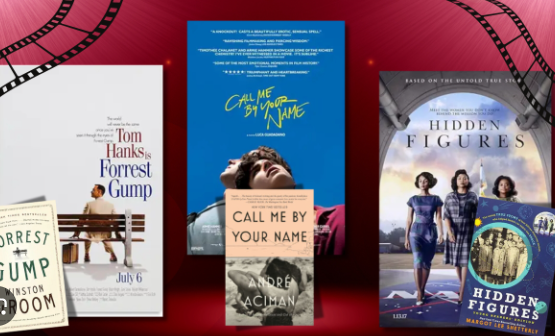
Adapting books into movies can be a thrilling experience for fans, but sometimes the changes made in the adaptation can be jarring. While filmmakers often aim to capture the spirit of the source material, they sometimes take creative liberties that shift the narrative significantly. Let’s explore some notable book-to-movie adaptations that have altered their original stories.
1. The Shining
One of Stephen King’s most iconic horror novels, “The Shining,” was adapted into a film directed by Stanley Kubrick in 1980. While Kubrick’s version is visually stunning and widely regarded as a classic, it diverges significantly from the source material in both tone and character portrayal. For example, the character of Jack Torrance is much more sympathetic and complex in the book, whereas the movie presents him as almost entirely malevolent from the start.
Additionally, the ending of the film differs greatly from the book. In King’s novel, the story culminates in a more ambiguous and psychologically nuanced climax, where the Overlook Hotel’s supernatural influences intensify the character’s mental breakdown. In contrast, Kubrick opts for a more straightforward and shocking conclusion, prioritizing visual horror over psychological depth.
-
- Read both the book and watch the movie for a comprehensive understanding.
-
- Focus on the character differences, especially Jack Torrance.
-
- Consider the emotional impact of each version.
-
- Discuss with friends or online communities about their interpretations.
2. The Hunger Games
Suzanne Collins’ “The Hunger Games” series gained immense popularity, leading to a film franchise that captivated audiences. However, the adaptation altered some crucial aspects that shifted the story’s focus. For instance, the internal monologue of Katniss Everdeen, which provides insight into her motivations and emotions, is largely stripped away in the film. This omission changes how viewers perceive her actions and decisions, making her appear more impulsive than calculated.
Another significant change is the portrayal of the Capitol and its citizens. The book delves deeper into the grotesque nature of their indulgence and how it contrasts with the struggles of the districts. The film, however, pays less attention to this disparity, focusing more on the action and romance elements, which shifts the emphasis away from the social commentary that Collins intended.
-
- Examine the narrative tone in the film versus the book.
-
- Identify character motivations in both adaptations.
-
- Discuss the social themes presented in Collins’ work.
-
- Reflect on how the changes affect your understanding of the story.
3. The Great Gatsby
F. Scott Fitzgerald’s “The Great Gatsby” is a literary classic that explores themes of wealth, love, and the American Dream. Baz Luhrmann’s film adaptation, released in 2013, presents a visually striking interpretation, but it also makes several changes that impact character relationships and plot dynamics. For example, the book provides a more nuanced understanding of Gatsby’s motivations and the emptiness of the world around him, while the film leans heavily into a more romanticized version of Gatsby’s journey.
Moreover, the narration by Nick Carraway, which is crucial in the book for providing context and depth, is somewhat simplified in the film. The complex social commentary regarding class and morality is overshadowed by the film’s flashy aesthetic and soundtrack choices, which, although entertaining, could distract from the original themes Fitzgerald sought to illuminate.
-
- Read summaries of both the novel and film.
-
- Analyze the portrayal of wealth in each version.
-
- Discuss Nick’s role as a narrator in both adaptations.
-
- Reflect on how the adaptation’s style affects its reception.
4. Jurassic Park
Michael Crichton’s “Jurassic Park” is a thrilling exploration of scientific ethics and the unforeseen consequences of genetic engineering. Steven Spielberg’s adaptation also delivers an exhilarating experience, but it diverges notably from the book, especially regarding character arcs and themes. In the novel, for instance, the character of Dr. John Hammond is portrayed as a more complex antagonist, showcasing the reckless pursuit of profit over safety, whereas in the film, he is depicted with a more sympathetic outlook.
Furthermore, the film simplifies key sequences concerning the park’s technology and the consequences of the dinosaurs escaping. Crichton emphasizes the moral implications of playing God, while the movie focuses more on the action and suspense elements. This shift alters the weight of the cautionary tale about human interference with nature.
-
- Compare character traits in both adaptations.
-
- Identify key themes emphasized in the book but downplayed in the film.
-
- Discuss the ethical concerns raised in both narratives.
-
- Reflect on your own perspectives about technological advancements.
In conclusion, book-to-movie adaptations can be both thrilling and frustrating for fans. While some films capture the essence of the original stories, others shift key elements that transform the narrative entirely. The best way to appreciate these adaptations is to engage with both the books and their films, which can lead to a richer understanding and enjoyment of the material.