
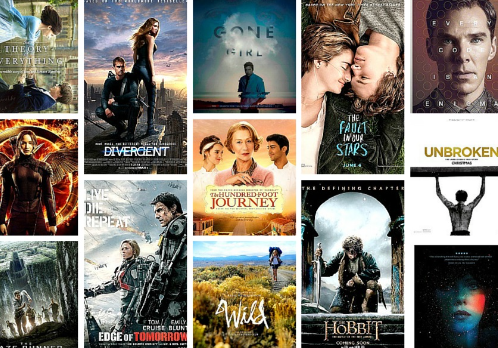
Books often serve as a source of inspiration for film adaptations, giving audiences deeply emotional experiences. From tales of love and loss to thrilling adventures, these stories have a unique power that resonates with viewers.
1. The Fault in Our Stars
John Green’s poignant novel “The Fault in Our Stars” delves into the lives of two teenagers battling cancer and searching for meaning in their brief lives. The film adaptation captures the raw emotions of the characters, leading audiences to experience a spectrum of feelings, from joy to heartache. Many viewers find themselves reflecting on the fragility of life and the importance of love, making it a compelling watch.
The film focuses heavily on the relationship between Hazel and Gus, brilliantly portrayed by Shailene Woodley and Ansel Elgort. Their chemistry is palpable, and it draws viewers into their world, making their joys and sorrows feel intimately personal. This intense emotional investment often leaves audiences reaching for tissues and contemplating their mortality.
-
- Watch both the film and read the book to compare emotional depth.
-
- Note how different scenes evoke varying emotional responses.
-
- Discuss the themes of love and loss with friends or family.
-
- Reflect on your own experiences of love and grief as you view the film.
2. A Walk to Remember
<p”Nicholas Sparks’ “A Walk to Remember” is another literary work that has touched millions. This story about unexpected love in the face of tragedy captures the hearts of readers and viewers alike. The film adaptation stays true to the emotional gravity of the source material, effectively depicting the profound impact of illness and acceptance.
In the story, the transformation of Landon, played by Shane West, under Jamie’s influence, played by Mandy Moore, creates a narrative that is filled with bittersweet moments. The audience is often moved to tears at pivotal moments, particularly as the realities of Jamie’s illness come to light. This emotional buildup is masterfully executed, leaving viewers contemplating their values and relationships.
-
- Engage with the film’s themes by journaling about your thoughts and feelings.
-
- Organize a movie night with friends to share reactions.
-
- Discuss how love can change us, using characters as references.
-
- Reflect on any personal experiences related to the themes of the film.
3. The Green Mile
Stephen King’s “The Green Mile” is not just a supernatural tale; it’s a deeply humane story that evokes strong emotional responses. The film adaptation explores themes of justice, compassion, and the nature of humanity, challenging viewers to confront their beliefs about morality. The performances, particularly by Tom Hanks and Michael Clarke Duncan, bring these themes to life in ways that are heartbreaking yet uplifting.
This gripping story allows audiences to connect with both the suffering inmates and the guards. As John Coffey, portrayed by Duncan, showcases his incredible healing abilities, viewers are reminded of the complexities of human emotions and the injustices in society. This blend of supernatural elements with real-world issues creates a powerful emotional punch, resulting in reflections on empathy and morality.
-
- Reflect on how the portrayal of justice influences your views.
-
- Consider the moral dilemmas faced by characters during the film.
-
- Participate in discussions about the treatment of inmates.
-
- Write a personal reflection on the elements that moved you emotionally.
4. The Notebook
Also penned by Nicholas Sparks, “The Notebook” has become a modern classic in romantic literature and its film adaptation. The sweeping romance between Noah and Allie transcends time and class differences, stirring a connection with audiences that is both nostalgic and heart-wrenching. Viewers often find themselves enveloped in the exploration of enduring love, making it a staple for romantic movie enthusiasts.
The film encapsulates moments of passion, heartache, and profound devotion, ultimately leading to reflections on aging and memory. The narrative invites audiences to consider their own relationships and what true love means over time. As many couples watch it together, it often leads to spontaneous discussions about their own journeys in love—emphasizing the universal longing for connection.
-
- Reflect on the importance of memory in relationships.
-
- Have discussions with your partner about your own love stories.
-
- Identify scenes that elicited strong emotions and why.
-
- Revisit the film years later to gauge any change in perception.
5. To Kill a Mockingbird
Harper Lee’s “To Kill a Mockingbird” presents a powerful commentary on social justice and morality through the innocent eyes of a child. The film adaptation remains a landmark in cinematic history, known for its poignant exploration of racism and moral courage. This deeply impactful story resonates emotionally, prompting audiences to reflect on societal issues that remain relevant today.
Atticus Finch, played by Gregory Peck, represents integrity and empathy, making him an inspiring figure for viewers. The trial of Tom Robinson demonstrates the pervasive injustices within society, leaving audiences grappling with feelings of anger and sadness. The emotional weight of the story encourages discussions about ethics, justice, and personal responsibility, amplifying its lasting influence.
-
- Engage in discussions about social injustice inspired by the film.
-
- Consider the importance of moral leadership in your own life.
-
- Write about what the story means to you today.
-
- Participate in community events that focus on social issues.
In conclusion, the emotional power of books adapted into films is undeniable. These stories encourage us to reflect on our lives and societal values, pushing us toward meaningful conversations and connections. Dive into these adaptations and allow yourself to feel the full spectrum of human emotion.