
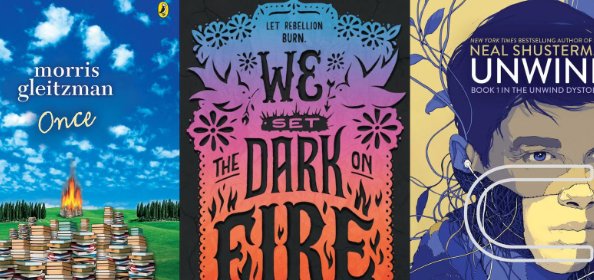
Books have long captivated readers with their rich narratives and intricate character developments. When these stories are adapted into films, they often bring unique storytelling techniques that enhance the original material, offering a fresh perspective and engaging experience.
1. Non-linear Narratives: “The Handmaid’s Tale”
Margaret Atwood’s “The Handmaid’s Tale” is a striking example of a book adapted into a film with a non-linear narrative. The story, which dives into a dystopian society where women are subjugated, utilizes flashbacks and fragmented timelines that immerse the viewer in the protagonist’s psychological turmoil. In the Hulu adaptation, these non-linear storytelling elements are used effectively, allowing the audience to understand the protagonist’s past while simultaneously witnessing her oppressive present.
This approach does not only enrich the character’s backstory; it also enhances the thematic depth of the narrative. By juxtaposing past and present, viewers get a clearer picture of how the character’s memories influence her current decisions, deepening their emotional connection to the story.
-
- Watch the adaptation to see how non-linear storytelling shifts focus.
-
- Take note of flashback scenes and their emotional impact.
-
- Consider how the timelines interact and inform each other.
-
- Reflect on how this style might affect your understanding of the characters.
2. Visual Symbolism: “Life of Pi”
“Life of Pi,” originally penned by Yann Martel, is another remarkable adaptation that employs visual symbolism masterfully. The book presents a layered narrative rich with exploratory themes of faith, survival, and human-animal relationships. In Ang Lee’s film adaptation, the cinematography transforms the novel’s philosophical inquiries into stunning visual experiences. The use of colors, light, and imagery becomes almost a character in itself, enhancing the emotional resonance of the story.
The film’s boat scenes, featuring Pi stranded with a tiger, beautifully symbolize isolation and companionship, emphasizing the thematic struggle between despair and hope. These visual elements offer a different approach to storytelling that combines art with narrative, providing viewers a visceral experience they can’t get from reading alone.
-
- Pay attention to how colors are used to convey emotions.
-
- Look out for recurring visual motifs throughout the film.
-
- Consider how visual symbols enhance the narrative’s themes.
-
- Discuss with friends how symbols resonate differently in the adaptation.
3. Fragmented Perspectives: “Gone Girl”
“Gone Girl,” written by Gillian Flynn, offers an intriguing look at modern relationships, deception, and media influence. The adaptation by David Fincher is known for its distinctive use of fragmented perspectives, which allows the viewer to piece together the truth behind the seemingly perfect marriage. This storytelling style creates suspense and challenges the audience to question their own beliefs about the characters’ intentions.
Through alternating points of view and unreliable narrators, the film intensifies the tension and emotional stakes, allowing audiences to better understand the complexity of the characters involved. The shifts in perspective not only keep the narrative engaging but also serve to highlight themes of manipulation and perception in relationships.
-
- Analyze how perspective shifts change your understanding of characters.
-
- Discuss the implications of unreliable narration with friends.
-
- Reflect on how media portrayal affects public perception in the story.
-
- Consider how perspective enhances or detracts from themes in adaptations.
4. Introspective Voiceovers: “The Perks of Being a Wallflower”
Stephen Chbosky’s “The Perks of Being a Wallflower” intricately unfolds the life of a shy high school student through letters that capture his innermost thoughts and feelings. In the film adaptation, the use of introspective voiceovers becomes a powerful tool, allowing viewers to experience the protagonist’s emotional journey directly. This technique creates a deep connection between the viewer and the character, emphasizing themes of mental health, love, and acceptance.
The voiceovers serve to bridge the gap between the written word and the visual medium, enriching the narrative and providing a window into the character’s psyche. By hearing the protagonist’s reflections, audiences gain insights that visual storytelling alone might overlook, making the adaptation both intimate and impactful.
-
- Listen for voiceovers that enhance character emotions.
-
- Discuss how the inner monologue adds depth to the storyline.
-
- Reflect on your own experiences that resonate with the protagonist’s journey.
-
- Consider other films that use voiceovers effectively.
5. Experimental Formats: “Cloud Atlas”
“Cloud Atlas,” based on the novel by David Mitchell, takes an ambitious and experimental approach to storytelling. The film interweaves multiple timelines and distinct narratives, each representing different eras and genres. This intricate format highlights the interconnectedness of all lives and decisions across time, pushing the boundaries of conventional storytelling in film adaptations.
The use of recurring actors in various roles across the interconnected narratives emphasizes themes of reincarnation and karma. This bold experimental format challenges viewers to engage actively with the story, piecing together the connections and reflecting on the broader implications of their choices. When viewed as a complete work, “Cloud Atlas” inspires profound contemplation on human experience and time.
-
- Embrace the complexity and allow yourself time to understand the connections.
-
- Reflect on how individual stories relate to larger themes.
-
- Discuss the implications of interconnected narratives with friends.
-
- Explore other works that experiment with narrative structures.
In conclusion, adaptations of books into films can bring unique storytelling styles that deepen the viewer’s experience. By exploring these different techniques, such as non-linear narratives or visual symbolism, audiences can appreciate both the original text and its cinematic counterpart. Dive into these adaptations and discover how each format enhances the storytelling journey.