
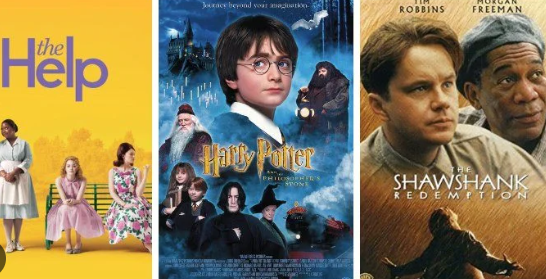
Adaptations of books into drama films can create significant buzz, drawing fans of the original material while attracting new audiences. This phenomenon showcases the power of storytelling in various formats and how they can resonate deeply with viewers. In this blog post, we’ll explore a selection of notable books that have made a successful transition to the big screen.
1. The Great Gatsby
F. Scott Fitzgerald’s “The Great Gatsby” has been adapted into several films, but the 2013 version directed by Baz Luhrmann stands out for its vibrant visual style and contemporary music. This adaptation brings to life the opulence and decadence of the 1920s, reframing Gatsby’s tragic story in a dazzling spectacle. The film stars Leonardo DiCaprio, Carey Mulligan, and Tobey Maguire, capturing the essence of the American Dream and the darker undercurrents that accompany it.
Luhrmann’s adaptation combines stunning visuals with a modern soundtrack, giving the narrative a fresh appeal to younger audiences while maintaining the core themes of love, ambition, and loss. The film was praised for its bold artistic choices and remains a favorite among those who appreciate both classic literature and modern cinematic techniques.
-
- Watch the 2013 adaptation to see how it compares to Fitzgerald’s original text.
-
- Take note of the character differences and their development in the film.
-
- Explore the historical context of the 1920s to better understand the themes.
-
- Join a book club to discuss both the novel and its film adaptation.
2. To Kill a Mockingbird
Harper Lee’s “To Kill a Mockingbird” is another classic that made waves with its 1962 film adaptation, featuring Gregory Peck as the iconic Atticus Finch. The narrative tackles serious themes such as racial injustice and moral growth, making it a poignant story that resonates to this day. The film was critically acclaimed and solidified its role in American cinema, presenting a haunting look at prejudice and the loss of innocence.
The literary richness of Lee’s text is complemented by the film’s powerful performances, particularly Peck’s portrayal of a principled lawyer fighting against the odds for justice. This adaptation is often used in educational settings to provoke discussions about ethics, empathy, and societal norms, making it timeless in both literature and film.
-
- Consider reading the book before or after watching the film to appreciate the differences.
-
- Engage in discussions about the historical context of the story.
-
- Reflect on the themes of morality and justice as they relate to today’s society.
-
- Explore adaptations in different cultural contexts for diverse perspectives.
3. The Fault in Our Stars
John Green’s “The Fault in Our Stars” is a heartfelt story of love and loss between two teenagers battling cancer. Adapted into a film in 2014, it captures the raw emotion and complexity of young love amidst adversity. Shailene Woodley and Ansel Elgort shine as Hazel and Gus, making the viewer feel every heartbeat and tear throughout their journey.
The film adaptation stays true to the novel’s message while also enhancing the visual experience through poignant cinematography and an evocative soundtrack. It not only appeals to fans of the book but also resonates with anyone who has experienced love, tragedy, or the challenges of life-threatening illness. It reminds audiences of the importance of living fully, regardless of circumstances.
-
- Watch the movie with tissues ready for the emotional scenes.
-
- Reflect on the portrayal of illness and relationships in both the book and film.
-
- Engage with others who have read the book to discuss differing opinions on adaptation.
-
- Consider reading other works by John Green for similar themes and styles.
4. The Shining
Stephen King’s “The Shining” is a cornerstone of horror literature that was adapted into a chilling film directed by Stanley Kubrick in 1980. While King himself was not entirely pleased with the adaptation, it has become a classic in its own right, featuring Jack Nicholson’s unforgettable performance as Jack Torrance. The film transforms the novel’s psychological horror into a visual feast of suspense and dread.
What makes “The Shining” stand out is Kubrick’s ability to maintain a tense atmosphere throughout the movie, using imagery and sound to enhance the horror elements. Although some fans argue about the deviations from the book, the film successfully captures the essence of isolation and madness, making it a significant cultural reference point in cinematic horror. Understanding both versions allows viewers to appreciate the different approaches to storytelling.
-
- Watch both the movie and read the book to identify key differences.
-
- Discuss the themes of isolation and psychological horror with fellow fans.
-
- Explore behind-the-scenes documentaries to learn about Kubrick’s creative choices.
-
- Try writing a comparison essay to analyze changes between the two formats.
5. The Perks of Being a Wallflower
Stephen Chbosky’s coming-of-age novel, “The Perks of Being a Wallflower,” was adapted into a film in 2012, retaining the heartfelt essence of the book. Featuring a stellar cast including Logan Lerman, Emma Watson, and Ezra Miller, the film beautifully captures the trials of teenage life, friendship, and mental health. Chbosky himself directed the film, ensuring that the adaptation remained true to the narrative’s core experience.
The film presents familiar struggles of adolescence while also encouraging discussions around mental health, making it relevant and relatable. It strikes a balance between humor and seriousness, resonating with audiences who appreciate authentic portrayals of growing up. As both a book and a film, it draws attention to the importance of connection and self-discovery during challenging times.
-
- View the film to spot how certain scenes were adapted from the book.
-
- Reflect on your own high school experiences as you watch.
-
- Consider writing your thoughts on the importance of friendship in your life.
-
- Join or start a support group to discuss themes that emerged in both narratives.
In conclusion, the journey from book to film offers a unique perspective on storytelling, allowing audiences to see familiar tales through different lenses. Whether you decide to read the books first or watch the adaptations, both experiences can deepen your understanding of timeless themes in literature and cinema. So grab your favorite book or queue up a captivating film, and embark on a new adventure today!