
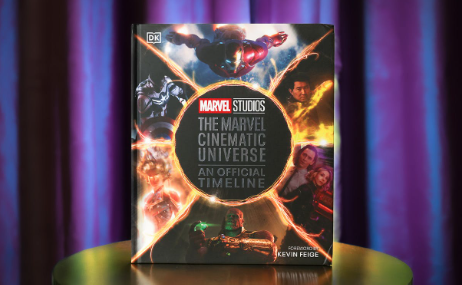
Books have the remarkable ability to transport readers into immersive worlds, and when adapted into films, they often expand into grand cinematic universes. From the pages of well-loved literature, film adaptations have emerged, creating franchises that captivate audiences and extend narratives across multiple platforms. In this post, we’ll explore the literary sources behind some of the most popular cinematic universes.
1. The Marvel Cinematic Universe
The Marvel Cinematic Universe (MCU) is perhaps one of the most iconic examples of a cinematic universe based on books, particularly comic books. The MCU began with “Iron Man” in 2008 and has since expanded to include numerous characters and storylines derived from decades of Marvel Comics. Characters like Spider-Man, Thor, and the Avengers are deeply rooted in the original comic book narratives, which creates a familiar foundation for fans and newcomers alike.
This cinematic universe showcases how source material can be transformed into a multilayered film experience. For instance, individual story arcs from comics are interwoven with shared character journeys, making audiences invested in multiple characters across different films. The meticulous attention to detail and character development in adaptations ensures that long-time fans feel honored, while new viewers can easily jump into the story.
-
- Keep track of new releases to explore characters you enjoy.
-
- Use comic books to explore the original storylines before viewing films.
-
- Join fan forums to discuss theories and character developments.
-
- Attend comic conventions for in-depth experiences with the franchise.
2. J.K. Rowling’s Wizarding World
The fantastical world created by J.K. Rowling in the “Harry Potter” series serves as a fantastic foundation for a sprawling cinematic universe. The original seven-book series chronicles the journey of Harry, Hermione, and Ron as they battle the dark forces led by Voldemort. Each book not only tells a compelling story but also enriches the lore, making the transition to films seamless and organic.
<p” Rowling’s Wizarding World has expanded beyond the original series with the “Fantastic Beasts” spinoff. This franchise not only delves into the past of beloved characters but also introduces new ones, allowing for an elaborate exploration of the wizarding universe. With stunning visuals and intricate world-building, the films attract both dedicated fans of the books and a new generation of viewers, keeping the magic alive.
-
- Read the books for deeper character and plot understanding.
-
- Engage with the fandom to share your love for the universe.
-
- Watch the films in order to capture the evolution of storylines.
-
- Explore the interactive features at parks like Universal Studios for a real-world experience.
3. John Ronald Reuel Tolkien’s Middle-earth
The works of J.R.R. Tolkien, especially “The Lord of the Rings” and “The Hobbit,” have laid the groundwork for a cinematic universe that has captivated millions around the world. The films, directed by Peter Jackson, have breathed life into the richly detailed landscapes, cultures, and histories that Tolkien meticulously crafted. The depth of the source material offers filmmakers a wealth of possibilities to create intricate and engaging narratives.
Beyond the original trilogy and “The Hobbit” films, Amazon Prime’s “The Lord of the Rings: The Rings of Power” has expanded the Middle-earth saga, exploring the Second Age of Tolkien’s universe. This expansion showcases how powerful literary adaptations can be in genuine world-building. Fans appreciate seeing beloved characters as well as the lore they had previously only read about.
-
- Study the Silmarillion for an enhanced understanding of lore.
-
- Join discussion groups focused on Tolkien’s works to deepen your analysis.
-
- Watch the behind-the-scenes content to understand filmmaking techniques.
-
- Explore fan art and literature to appreciate the creative expressions inspired by Tolkien’s world.
4. C.S. Lewis’s The Chronicles of Narnia
C.S. Lewis’s “The Chronicles of Narnia” has also made a substantial impact as a literary source for cinematic adaptations. The original series of seven books captivates readers with its themes of courage, adventure, and the battle between good and evil. The films, starting with “The Lion, the Witch and the Wardrobe,” have brought the enchanting world of Narnia to life on the big screen, showcasing rich visual storytelling.
The successful adaptations have reignited interest in Lewis’s works, leading to a renewed exploration of the original texts by both fans and new readers. The combination of fantastical creatures and moral lessons resonates across generations, making Narnia a lasting part of popular culture. The multiple adaptations also highlight how different interpretations can offer diverse perspectives on well-loved stories.
-
- Read the series chronologically for a coherent understanding of the narrative.
-
- Analyze characters and their development across the series.
-
- Explore different adaptations to see various interpretations of the same story.
-
- Participate in online communities to discuss themes and moral lessons.
5. The Works of Isaac Asimov
The science fiction genre owes much to Isaac Asimov, particularly his “Foundation” series and the “Robot” series. These works have laid the groundwork for numerous cinematic tales that explore complex themes of technology and humanity. Asimov’s ability to intertwine intelligent storytelling with science and philosophy has inspired filmmakers to explore futuristic concepts and ethical dilemmas.
Many films and television series draw inspiration from his intricate worlds, often adapting his ideas rather than his texts directly. For instance, the Apple TV+ series “Foundation” brings Asimov’s grand narratives of the rise and fall of empires to contemporary audiences, showcasing how older ideas can bring fresh perspectives in today’s moved storylines. His works invite readers and viewers to ponder their existence in a scientific realm, making them timeless.
-
- Research key themes in Asimov’s work for a deeper appreciation.
-
- Watch adaptations while keeping an eye on deviations from the source material.
-
- Participate in reading groups focusing on science fiction literature.
-
- Consider the societal implications of technology as portrayed in his works.
In conclusion, books that inspire cinematic universes offer rich narratives that enhance the viewing experience, connecting readers and audiences through shared themes and beloved characters. Whether it’s comic books, fantasy novels, or science fiction, each literary adaptation provides a unique adventure awaiting exploration. So grab your next book and dive into the world of storytelling!