
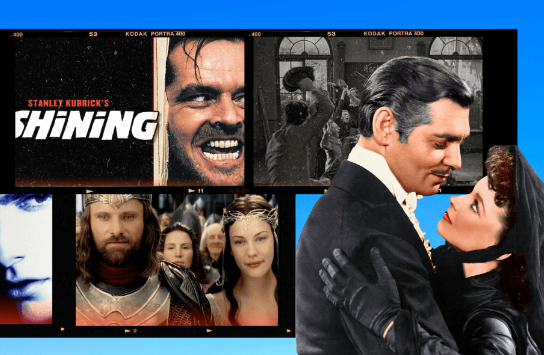
The allure of adaptation has drawn many famous actors into the realm of literature, transforming beloved books into cinematic experiences. Films based on books can capture the essence of storytelling and bring characters to life, often magnifying their impact thanks to star power.
1. The Great Gatsby: A Star-Studded Interpretation
F. Scott Fitzgerald’s classic novel, “The Great Gatsby,” has seen several adaptations, with the most recent one released in 2013 and starring Leonardo DiCaprio as the enigmatic Jay Gatsby. The film took viewers on a journey through the vibrant Roaring Twenties, showcasing opulence, love, and the pursuit of the American Dream. DiCaprio’s portrayal brought a depth that resonated with both fans of the book and new audiences alike.
Directed by Baz Luhrmann, this adaptation featured lavish visuals and a modern soundtrack that enhanced the story’s themes. Carey Mulligan’s performance as Daisy Buchanan added a compelling layer to the love story, capturing the character’s complexity and allure. The film not only revived interest in Fitzgerald’s work but also earned nominations for several Academy Awards.
-
- Read the novel first for a deeper understanding.
-
- Watch the movie with friends for a fun discussion.
-
- Pay attention to the film’s visual themes and music choices.
-
- Compare character interpretations between the book and film.
2. To Kill a Mockingbird: Timeless Lessons Through Cinema
“To Kill a Mockingbird” by Harper Lee is a poignant tale of racial injustice seen through the innocent eyes of a child. The film adaptation, released in 1962, featured Gregory Peck as Atticus Finch, a role that won him an Academy Award for Best Actor. His performance was emblematic of moral integrity, challenging audiences to confront themes of ethics and social justice regarding race in America.
The film remains celebrated for its faithful representation of the novel’s spirit and message. Notably, it tackled difficult issues while maintaining a focus on childhood innocence through the character of Scout, played by Mary Badham. The blend of powerful performances and impactful storytelling resonated with viewers and solidified its status as a classic in American cinema.
-
- Discuss the film’s themes with a group to gain different perspectives.
-
- Examine how Peck’s performance shapes your understanding of Atticus Finch.
-
- Reflect on how the film’s lessons apply to today’s society.
-
- Explore additional adaptations of Lee’s work for a broader view.
3. The Fault in Our Stars: Embracing Life and Love
John Green’s best-selling novel “The Fault in Our Stars” was brought to the big screen in 2014, with Shailene Woodley and Ansel Elgort playing Hazel Grace Lancaster and Augustus Waters, respectively. The story revolves around two teens navigating life and young love while battling cancer, offering a poignant view of how they embrace life’s fleeting moments. Their chemistry and performances made the film deeply emotional and relatable.
The success of the film highlighted the importance of storytelling in tackling serious subjects like illness, love, and loss. The screenplay did a commendable job retaining the novel’s wit and heartfelt moments while illustrating the characters’ inner struggles. The film not only appealed to young audiences but also sparked discussions about the realities of living with chronic illness.
-
- Consider the novel’s themes before watching to enhance your experience.
-
- Be prepared for an emotional rollercoaster, as the film is quite powerful.
-
- Engage in conversations about the message and impact of their story.
-
- Watch behind-the-scenes content to appreciate the adaptation process.
4. The Shining: A Chilling Transformation
Stephen King’s “The Shining” is another literary work that underwent a significant transformation on screen. Directed by Stanley Kubrick and released in 1980, the film starred Jack Nicholson as the psychologically troubled Jack Torrance. His iconic performance, especially the chilling line, “Here’s Johnny!”, remains ingrained in horror film history, altering the portrayal of psychological horror in cinema.
While the film deviates in some aspects from King’s original narrative, its atmospheric tension and Nicholson’s mesmerizing portrayal created a new standard for horror movies. The film’s haunting visuals and unnerving soundtrack also contributed to its cult status, making it a topic of discussion for both horror aficionados and scholars alike. Kubrick’s interpretation invites audiences to explore deeper meanings beyond just terror.
-
- Explore both the novel and the film to note differences.
-
- Analyze how Nicholson’s performance enhances the film’s horror elements.
-
- Discuss the symbolism evident in the film’s visuals.
-
- Engage in debates about the effectiveness of adaptations in horror.
These adaptations illustrate how literature can leap off the page and into our hearts, enriched by powerful performances from renowned actors. Whether you are a book lover, a movie buff, or both, these cinematic ventures provide opportunities to engage with classic stories in new ways. Consider exploring these adaptations, and perhaps take some time to read the original works for a fuller understanding of their narratives.