
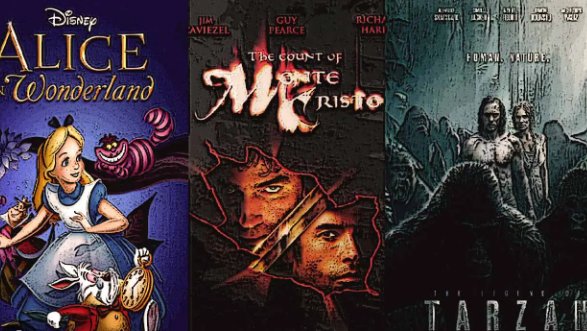
Books have the remarkable ability to transcend time and culture, often inspiring filmmakers to adapt their pages into cinematic narratives. Some stories have proven so timeless and engaging that they have been reinterpreted in multiple films across different eras. Here, we’ll explore several iconic books that have been adapted into films more than once, highlighting their unique cinematic journeys.
1. Pride and Prejudice
Jane Austen’s “Pride and Prejudice” is perhaps one of the most adapted literary works in film history. The novel, first published in 1813, has seen numerous adaptations, the most notable being the 1995 BBC miniseries, which starred Colin Firth as Mr. Darcy, and the 2005 film featuring Keira Knightley. Each adaptation brings a different interpretation of the characters and the storyline, with the miniseries often praised for its fidelity to the source material.
In addition to these mainstream adaptations, various modern retellings have emerged, such as “Bridget Jones’s Diary,” which spins the narrative into a contemporary setting while maintaining similar themes of love and societal expectations. This continuous reinvention speaks to the novel’s universal appeal and the societal issues that still resonate today.
-
- Watch the official adaptations to appreciate the differing interpretations.
-
- Read the book before watching the movies for a deeper understanding.
-
- Discuss the themes with friends after viewing for varied perspectives.
-
- Consider watching adaptations from different countries for unique flavors.
2. The Great Gatsby
F. Scott Fitzgerald’s “The Great Gatsby,” published in 1925, has been adapted several times, with the 1974 version starring Robert Redford and the 2013 adaptation directed by Baz Luhrmann featuring Leonardo DiCaprio being the most recognized. Each adaptation offers a different glimpse into the lavish yet tragic world of Jay Gatsby, a character that embodies the American Dream. The lavish visuals and iconic music of the 2013 version, for instance, add a modern twist to Fitzgerald’s vibrant narrative.
Both adaptations have sparked discussions about the themes of wealth, love, and social stratification depicted in the novel. They also highlight how cinematic technology and cultural values can influence storytelling, revealing Gatsby’s tragic flaws through both the opulence and the despair that surrounds him. This makes the book a fascinating case study in literature and film.
-
- Analyze the differences in character portrayals in each adaptation.
-
- Identify key scenes and how they are executed differently in film.
-
- Explore the social commentary present in the book and compare it with the films.
-
- Check out the soundtracks for both versions to appreciate thematic details.
3. A Christmas Carol
Charles Dickens’ timeless classic “A Christmas Carol,” first published in 1843, has been adapted into countless films and other media over the years. From the classic 1951 film featuring Alastair Sim to the animated version starring Jim Carrey in 2009, each adaptation brings a unique flair while retelling the story of Ebenezer Scrooge’s transformative journey. Notably, the variety of adaptations range from earnest dramas to comedic takes, showing how the essence of redemption can be delivered through different lenses.
What makes “A Christmas Carol” especially prolific in its adaptations is the moral flexibility of its themes, allowing filmmakers to reinterpret the story in various social contexts. For instance, some adaptations incorporate modern elements, such as Scrooge being a corporate CEO, relevant in today’s economic discussions. This adaptability ensures the story remains relevant for new generations, engaging audiences with its timeless message of compassion and generosity.
-
- Read various adaptations to appreciate the different storytelling techniques.
-
- Watch both live-action and animated versions to compare emotional impacts.
-
- Discuss how different historical contexts show evolution in themes.
-
- Consider attending live performances for a different perspective on the story.
4. Les Misérables
Victor Hugo’s “Les Misérables” has captivated audiences since its publication in 1862 with its profound exploration of justice, love, and redemption. The novel has been adapted into dozens of films, most notably the 1998 film starring Liam Neeson and the 2012 musical adaptation that gained critical acclaim. Each rendition provides a different portrayal of the characters and settings, reflecting the various interpretations that can stem from the source material.
Moreover, the musical adaptation highlighted the novel’s emotional depth, introducing the story to new audiences through powerful songs and moving performances. The contrasting styles of the film adaptations also showcase how music and visuals can work together to evoke profound emotions, making the story resonate on multiple levels.
-
- Listen to the musical’s soundtrack to appreciate its emotional weight.
-
- View multiple adaptations to see differing interpretations of key events.
-
- Engage with various analyses to deepen your understanding of themes.
-
- Consider joining a book club to discuss the adaptations and the original story.
5. The Jungle Book
Rudyard Kipling’s “The Jungle Book,” first published in 1894, has seen various adaptations, with Disney’s animated classic from 1967 and the live-action/CGI adaptation in 2016 being particularly popular. Disney’s versions are well-known for their musical numbers and vibrant character portrayals, which differ significantly from the darker themes present in Kipling’s original stories. The ability to adapt this story into various styles reflects its inherent flexibility and the power of storytelling to evolve.
The animated film emphasized entertainment and light-hearted adventure, while the live-action version reclaimed the complexity of Kipling’s themes, addressing issues of identity and survival. This duality in adaptations showcases how stories can be reinvented to align with cultural shifts and the changing expectations of audiences over the years.
-
- Compare the themes in the original book with the animated and live-action films.
-
- Explore the different character designs and their relevance to the story.
-
- Reflect on the portrayal of nature and animal rights across adaptations.
-
- Consider the impact of music on the storytelling in the animated version.
The adaptations of beloved books into films highlight both the power of storytelling and the fluidity of narrative interpretation. By diving into these adaptations, you can gain deeper insights into the original narratives and appreciate the diverse ways they can be experienced. So grab a book, watch the film, and engage with these timeless stories on a whole new level!