
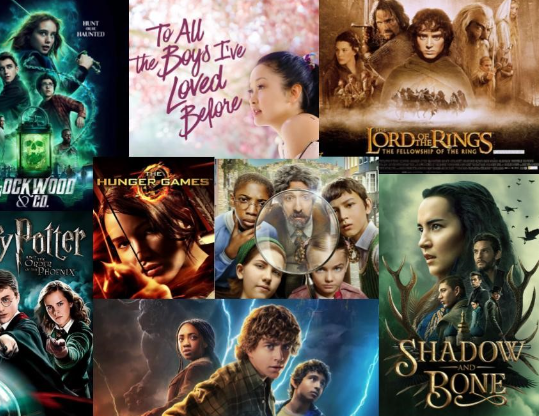
In the realm of storytelling, the transition from page to screen has been a captivating journey for audiences and filmmakers alike. Some narratives translate so perfectly from books to movies that they not only captivate their original readership but also gain new fans through cinematic adaptations. Here, we explore the best book-to-movie adaptations of all time, highlighting key elements that contribute to their success.
1. The Lord of the Rings Trilogy
J.R.R. Tolkien’s epic fantasy series was brought to life by director Peter Jackson in a stunning trilogy that redefined cinematic adaptations. The films, released between 2001 and 2003, capture the intricate world of Middle-earth with its rich lore and complex characters. Jackson’s attention to detail, from the breathtaking landscapes of New Zealand to the elaborate costume designs, immerses viewers in the story like never before.
Key performances from actors such as Ian McKellen (Gandalf) and Elijah Wood (Frodo) further enhance the narrative, making the viewer feel every joy and sorrow experienced by the characters. The movies not only honored the source material but also took artistic liberties that ultimately contributed to an engaging visual experience. The emotional depth of the films resonates with both fans of the books and newcomers alike.
-
- Experience the original story before watching the movies for deeper understanding.
-
- Take note of differences between the book and films – they often add unique nuances.
-
- Discuss major themes with friends after viewing, such as friendship and sacrifice.
-
- Explore fan theories online to gain different perspectives on the story elements.
2. To Kill a Mockingbird
Harper Lee’s classic novel, published in 1960, explores themes of racism and moral growth in the American South. The 1962 film adaptation, directed by Robert Mulligan, features Gregory Peck as Atticus Finch, whose portrayal is now considered iconic. The film sticks closely to the core message of the book while bringing it to life through powerful performances and striking visuals.
One of the most noteworthy elements of the adaptation is its ability to convey the book’s moral complexities on screen. The film does an exceptional job of highlighting the innocence of children against the backdrop of societal prejudice, which remains relevant today. The relationship between Atticus and his children, Scout and Jem, is beautifully depicted, making it a timeless piece that resonates across generations.
-
- Read the book to appreciate the deeper internal struggles of the characters.
-
- Pay attention to narrative devices used in the film that differ from the book.
-
- Engage with community discussions or book clubs that tackle the themes presented.
-
- Reflect on social issues then and now to enhance your viewing experience.
3. Harry Potter Series
The “Harry Potter” series, written by J.K. Rowling, became a cultural phenomenon, with its cinematic adaptations eagerly anticipated by fans worldwide. Spanning eight films released from 2001 to 2011, the series follows Harry Potter as he discovers his identity as a wizard and battles the dark forces of Voldemort. While the films do include some omissions from the books due to time constraints, they successfully capture the magical essence of Rowling’s world.
Each film encapsulates the growth of its characters, paralleling the themes of friendship, courage, and the struggle between good and evil. Particularly notable is how the casting brought beloved characters to life, with Daniel Radcliffe, Emma Watson, and Rupert Grint becoming synonymous with their roles. The attention to magical details through special effects and production design creates a visual spectacle that appeals to both fans of the books and casual viewers.
-
- Watch the movies cumulatively for a complete understanding of character development.
-
- Take notes on changes in character arcs between the book and movie.
-
- Participate in themed events or festivals for a more immersive experience.
-
- Explore additional literature related to the wizarding world for a broader context.
4. The Great Gatsby
F. Scott Fitzgerald’s “The Great Gatsby” explores themes of love, wealth, and the American Dream in the Jazz Age. The 2013 adaptation directed by Baz Luhrmann draws inspiration from the novel’s lush descriptions to create a visually stunning narrative. Leonardo DiCaprio’s portrayal of Jay Gatsby captures the character’s enigmatic charm and underlying sadness, making it a compelling watch.
The film’s 3D effects and vibrant soundtrack introduce Fitzgerald’s timeless narrative to a new generation. Luhrmann’s interpretation emphasizes the opulence of the era while showcasing the tragic facets of the human experience. The film provides a modern twist, reflecting contemporary issues that align with the story’s timeless themes, allowing both new and old fans of the book to appreciate its message.
-
- Revisit the book after watching for a deeper understanding of subtle nuances.
-
- Discuss the symbolism of the green light and its relevance with friends.
-
- Look for hidden Easter eggs and references in the film that connect to the book.
-
- Analyze the social issues portrayed and their modern-day parallels.
In conclusion, the transition from book to movie can lead to some truly remarkable adaptations that resonate with audiences on various levels. Whether it’s the rich world-building of “The Lord of the Rings” or the poignant themes in “To Kill a Mockingbird,” these adaptations not only capture the essence of their source material but also inspire discussions about deeper societal issues. So grab a book and a movie, and dive into these extraordinary stories that have been reimagined for the screen!