
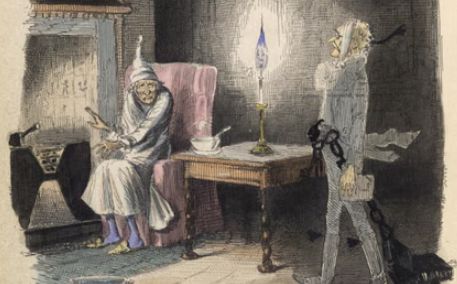
Charles Dickens remains one of the most celebrated authors in literature, largely due to his remarkable ability to intertwine entertainment with sharp social critique. His novels not only captivate readers with vivid characters and intricate plots but also challenge societal norms and raise moral questions. Understanding how Dickens achieved this balance can offer valuable insights into literary techniques and the importance of storytelling.
1. The Power of Humor and Satire
Dickens skillfully utilized humor and satire to engage his audience while critiquing society’s shortcomings. His use of witty dialogue and absurd situations allowed readers to laugh at the follies of his characters, making the critical messages more palatable. For instance, in “The Pickwick Papers,” the absurdities of society are highlighted through comedic encounters, which distract from the grim realities of the time.
This comedic element serves a dual purpose. While it entertains, it also invites readers to reflect on deeper issues such as class disparity and social injustice. By making readers laugh, Dickens lowered their defenses and opened their minds to serious topics without overwhelming them.
-
- Look for humor in difficult subjects.
-
- Incorporate absurd characters to exaggerate faults.
-
- Use witty dialogue to keep the tone light.
-
- Balance serious themes with comedic relief.
2. Vivid Characterization and Relatable Struggles
Dickens’ characters are often larger-than-life yet incredibly relatable. He developed complex personalities, each representing various societal issues, which allowed readers to empathize deeply. Take, for example, the character of Oliver Twist, a young orphan who faces unimaginable hardship. Readers can’t help but feel compassion for his plight, driving home the critique of the Victorian social system that neglected the vulnerable.
This emotional investment is crucial for Dickens’ social commentary. When readers connect with characters, they’re more likely to absorb the underlying messages about poverty, crime, and injustice. Through their struggles and triumphs, readers are encouraged to reflect on their own lives and society’s failures.
-
- Create multi-dimensional characters with flaws and virtues.
-
- Use relatable challenges to evoke empathy.
-
- Incorporate real-life dilemmas to deepen emotional connections.
-
- Show characters evolving through their experiences.
3. Symbolism and Imagery
Dickens employed rich symbolism and imagery to enhance both the entertainment value and the critique in his works. For instance, in “A Tale of Two Cities,” the recurring motifs of light and darkness symbolize the extremes of hope and despair prevalent during the French Revolution. This artistic layering not only adds depth to the narrative but also invites readers to think critically about the implications of these symbols.
The use of vivid imagery helps to create memorable scenes that stick with readers long after they finish a book. Such imagery allows them to visualize the injustices depicted and fosters a greater understanding of the complex social issues Dickens sought to address.
-
- Identify key themes to develop strong symbols.
-
- Use descriptive language to create vivid images.
-
- Layer symbolism to enhance narrative depth.
-
- Engage readers’ senses to make scenes more impactful.
4. Engaging Plot Twists and Cliffhangers
The excitement of Dickens’ plots often comes from unexpected turns and cliffhangers that keep readers engaged. By incorporating dramatic twists, he not only enhances entertainment value but also underscores critical social themes. For instance, in “Great Expectations,” the revelation of Estella’s origins serves as a poignant commentary on class and societal expectations.
These twists ensure that readers remain invested in the story while reflecting on its broader implications. By maintaining a gripping narrative pace, Dickens effectively balances the lighter elements of storytelling with the heavier themes of social criticism.
-
- Plan for unexpected twists to maintain suspense.
-
- Ensure twists are rooted in character motivation.
-
- Use cliffhangers to leave readers eager for more.
-
- Balance dramatic events with focused critique.
5. Layered Narratives and Interwoven Themes
Many of Dickens’ novels feature multiple plotlines and interwoven themes that enrich the overall message. For example, in “David Copperfield,” various character arcs intersect and reflect different aspects of Victorian society, from child labor to marriage dynamics. This layered storytelling allows Dickens to present a comprehensive critique without being overly direct.
The complexity of these narratives invites readers to explore various facets of society, encouraging critical thinking about the interrelated issues. By using multiple perspectives, Dickens effectively communicates that social challenges are often multifaceted, requiring deeper consideration.
-
- Develop subplots that complement the main narrative.
-
- Ensure themes are interrelated for cohesive storytelling.
-
- Encourage readers to draw connections between characters.
-
- Create space for nuanced discussions in the narrative.
In conclusion, Charles Dickens’ unique ability to blend entertainment with social critique is a testament to his literary genius. By employing humor, relatable characters, vivid imagery, engaging plot twists, and layered narratives, he invites readers to reflect on the intricate issues of society while enjoying an immersive storytelling experience. Explore these techniques in your writing to create impactful narratives that resonate on multiple levels.