
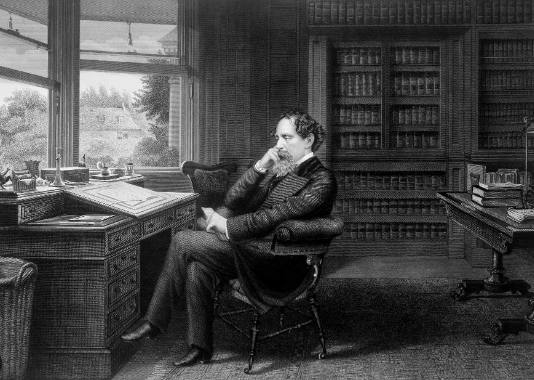
Emotional storytelling is an art that is vividly portrayed in the works of Charles Dickens. Known for his ability to invoke a wide range of emotions from his readers, Dickens masterfully creates characters and situations that resonate deeply. This blog post explores the emotional storytelling techniques used by Dickens and how they contribute to the lasting impact of his literary works.
1. Character Development: Creating Relatable Figures
One of the hallmarks of Dickens’s writing is his intricate character development. He populates his narratives with richly detailed characters that embody a wide array of human emotions and struggles. For example, in “A Christmas Carol,” the transformation of Ebenezer Scrooge from a miser to a caring individual serves to evoke empathy and hope in readers. Dickens’s characters are designed to be multifaceted, allowing readers to connect with their joys and sorrows on a personal level.
Moreover, Dickens often utilizes extreme circumstances to deepen the emotional impact on readers. In “Oliver Twist,” the plight of an orphan navigating a harsh world generates feelings of compassion and outrage. By placing his characters in challenging situations, Dickens amplifies their emotional journeys, making them relatable to a broader audience. This technique connects the reader to the emotional core of the story, ensuring they invest both intellectually and emotionally.
-
- Identify key emotional moments in your characters’ arcs.
-
- Develop unique backstories that explain their motivations.
-
- Create relatable flaws that make characters human.
-
- Consider how environments affect your characters’ emotions.
-
- Utilize dialogue to reveal emotions effectively.
2. The Use of Setting: Emphasizing Emotional Context
In Dickens’s works, the settings are not merely backdrops but active participants in the emotional landscape. Each locale serves a purpose, whether it evokes despair, joy, or nostalgia. Take “Great Expectations,” where the grim marshes symbolize Pip’s struggles and fears, contrasting sharply with the luxurious Satis House, which represents unfulfilled dreams and aspirations. This stark difference deepens the emotional experience for the reader, providing a vivid context in which characters operate.
Additionally, Dickens’s portrayal of social conditions enhances the emotional weight of his narratives. The depiction of industrial London in “Hard Times” transports readers into a world of contrast between the wealthy and the poor, instigating feelings of injustice. The harsh realities of life faced by his characters urge readers to reflect on societal issues, fostering a sense of emotional engagement and urgency to advocate for change.
-
- Incorporate settings that reflect characters’ internal worlds.
-
- Use descriptive language to evoke sensory details.
-
- Create symbolic places that enhance themes and emotions.
-
- Consider how temporal elements (time of day, season) affect mood.
-
- Show characters interacting with their environments to enrich emotional depth.
3. Crafting Emotional Climaxes: Building to a Heartfelt Payoff
Dickens excels at crafting climactic moments that deliver emotional payoffs to readers. He often builds tension through intricate plotting, leading to moments that are both beautiful and heartbreaking. In “David Copperfield,” for instance, the tension mounts as David faces numerous challenges in his relationships and career, culminating in poignant moments that resonate deeply with readers. The climactic resolutions often provide catharsis, allowing readers to breathe with relief or mourn with sadness as they experience the emotional release.
Moreover, Dickens utilizes foreshadowing and suspense to keep readers emotionally invested. The slow reveal of information about a character’s fate or a pivotal event creates an atmosphere filled with anticipation and anxiety. This technique ensures that climaxes are not just surprising but also profoundly satisfying on an emotional level, making readers feel as though they’ve shared a journey with the characters.
-
- Plan the emotional arc of your story carefully.
-
- Use pacing effectively to build suspense.
-
- Include recurring motifs or themes to add depth.
-
- Implement surprises that remain consistent with character behavior.
-
- Allow for moments of introspection leading to the climax.
4. The Role of Dialogue: Conveying Raw Emotion
Dialogue in Dickens’s works serves as a powerful tool for conveying emotions compellingly and authentically. His characters engage in conversations that reveal not only their intentions but also their fears, desires, and vulnerabilities. For example, the exchanges between characters in “Bleak House” expose the emotional turmoil of individuals entangled in a tedious legal battle, amplifying the reader’s feelings of frustration and empathy.
Moreover, Dickens masterfully employs dialect and speech patterns to bring authenticity to his characters. This approach enables readers to understand the social class and backgrounds of individuals, adding layers of emotional complexity. By using dialogue as a means of emotional expression, Dickens allows readers to feel the weight of each character’s situation and experience the narrative on a deeper level.
-
- Create distinct voices for different characters.
-
- Use dialogue to reveal underlying emotions rather than stating them outright.
-
- Incorporate interruptions or overlaps to create tension in conversations.
-
- Reflect characters’ backgrounds through their speech patterns.
-
- Utilize silence or pauses to heighten emotional impacts.
In conclusion, Charles Dickens’s talent for emotional storytelling is a combination of character depth, evocative settings, heart-pounding climaxes, and impactful dialogue. His mastery invites readers not only to witness but to feel and engage with the emotional journeys of his characters. As you explore Dickens’s works further, consider how these techniques can enhance your own storytelling abilities and foster deeper connections with the narratives you create.