
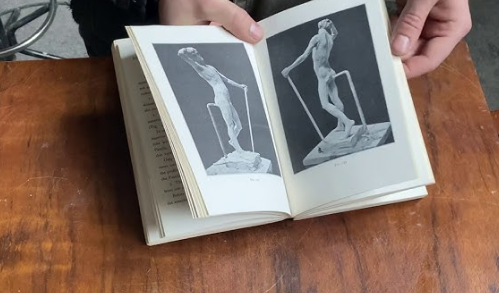
Modelling and Sculpting the Human Figure is widely regarded as a foundational text for artists who seek a deeper understanding of the human form through sculpture. Rather than offering superficial guidance, the book takes a disciplined and methodical approach, guiding readers through the structural logic behind realistic figure modeling.
A Structured Approach to Figure Sculpture
One of the book’s greatest strengths lies in its clear progression. It begins with simplified forms and proportions before gradually introducing anatomical complexity. This layered teaching method allows beginners to build confidence while also providing experienced sculptors with a reliable framework for refining technique. The emphasis is not on copying finished figures, but on understanding how the body is constructed beneath the surface.
Bridging Art and Anatomy
Unlike many anatomy books that overwhelm readers with medical terminology, this book translates anatomy into sculptural language. Muscles, bones, and joints are explained in terms of volume, tension, and movement—concepts that are directly applicable when working with clay, wax, or digital sculpting tools. This makes the book especially useful for sculptors who learn best through form rather than theory alone.
Practical Value for Studio Practice
The book consistently encourages hands-on application. Readers are prompted to sculpt alongside the lessons, reinforcing observation and problem-solving rather than passive reading. This practical orientation makes it suitable for long-term studio reference rather than a one-time read.
Overall Assessment
As a book review, Modelling and Sculpting the Human Figure stands out for its clarity, depth, and lasting relevance. It rewards careful study and repeated consultation, making it a valuable addition to any sculptor’s library. For artists serious about mastering the human figure, this book offers both technical rigor and artistic insight.